
Every summer the same handful of build styles show up across van life forums and Facebook groups, and this year there’s one real shift worth talking about: people are spending less and getting more out of it. Not because materials got cheaper. Because builders finally figured out which parts of a conversion actually matter and which ones were just trends with good lighting in the photos.
I’ve been tracking builds posted in van life communities since spring, and a few patterns keep repeating. Some of them are smart. A couple of them are going to cost people money they didn’t need to spend.
1. The $3,000 “Get It Done” Build Is Having a Moment
For years the assumption was that a “real” van build needed a finished interior, matching cabinetry, and a budget north of $15,000. That assumption is cracking. A lot of builders this summer are skipping the polish entirely and going straight for function: a platform bed, basic insulation, one power source, and storage that doesn’t fall apart on washboard roads.
It’s not laziness. It’s that people watched friends sink six months and a small fortune into a build before ever sleeping in the van once, and decided that wasn’t going to be them.
If you’re working with a tight number, our guide on what you actually need for a van build under $5,000 breaks down where that money should go first. Bed and insulation, basically always. Cabinetry and trim, basically never, at least not yet.
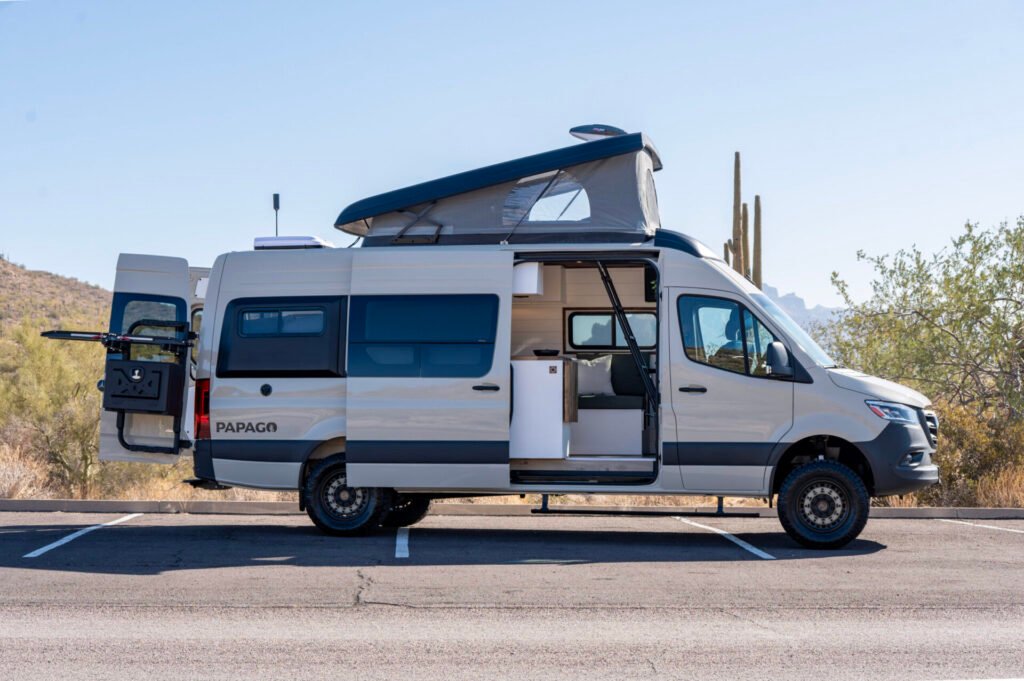
2. Solar-First Builds Are Replacing Generator Setups
This one’s been building for a couple of years but it’s hit a tipping point this summer. Fewer new builds include a generator at all. Most people are going straight to a small solar setup, sometimes nothing more than a 100-watt panel and a portable power station, and skipping the noise, the fuel costs, and the awkward conversation with a campground neighbor at 6am.
It helps that solar components have gotten cheaper and more plug-and-play than they were even two years ago. You genuinely don’t need an electrical background to wire a basic system anymore. We’ve covered this in detail in our piece on a DIY van solar setup for under $300, and the comments on that post are honestly more useful than the article itself at this point, people sharing exactly what they bought and what broke.
Here’s where people usually go wrong with solar, though: they oversize the system for a power need they don’t actually have. A laptop, a phone, a small fridge, and some lighting does not require 400 watts of panels and a 200ah battery bank. That’s a $1,500 mistake waiting to happen.
3. The Stealth-Cargo-Van Trend Nobody Saw Coming
A few years ago everyone wanted windows. Big ones, lots of them, for the light and the views. This summer there’s a quiet counter-trend toward unmarked cargo vans with little to no exterior modification at all. No roof rack, no window cutouts, nothing that says “someone lives in this.”
Part of it is privacy. Part of it is parking. A plain white cargo van blends into a hospital parking lot, a Walmart lot, a quiet residential street, in a way that a van with a kayak rack and curtains never will. Builders who care about overnight parking flexibility are choosing boring on purpose.
This trades off against comfort, and that’s worth being honest about. Less natural light and less ventilation if you’re not careful with vent placement. But for people prioritizing stealth over aesthetics, it’s a real and growing category, and one I expect to keep growing through the rest of the year.
4. Where Most New Builders Blow Their Budget
I’ll say this plainly because it comes up constantly. Most people who overspend on a van build don’t overspend on the big stuff. They overspend on a string of small decisions that each felt reasonable in the moment.
A nicer faucet here. A slightly better fan there. Custom-cut countertops instead of a piece of plywood with edge banding. None of these decisions are wrong exactly, they’re just expensive in aggregate, and they rarely show up in anyone’s “what I spent” YouTube video because nobody wants to admit the $400 they spent on cabinet hardware.
| Build Tier | Typical Cost Range | What You Get | What You Skip |
|---|---|---|---|
| Bare Minimum | $1,500–$3,000 | Bed platform, basic insulation, single battery | Plumbing, cabinetry, finished walls |
| Functional Budget | $4,000–$7,000 | Solar, small fridge, basic electrical, simple storage | Custom woodwork, full kitchen |
| Mid-Range | $8,000–$15,000 | Finished interior, water system, proper electrical | Luxury fixtures, professional install |
| Full Custom | $20,000+ | Professional build, premium materials, full systems | Nothing, but you’ll pay for it |
And that table is roughly where most of the builds I’ve seen posted this summer actually land. Functional Budget is the sweet spot for people who want to actually use the van rather than just admire it.
If you want a clearer side-by-side of what changes as you move up tiers, our breakdown on cheap versus expensive van builds goes into more detail than I have room for here.
5. What’s Actually Worth Spending On This Summer
If I had to pick the two things worth genuinely investing in, even on a tight budget, it would be insulation and a proper roof vent. Both of these are invisible in photos and both of them determine whether your build is livable in actual heat, which, given that we’re talking about summer builds, matters more than almost anything else on this list.
A cheap fan moves air. A good fan, installed correctly, changes the entire experience of being in the van during a 95 degree afternoon. It’s not glamorous advice but it’s the kind of thing that separates a build someone actually lives in from one that gets listed on Facebook Marketplace four months later.
For people comparing finished build inspiration before they start their own, our roundup of the best budget van builds of 2026 has a decent cross-section of what real people, not influencers, have actually put together this year.
We see this pattern a lot at Budget Van Journeys: the builds that get finished and actually used tend to be the ones that started simple and added complexity later, not the other way around.
A quick side note, because it comes up in nearly every conversation I have about this. People ask whether they should buy new tools for a build or borrow them. Borrow them, or rent them for a weekend if you don’t have a friend with a table saw. You will not need most of these tools again for years, and the money saved is better put toward insulation or the solar setup. Anyway, back to the main point.
There isn’t really a clean way to wrap this up, because the trends will keep shifting as people figure out what actually works versus what just photographs well. If you’re starting a build this summer, the honest advice is to spend on what keeps you comfortable in heat and cold, skip what’s purely cosmetic until the van is actually livable, and don’t let a YouTube build video convince you that you need a feature you’ve never once needed in real life.
FAQs
Do I need solar if I’m only doing weekend trips? Probably not a full system. A portable power station charged from your vehicle outlet covers most weekend needs without the installation work or cost of a permanent solar setup.
What’s the single biggest mistake first-time builders make? Starting with cosmetics, cabinetry, paint, trim, before solving insulation and ventilation. The van looks great and is miserable to actually sleep in during extreme weather.
Is a cargo van or a converted minivan better for a budget build? Cargo vans give you more build flexibility and standing height in most cases, but minivans are cheaper to buy, get better fuel economy, and are easier to park and maintain. It depends more on your travel style than your budget.
How long does a basic budget build actually take? Most functional budget builds, the $4,000 to $7,000 tier, take four to eight weekends if you’re doing the work yourself without prior experience. Rushing this stage is usually where mistakes happen.
Can I build a livable van for under $2,000? Yes, but it requires real discipline about what you skip. Bed platform, basic insulation, and one power source covers the essentials. Everything past that is a tradeoff against your budget.
If you’re putting together your own build list this summer, our guide on common van life budget mistakes is worth a read before you order any materials.