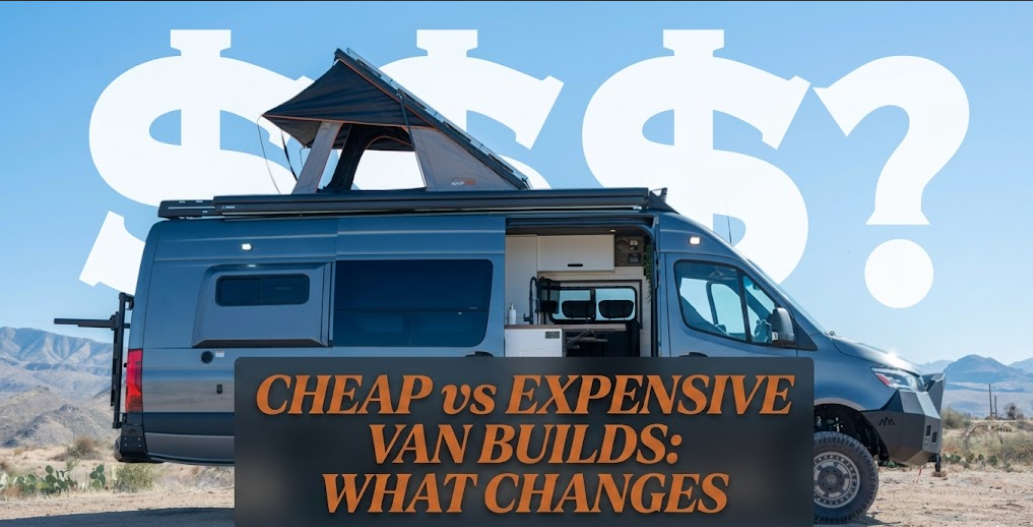
The gap between a £2,000 van build and a £20,000 one is not where most people think it is.
I’ve talked to enough van builders, and covered enough on Budget Van Journeys, to know exactly where the confusion starts. People look at the high-end conversion accounts on Instagram, compare them to what they can afford, and decide they’re building something lesser. A compromise. Something they’ll regret once they can finally “do it properly.”
That’s not really how this works.
What changes as the budget climbs is specific. Some of it actually matters for daily life. Some of it is pure aesthetics with a premium price tag attached. And there are a handful of decisions at any budget level that determine whether a build is liveable or not, and they’re mostly not the ones people spend the most time agonising over.
So let me walk through what actually shifts, category by category, and be clear about where spending more is worth it and where it isn’t.
1. The Build Breakdown Nobody Shows You
Before anything else, a rough picture of where the money goes across different spend levels. These are UK-based figures, but the proportions hold reasonably well across markets.
| Build Element | Budget Build (under £5,000) | Mid-Range (£5,000–£15,000) | High-End (£15,000+) |
|---|---|---|---|
| Insulation | Foam board or budget batts | Thinsulate or Rockwool with vapour barrier | Full thermal break, blown-in or spray foam |
| Electrical | 1–2 leisure batteries, basic wiring | 100Ah AGM + 100–200W solar + inverter | 200Ah+ lithium, 400W+ solar, quality MPPT controller |
| Heating | None, or a basic gas heater | Budget diesel heater (Vevor/Hcalory) | Premium diesel heater (Webasto/Espar), sometimes underfloor |
| Water | Gravity tap, cold only | 12V pump, cold water tank | 12V pump, hot water system, undersink tank |
| Bed | Foam mattress on plywood base | Memory foam on fixed or hinged frame | Custom fixed bed, quality mattress, integrated storage underneath |
| Ventilation | Basic roof vent, no powered fan | Maxxair or similar powered fan | Dometic FanTastic or equivalent |
| Finish | Raw ply, basic shelving | Wood panelling, fitted units | Custom cabinetry, integrated lighting, quality fixtures |
Looking at that table, the most expensive elements at the high end are the electrical system and the finish quality. The functional gap between a budget build and an expensive one is mostly about electrics, heating reliability, and water systems. Everything else is comfort, convenience, or looks.
Worth keeping in mind before we go any further.
2. What Budget Builds Actually Get Right
Quite a lot, it turns out.
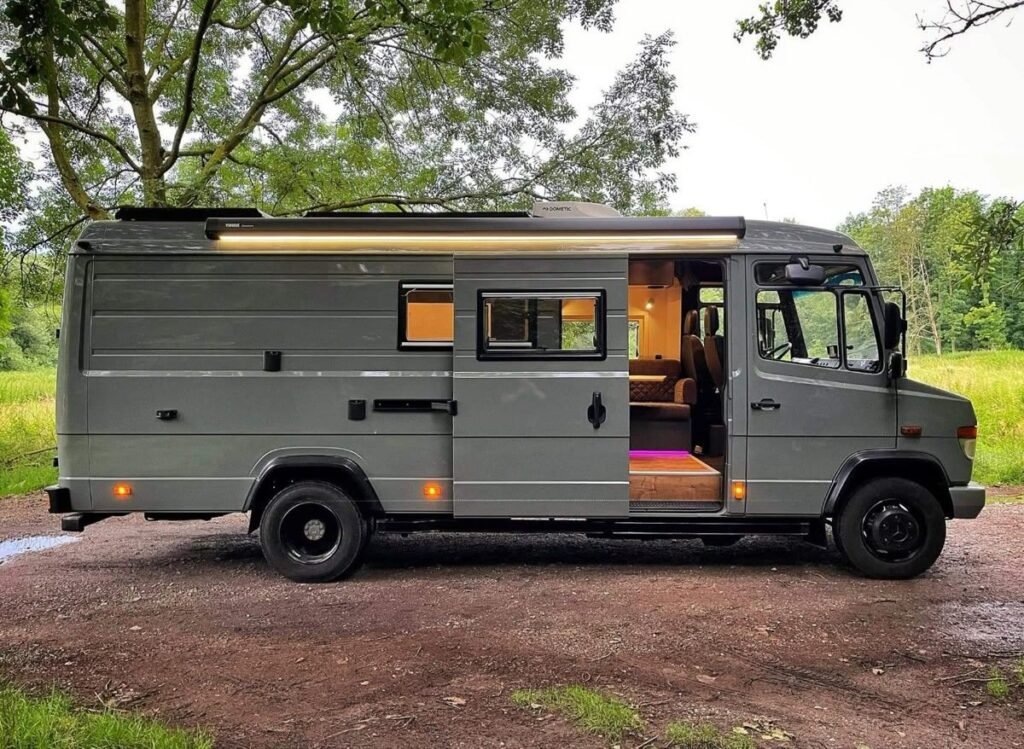
The fundamentals of van living don’t require luxury materials. You need to sleep, cook, store your things, charge your devices, and stay warm. A well-planned budget build handles all of that. The question is what comfort you’re trading off for the savings, and for a lot of people, the answer is: not much.
Where budget builds tend to outperform expectations is in weight and simplicity. Fewer fitted units means fewer things to break. A foam mattress on a plywood platform still lets you sleep. A single leisure battery wired to a solar panel still charges a phone, runs LED lights, and powers a 12V fan through most of the year without issue.
I’ve come across £2,000 builds that were well-considered and perfectly liveable, and £20,000 builds that were miserable to sleep in because the person who built them got the insulation wrong. Budget doesn’t determine quality, execution does, and so does the order in which decisions get made.
The area where budget builds most consistently fall short is thermal performance. Cheap insulation installed carelessly creates cold bridges, and condensation sits on the metal van body in winter because there’s no proper vapour control. By February you’re wearing three layers inside and wondering what went wrong. This is the one category where stretching the budget slightly is worth it regardless of what else you’re spending. Thinsulate doesn’t require a separate vapour barrier the way mineral wool does, it’s easier to work with in awkward van shapes, and it’s not dramatically more expensive than basic batts. Getting that layer right during the initial build costs far less than pulling the walls off six months later because the ply is rotting from the inside.
The other thing budget builders often skip is a proper fuse board. People wire everything directly to the battery with inline fuses and it works, technically. But it makes fault-finding difficult, and it creates the kind of electrical gremlins that are nearly impossible to trace. A basic consumer unit adds maybe £40–60 to a build. It’s worth it.
3. Where the Extra Money Actually Goes
Some of what you’re paying for in a high-end build is functionally better. Worth being honest about that.
Lithium batteries let you draw 80–100% of their stated capacity without damaging the cells. An AGM battery is typically safe to around 50% before you start shortening its lifespan. So a 100Ah lithium outperforms a 100Ah AGM in real daily use, and it lasts two to three times longer. For someone living in a van full-time and relying on battery power for work, the cost difference makes economic sense over several years, even though the upfront price is significantly higher.
Premium diesel heaters like Webasto units are quieter than their budget Chinese counterparts and have better cold-start performance below around -10°C. For most UK and European winters, a Vevor or Hcalory diesel heater performs absolutely fine. But if you’re doing high-altitude trips in January or extended time in Scandinavia, the reliability gap between budget and premium becomes real.
Dometic and Maxxair fans do pull more air than generic alternatives. Some have rain sensors, variable speed settings, and remote controls. Whether that’s worth an extra £300 compared to a basic roof vent depends entirely on your climate and how much those conveniences matter to you.
But then there’s a substantial chunk of expensive build costs that comes down to looks. Custom tongue-and-groove cabinetry looks striking. It also weighs more, costs considerably more to build or have built, and doesn’t keep you warmer or cooler or drier than a well-fitted plywood equivalent. The same goes for quartz-effect worktops, integrated LED accent lighting, and powder-coated metal fixtures. People see those builds on Instagram and start to believe that’s what van living is supposed to look like, and then feel like their raw-ply build is somehow not enough. It isn’t.
Budget Van Journeys has made exactly this point before: the aesthetics of expensive conversions have become the aspirational benchmark for van living, even though those things have almost nothing to do with how enjoyable or functional the lifestyle actually is on a day-to-day basis.
4. The Decisions That Separate Good Builds from Regrettable Ones
And this is where people go wrong regardless of budget level.
The single most common mistake in budget builds is spending money on appearance before sorting the systems. Someone will buy reclaimed pine for the wall panelling before the electrics are figured out. They’ll spend a full weekend painting the exterior before sealing the floor against moisture ingress. Aesthetics feel immediately rewarding because you can see the result. Practical systems are invisible when they’re working, which is most of the time. But you’ll regret the beautiful pine walls far more in a cold, damp, poorly-wired van than you’ll enjoy them in one that’s warm and dry.
In expensive builds, the equivalent mistake is commissioning a professional conversion without specifying what your actual daily life in the van looks like. A lot of conversion companies build what photographs well, not necessarily what works for how a specific person intends to live. A remote worker who needs consistent power for a laptop and external monitor for eight hours a day has completely different electrical requirements from someone doing weekend camping trips who mostly wants a comfortable bed and a camp stove. A 400W solar array and 300Ah lithium bank is over-engineered for the second scenario and potentially still insufficient for the first.
Before spending anything, it’s worth sitting down with a realistic picture of what a 24-hour period in the van actually looks like. Where do you park most often? How frequently do you move? What’s the coldest temperature you’re likely to sleep in? Do you shower daily or are you working with gym memberships and wet wipes? Answering those questions honestly shapes where the budget should go far better than looking at what other people have built.
Budget Van Journeys focuses on that practical side of things, real decisions that real people are making rather than curated conversions with a professional photographer and a sponsor. The variance in what works is enormous. A retired couple doing slow travel across Spain has entirely different needs from a freelancer doing two-week stints at different spots across Europe, even if they’re both in the same model of van.
One other thing worth mentioning here. People consistently underestimate how much the base vehicle costs eat into the overall build budget. A Sprinter in good mechanical condition costs significantly more than a Transit or a Trafic, and if £12,000 has gone on the van itself, the conversion has to work within whatever remains. Sometimes the smarter call is a less prestigious base vehicle and a better conversion. A van that develops mechanical problems on the A303 is not a good van, regardless of how nice the fitted kitchen looks.
FAQs
Can you live full-time in a budget van build?
Yes, and plenty of people do it well. The key is putting the limited budget into the right systems: insulation, electrics, and heating before anything cosmetic. A full-time liveaboard doesn’t need custom cabinetry. They need to be reliably warm in January and have enough battery capacity to charge their devices and run a diesel heater overnight.
How much should I realistically budget for a van build?
For a basic but functional build that covers the essentials, £1,500–£3,000 is achievable with DIY labour and sourcing secondhand where possible. A comfortable mid-range setup with solar, a diesel heater, and a 12V water pump typically lands around £5,000–£8,000 in parts. Professional full conversions with quality materials start around £15,000 and climb considerably from there, often to £30,000–£50,000 for custom coachbuilt-style work.
Is a diesel heater worth it on a budget build?
Almost always, yes. The budget Chinese diesel heaters (Vevor, Hcalory, and similar) cost £100–£180 and run significantly cheaper per hour than gas or electric alternatives. For UK winters, they’re more than adequate. The premium brands matter mainly in very low temperatures, below around -10°C, or if noise in a quiet campsite is a specific concern for you.
What’s the biggest mistake people make when building on a tight budget?
Skimping on insulation. It’s the hardest element to redo once the wall panels and ceiling lining are installed. Spending an extra £100–£200 on better insulation during the build costs considerably less than pulling everything apart six months later because condensation has warped the ply or mould is building up behind the panels. Get the thermal layer right first, then worry about everything else.
Do expensive van builds hold their resale value?
Custom builds often don’t, because a conversion built around one person’s specific lifestyle and preferences is a harder sell to the next buyer. A build with an integrated twin-bunk layout and a built-in workbench appeals to a narrow audience. Simpler, more adaptable conversions tend to resell more easily. If future resale matters to you, keep the conversion reasonably neutral and photograph and document the work carefully as you go.