
My first van build cost me almost $9,000, and I regretted about $6,000 of it within the first month on the road. I’d put in a fold-out couch system I never used, a water heater that drained my battery dry twice, and cabinetry that looked great in photos and cracked the first time I hit a pothole outside Flagstaff. I tell people this not because it’s a fun story, but because it’s the most useful thing I can teach you before you spend a single dollar on your own build.
Budget van builds in 2026 look different than they did even three years ago. Materials cost more, solar gear has gotten cheaper and better at the same time, and there’s a lot more bad advice floating around from people who built one van, posted it on Instagram, and now sell “build guides.” So let’s skip the noise and look at what three different budget tiers actually buy you, what each one is genuinely good for, and where people waste money at every single level.
1. The Bare Bones Build, Under $1,500
This is the build most people start with and a fair number of people never leave, which surprises folks who assume more money always means a better van.
At this budget, you’re working with a plywood platform bed, foam insulation in the easy-to-reach panels, a couple of fans, a cooler instead of a fridge, and lighting run off a cheap deep-cycle battery charged from your alternator. No shower, no toilet setup beyond a bucket or a portable option, and almost no cabinetry beyond a few stackable bins.
It works. It genuinely works for short trips, warm climates, and people who aren’t planning to live in the van full time. Where it falls apart is insulation. A lot of first builders skimp here because it’s invisible once the walls go up, and then they’re miserable the first cold night. If you only spend money on one thing at this tier, spend it there. We went into more detail on exactly why budget insulation jobs fail in cold weather over on why your van insulation fails in cold weather, and it’s worth a read before you cut a single panel.
One thing nobody tells beginners: you don’t need a finished interior to be functional. Bare metal walls with good insulation behind a thin paneling layer will keep you warmer than a fully finished van with insulation gaps you can’t see.
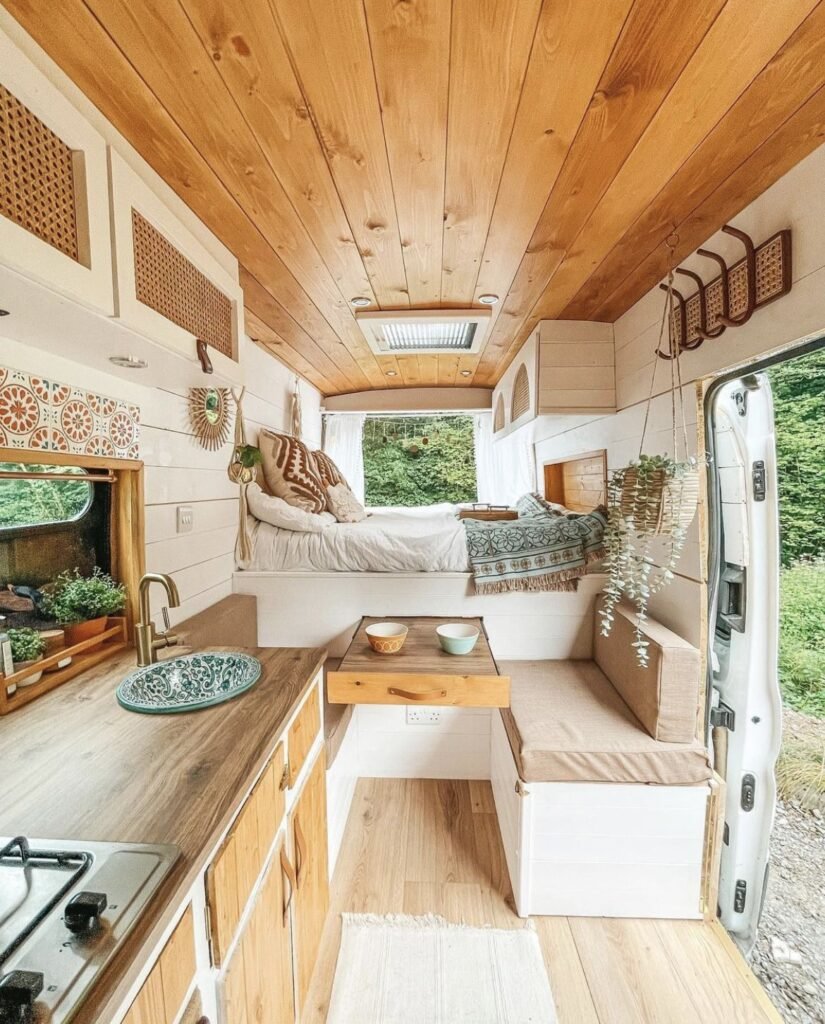
2. The Sensible Middle, Roughly $3,000 to $5,000
This is where most long-term budget vanlifers actually land, and it’s the tier I’d point a friend toward if they asked me today.
At this range you can add a small solar setup, real insulation in every panel including the floor, a proper bed platform with storage underneath, a single-burner cook setup, and basic electrical that doesn’t require you to think about it constantly. This is also where a fridge starts to make sense, since you finally have enough power to run one without babysitting your battery all day.
Solar is the single best dollar-for-dollar upgrade at this tier. I built my second van’s solar system for under $300 and it outperformed the $1,200 system a friend installed the year before, mostly because he overbought on panel wattage and underbought on the charge controller and wiring. If you want the exact parts list and reasoning, Budget Van Journeys put together a full breakdown in DIY van solar setup for under $300 total.
| Build Tier | Typical Cost | Includes | Best For |
|---|---|---|---|
| Bare Bones | Under $1,500 | Platform bed, basic insulation, cooler, lighting | Short trips, warm climates |
| Sensible Middle | $3,000–$5,000 | Solar, full insulation, fridge, real bed storage | Long-term budget van life |
| Comfort Tier | $8,000+ | Diesel heater, water system, finished cabinetry | Full-time living, all seasons |
The bed platform is where I see the widest range of quality at this budget, from genuinely clever to genuinely dangerous. Some builders rush it because it feels like the least exciting part of the build, but it’s the one piece of furniture you’ll use every single day. There’s a solid roundup of approaches in 5 budget van bed platforms anyone can build that covers a few different storage-versus-simplicity tradeoffs depending on your van’s dimensions.
And yes, you can absolutely do a livable build at the low end of this range if you’re patient and buy secondhand parts.
3. The Comfort Tier, $8,000 and Up, What the Extra Money Actually Buys
This is where things get genuinely subjective, because past a certain point you’re not paying for function anymore, you’re paying for comfort and finish quality.
A diesel heater is usually the first big purchase at this tier, and it’s the one I’d defend spending real money on if you’re doing winters. It is not, however, something most people need if they’re following good weather and staying south. A built-in water system with a pump and small tank comes next, along with cabinetry that’s actually built to last rather than glued together over a weekend.
Here’s where people usually go wrong at this budget: they assume spending more automatically means a better van, and then they overbuild for a lifestyle they don’t actually have. I’ve met people who dropped $12,000 on a build with a full kitchen setup and a composting toilet, and then admitted six months in that they eat out most nights and use truck stop showers anyway. The extra gear just sat there, taking up space and adding weight.
If you’re trying to figure out where the real line is between necessary and excessive, cheap vs expensive van builds, what changes goes through this in more detail than I have room for here.
A quick side note, because I think it matters more than people give it credit for: storage planning gets harder, not easier, as your budget goes up. More gear means more decisions about where things live, and a lot of comfort-tier builds end up cluttered because nobody planned for it properly from day one.

4. Where Most First-Time Builders Actually Lose Money
The mistake I made, and the one I see most often, is buying for the van you imagine rather than the van you’ll actually live in.
People overspend on aesthetics before function. They’ll drop $400 on butcher block countertops before they’ve sorted out whether their insulation will hold up, or buy a fridge before they’ve calculated whether their solar can actually keep it running through a cloudy week. None of that is fun to hear, but it’s the difference between a build that lasts and one you’re redoing six months later.
If you want the long version of how this plays out, we wrote up a pretty honest accounting of it in why most first time van builders overspend, and most of it still holds true going into 2026.
Buy your insulation and electrical right the first time. Everything else can be upgraded later without tearing the van apart.
A reasonable budget van build in 2026 isn’t about finding the cheapest version of everything. It’s about knowing which corners are safe to cut and which ones will cost you more down the road than they saved you upfront.
Frequently Asked Questions
Is it actually possible to build a livable van for under $2,000? Yes, but it depends heavily on what you already own and how much labor you’re willing to do yourself. Secondhand insulation, a self-built platform, and a basic solar setup can get you there, though you’ll be skipping a fridge and running water.
What’s the one upgrade that makes the biggest difference at any budget? Solar, almost without exception. Even a small system removes the constant anxiety about battery levels that eats into the actual experience of van life.
Do I need a diesel heater if I’m only doing summer trips? No. Diesel heaters solve a winter problem. If you’re following warm weather, that money is better spent on insulation, a fan setup, or simply saved.
How long does a budget build usually last before needing repairs? A well-insulated, properly wired build can last years with only minor maintenance. Most early failures come from rushed electrical work or insulation gaps, not from the cheaper materials themselves.
Is it worth buying a build kit instead of building from scratch? Kits can save time but rarely save money, and they’re often designed for a van model slightly different from yours. Building from scratch gives you a layout that actually fits your space and your habits.
If you’re starting from zero, our complete beginner build guide walks through the order most people should tackle these decisions in, which honestly would’ve saved me a few thousand dollars back when I started.