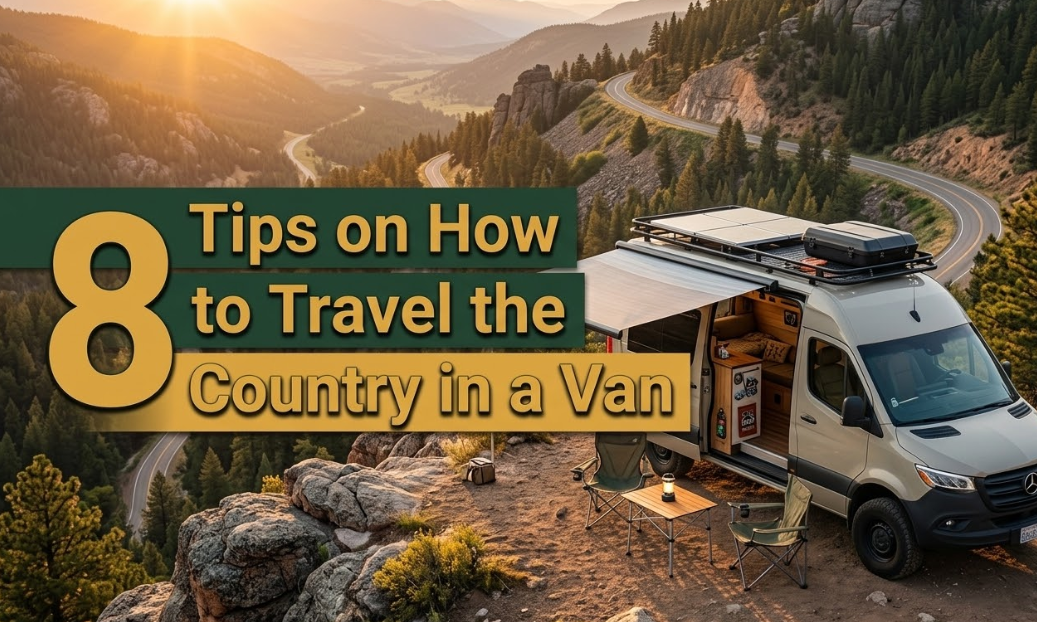
There’s something magical about taking the open road with everything you need packed into a van. No flight delays. No hotel bills. You and the road with their onward long haul to who knows where.
But the real fact is that van life can burn through your budget quickly if you aren’t careful. Costs for fuel, food, campsite fees and repairs add up quickly.
The good news? Road trips in a budget van are entirely possible. Right now, thousands of travelers are crossing whole countries without breaking the bank. They’re just doing it smarter.
These tips are all practical, proven by experience and will make your cross-country van trip budget-friendly without compromising fun. These methods will save you real money, whether it’s your first trip or fifth.
Tip 1: Pick the Right Van Before You Hit the Road
The choice of which van to go for will be the single most significant influence on the cost of your trip. Get this wrong, and you’ll be spending more on fuel, repairs and tension than anything else.
Fuel Economy Is More Important Than You Might Think
In a 3,000-mile trip across the country, a van that averages 18 miles per gallon compared to one that gets 25 makes an enormous difference. At $3.50 per gallon:
| Van Type | MPG | Fuel Cost (3,000 miles) |
|---|---|---|
| Large cargo van (diesel) | 18 mpg | $583 |
| Mid-size van (gasoline) | 24 mpg | $437 |
| Smaller camper van | 28 mpg | $375 |
| Budget economy van | 32 mpg | $328 |
That’s a $255 difference, simply from choosing a fuel-efficient vehicle. That money over a two-week trip could cover several nights of lodging or a week’s worth of groceries.
New vs. Used: What Actual Budget Van Travelers Do
Most veteran budget van travelers buy used — typically around 80,000 to 150,000 miles. These are the vehicles that have already taken the biggest hit on depreciation, but still have a lot of life left in them.
Always check before buying or renting:
- Vehicle history report (Carfax, etc.)
- Tire condition and age
- Oil change records
- Any rust on the undercarriage
For one-time travel, also check prices from smaller, local rental agencies. They often outprice the big chains by 20–30%.
Tip 2: Map Your Route to Free and Low-Cost Overnight Spots
Campsite costs can silently eat a budget. RV parks can go for $50–$80 a night. That is over $1,000 in two weeks — more than the total trip budget for some people.
The answer is to find places to sleep legally and safely that cost nothing or next to nothing.
Free Overnight Spots for the Budget Traveler
Bureau of Land Management (BLM) Land BLM land covers more than 245 million acres in the western states. Most of it offers dispersed camping — totally free — for 14 days at a time. Apps like iOverlander and FreeRoam show you specific locations.
National Forests Dispersed camping is free on most U.S. National Forests — available as long as you camp at least 200 feet away from water, roads and trails.
Walmart and Truck Stop Parking Lots of Walmart locations welcome overnight van parking. It’s not glamorous, but it’s free, safe and surprisingly widespread among van travelers. Always call ahead or check the store’s signage first.
Harvest Hosts For approximately $99/year, Harvest Hosts allows you to visit 5,000+ wineries, farms, breweries and unique properties where you can park overnight for free. For the frequent traveler, it pays for itself in two or three nights.
Cost Comparison: Overnight Options
Here’s how overnight costs break down for a 14-night cross-country drive:
| Overnight Type | Cost Per Night | 14-Night Total |
|---|---|---|
| Full RV Park | $45–$80 | $630–$1,120 |
| State Campground | $15–$30 | $210–$420 |
| National Forest (dispersed) | $0 | $0 |
| BLM Land | $0 | $0 |
| Harvest Hosts | ~$6.50 (membership avg.) | ~$91 |
| Walmart Parking | $0 | $0 |
Free nights combined with occasional paid campgrounds are a good happy medium. Aim for free at least 60–70% of nights.
Tip 3: Learn to Cook in Your Van
Eating out on a road trip every day is budget suicide. One meal at a restaurant can easily cost $15–$25 per person. For two people over two weeks, that’s $420–$700 spent on food alone — before snacks, coffee or drinks.
It is different when you are cooking in your van.
What You Really Need to Cook in a Van
You don’t have to have a full kitchen. A basic van cooking setup can be had for less than $150 and consists of:
- A two-burner propane camp stove ($30–$60)
- A small cooler or 12V fridge ($0–$200 depending on your budget)
- Cast iron frying pan and small pot
- Reusable utensils and plates
- A cutting board
The $10-a-Day Van Meal Strategy
Many experienced budget van travelers eat well on $8–$12 per person, per day. The trick is shopping at discount grocery stores (Aldi, Lidl, Walmart) and limiting yourself to simple, filling meals.
Example Daily Meal Plan (About $10/person):
| Meal | Example | Approx. Cost |
|---|---|---|
| Breakfast | Oatmeal with banana and coffee | $1.50 |
| Lunch | PB&J sandwich, apple, chips | $2.50 |
| Dinner | Pasta with tomato sauce and canned tuna | $3.50 |
| Snacks | Trail mix, granola bar | $1.50 |
| Daily Total | ~$9.00 |
Purchasing food in bulk toward the start of every week will help bring down costs even further. Load up on rice, pasta, oats, canned beans and canned fish — all calorie-rich and really cheap.
Tip 4: Reduce Fuel Costs by Adjusting Your Driving Habits
Gas is typically the largest expense on any van trip. The good news is that 15–25% of fuel consumption can be reduced by changing your driving habits, which generally require little to no extra effort.
Drive Slower and Save More
This one is simple yet powerful. On most vans, driving at 65 mph instead of 75 mph will improve fuel economy by about 10–15%. It adds up to real savings on a long cross-country trip.
On highways, the sweet spot for most vans is 55–65 mph.
Other Fuel-Saving Tips That Actually Work
Use cruise control on flat highways. Maintaining a constant speed burns less fuel than the natural acceleration and deceleration of manual driving.
Avoid idling. If you aren’t moving, turn the engine off. It can take up to half a gallon an hour just to idle a van.
Keep tires properly inflated. Under-inflated tires lower fuel efficiency and increase rolling resistance. Check tire pressure every few days on a long trip.
Plan routes to avoid traffic. Stop-and-go traffic is terrible for fuel economy. Detour around gridlock with Google Maps or Waze.
Search for the Cheapest Gas on Your Route
Gas prices differ widely from state to state and city to city. Apps like GasBuddy show real-time gas prices at every station in your proximity. You can save $0.20–$0.50 per gallon by always buying the cheapest gas available. On a road trip with 15 fill-ups, that adds up to as much as $37 in savings by simply choosing smarter stations.
Tip 5: Get a Good Night’s Sleep Without Paying for It
Your sleeping setup has a lot to do with your comfort level — and how much money you’re spending. Sleeping overnight in your van costs nothing. A poor setup results in motel bookings that eat through your budget fast.
The Budget Van Bed Setup (Under $100)
You don’t have to spend a fortune on a conversion in order to sleep well in a van. Here’s what works:
- Foam mattress topper (2–3 inch, cut to fit): $30–$50 at Walmart or Amazon
- Season-appropriate sleeping bag: $25–$60
- Blackout curtains or window covers: $20–$40 (or DIY with foam insulation boards cut to fit windows)
- Small pillow: Already own one
Total cost: $75–$150 for an exceptionally comfortable sleep arrangement.
Temperature Control Without Running the Engine
Leaving your engine running at night for heat or air conditioning wastes fuel and draws unwanted attention. Instead, savvy budget van travelers turn to these alternatives:
For cold nights:
- A quality sleeping bag rated 10–15°F lower than expected temps
- Putting foam board insulation on your windows (huge difference)
- Wool base layers
For hot nights:
- Park in shade whenever possible
- Use a small 12V fan ($15–$25) powered by a portable battery bank
- Install bug screens on cracked windows
Tip 6: Use Free Amenities to Avoid Extra Costs
This tip is something that so many first-time van travelers miss entirely. Free showers, free WiFi, free electricity, free water — it’s all available all over the country if you know where to look.
How to Shower for Free (or Very Cheap)
Planet Fitness: Showers are available at any location nationwide with a basic membership ($10/month). This is one of the best deals out there for van travelers.
Swimming pools and recreation centers: A day pass usually gives you access to the locker room, including showers. Many cost $5–$8.
Truck stops: Some truck stops (like Pilot Flying J) have showers. Normally $12–$15, but occasionally you can earn credits by filling your tank.
Beaches and state parks: Most have free outdoor shower stations.
Free WiFi, Electricity and Water While Traveling
| Resource | Where to Find It Free |
|---|---|
| WiFi | Libraries, McDonald’s, Starbucks, REI stores |
| Electricity (charging) | Libraries, coffee shops, shopping malls |
| Drinking water | Libraries, national park visitor centers, many gas stations |
| Dump stations | Many state parks and some Walmart locations |
Libraries deserve a special mention. They provide free WiFi, free electricity, free toilets and even some free events and entertainment. Budget van travelers treat them like gold.
Tip 7: Build a Maintenance Fund (And Learn Basic Repairs)
A single surprise breakdown can run anywhere from $500–$2,000 or beyond. This is how budget van trips go off the rails financially. The smart move is to plan for problems before they occur.
How Much to Set Aside
Many seasoned van travelers recommend allocating $500–$1,000 for an emergency repair fund before you hit the road. Think of it as insurance you pay yourself.
For a 2–3 week cross-country journey, budget an additional $100–$200 for miscellaneous maintenance items like oil changes, wiper blades and air filters.
Basic Van Repairs Every Budget Traveler Should Know
You don’t have to be a mechanic. But knowing a few basic repairs can save you hundreds of dollars in roadside service charges.
Learn how to:
- Change a flat tire (and always keep a spare on hand)
- Check and top off oil, coolant and windshield washer fluid
- Jump-start a dead battery with jumper cables
- Replace a blown fuse
- Replace wiper blades
YouTube has free tutorials for all of these. Put in two hours of watching before your trip and you’ll be prepared for 80% of roadside situations.
Apps and Resources That Help
- iFixit — free repair guides for nearly everything
- AAA — $60–$80/year for nationwide roadside assistance
- RepairPal — shows fair pricing for mechanics so you’re not overcharged
Tip 8: Make Money as You Go
This could be the most helpful tip of all for long-term budget van journeys. In addition to simply saving money, you can also make money on the road.
Many van travelers have made their time on the road a financially sustainable lifestyle by working remotely or picking up odd jobs as they travel. If you want more in-depth resources and a community of like-minded travelers, Budget Van Journeys is a great place to start.
Remote Work Options That Work from a Van
Freelancing is the most popular option. Skills in writing, graphic design, web development, social media management and video editing are all in high demand remotely.
Platforms to find remote work:
- Upwork and Fiverr (freelance gigs)
- Remote.co and We Work Remotely (full-time remote jobs)
- TaskRabbit (local odd jobs in cities you pass through)
Content creation is another option on the rise. There’s a huge audience for van life on YouTube, Instagram and TikTok. Many creators earn from ads, brand deals and Patreon supporters — but it takes time to build up.
Seasonal Work Along the Route
Amazon CamperForce recruits van and RV dwellers to work in its warehouses seasonally, particularly during the fall and holiday seasons. They provide parking and the pay is good.
Work Kamper programs offer free campsites in exchange for part-time work at campgrounds, resorts or farms. This means your overnight costs are covered completely.
Harvest Work: Tracking seasonal harvests across states — Washington for apples, Florida for oranges — is a tradition as old as traveling workers themselves.
Real Budget Van Journey Numbers: What People Actually Spend
To give you a more realistic picture, here’s how much van travelers report spending on cross-country trips:
| Trip Length | Solo Traveler | Couple |
|---|---|---|
| 1 week (budget mode) | $300–$450 | $500–$700 |
| 2 weeks (balanced) | $600–$900 | $900–$1,300 |
| 1 month (full cross-country) | $1,200–$1,800 | $1,800–$2,600 |
| 3 months (extended van life) | $3,500–$5,000 | $5,000–$7,500 |
These numbers include fuel, food, overnight expenses and some entertainment budget. They do not factor in vehicle purchases or major repairs.
Your Pre-Trip Budget Van Journey Checklist
Before you go, check off this list to ensure an affordable trip:
Vehicle:
- [ ] Oil changed and fluids topped off
- [ ] Tires checked and properly inflated
- [ ] Spare tire is present and in good condition
- [ ] Emergency tool kit packed (jumper cables, basic tools, duct tape)
Overnight Setup:
- [ ] Sleeping pad or mattress cut to fit
- [ ] Blackout window covers made or purchased
- [ ] 5–7 free overnight locations identified along your route
Food:
- [ ] Camp stove and fuel purchased
- [ ] Cooler or 12V fridge set up and tested
- [ ] First week of groceries purchased in bulk
Budget:
- [ ] $500+ emergency repair fund set aside
- [ ] Daily budget calculated and written down
- [ ] GasBuddy app downloaded
Apps to Download:
- [ ] iOverlander (free camping spots)
- [ ] FreeRoam (BLM and dispersed camping)
- [ ] GasBuddy (cheapest gas)
- [ ] Harvest Hosts (if you signed up)
- [ ] AllTrails (free outdoor activities)
Frequently Asked Questions
Q: How much money do I need for a basic cross-country van trip? If you’re a solo traveler doing a two-week cross-country trip on a budget, $700–$900 is reasonable. This considers mostly free camping, making your own food and steering clear of paid attractions.
Q: Is traveling by van really cheaper than flying and staying in hotels? Almost always yes — especially for trips longer than a week. A round-trip flight plus two weeks in hotels and eating out at restaurants can quickly run $2,000–$4,000 per person. A two-week budget van trip covering a similar distance can cost just $700–$900.
Q: Do I have to convert a van before I go on a trip? No. A simple mattress, some basic storage bins and a camp stove is sufficient for an enjoyable trip. Full conversions are ideal for long-term van life, but not necessary for a two- or three-week trip.
Q: Where do van travelers shower on the road? A $10/month Planet Fitness membership to access showers nationwide is the most popular option. Truck stops, state park beaches and recreation center day passes are also a frequent fix.
Q: Is it safe to sleep in a van? Yes, in general — especially if you use common sense. Whenever possible, park in well-lit or well-populated spaces. Use blackout window covers so it’s not obvious someone is sleeping inside. Lock your doors. Do not park where “no overnight parking” signs are posted.
Q: Where in the US is free camping most readily available? The American West is far ahead for free camping. States like Utah, Nevada, Arizona, New Mexico, Colorado, Wyoming, Oregon and California all have large amounts of BLM land and National Forest land open for free dispersed camping.
Q: How can I find free camping spots along my route? The apps iOverlander, FreeRoam and The Dyrt all display user-reported free camping locations. BLM land and National Forest boundaries can also be searched on Google Maps.
Q: Can I work remotely from a van? Yes. Many van travelers manage it successfully. A reliable mobile hotspot or cellular data plan is essential. For cross-country coverage, a Verizon or T-Mobile unlimited data plan with hotspot capability is the most popular choice among van travelers.
Budget Van Travel Is Well Worth Every Mile
Traveling cross-country in a van does not have to be expensive. With the right van, smart overnight choices, home-cooked meals and a few fuel-saving habits, you can cover thousands of miles without breaking your budget.
The eight tips in this guide — from selecting the right van to earning money on the road — combine to keep your costs down while your experience stays rich.
Begin with one or two tips that are most relevant to your circumstances. That could be locating free campsites on your route, or putting together a basic cooking kit. Small changes add up to serious savings.
The open road is waiting. And yes, it’s more affordable than you think.