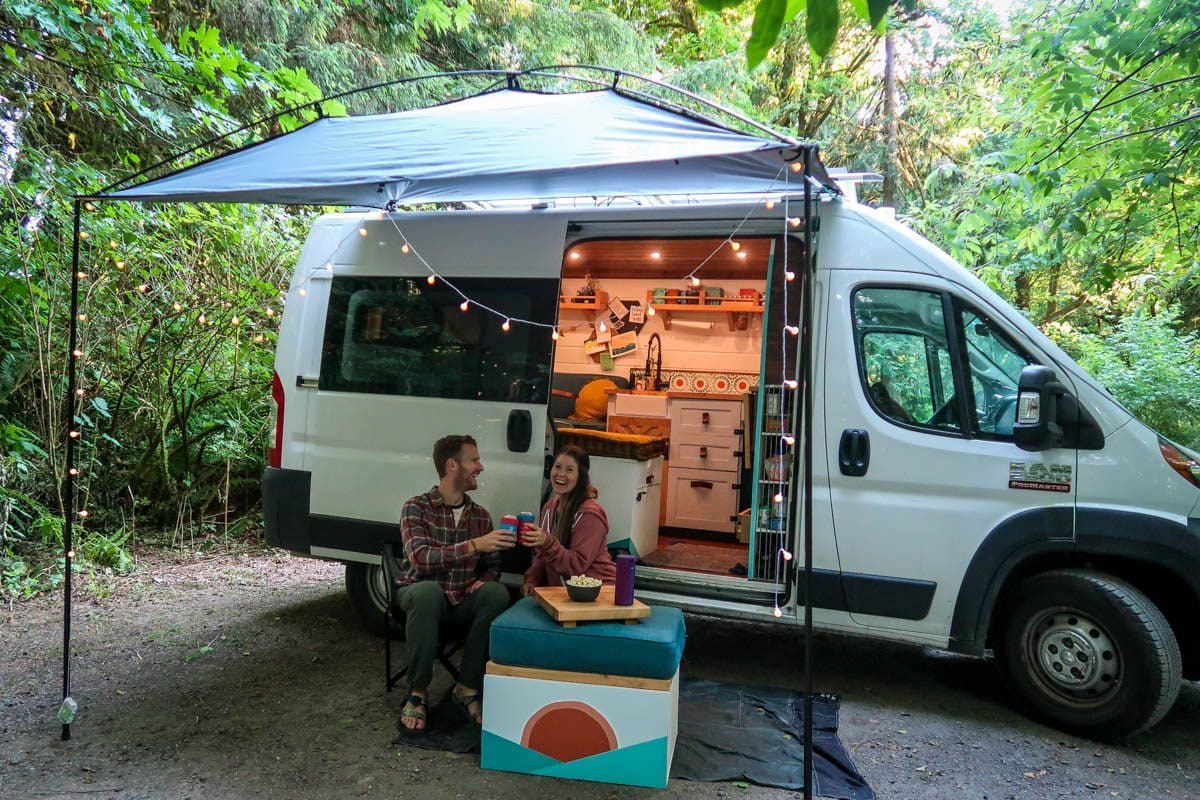
There’s a moment, right after you decide you’re going to set up a van for travel, when everything feels both exciting and overwhelming at the same time. You start imagining quiet mornings parked near a lake, coffee brewing on a tiny stove, and the freedom of moving wherever you want. Then reality kicks in—where do you even start?
The truth is, you don’t need weeks of planning or a massive budget to get a functional van ready. With a focused approach, you can build a simple, practical setup in just one day. Not a perfect van. Not an Instagram van. But a van that works—comfortably, safely, and efficiently.
This guide walks you through exactly how to do that.
what a 1-day van setup really means
A one-day setup isn’t about building a permanent conversion. It’s about creating a modular, beginner-friendly system that gives you everything essential:
- a place to sleep
- basic cooking ability
- simple storage
- power for small devices
- ventilation and comfort
Think of it as a “minimum viable van.” You can upgrade later, but this gets you on the road immediately.
planning your day: breaking down the timeline
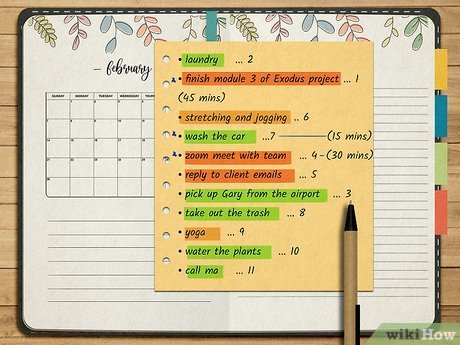
To make this realistic, you need structure. Below is a practical breakdown of how to divide your day:
time block | task focus | expected outcome
morning (2–3 hrs) | cleaning + layout planning | empty, measured space
late morning (2 hrs) | bed platform setup | sleeping area ready
afternoon (2 hrs) | storage + kitchen setup | functional living space
evening (1–2 hrs) | power + finishing touches | usable van
Total time: 7–9 hours
choosing the right van space layout
Before placing anything inside, step back and think about how you’ll move inside the van.
There are three basic beginner layouts:
layout type | description | best for
side bed | bed along one wall | solo travelers
rear bed | bed at back, storage underneath | gear-heavy travel
convertible | seating turns into bed | flexibility
For a one-day setup, the rear bed layout is the easiest and most efficient.
Why? Because it creates instant storage underneath without complicated construction.
step 1: cleaning and prepping your van
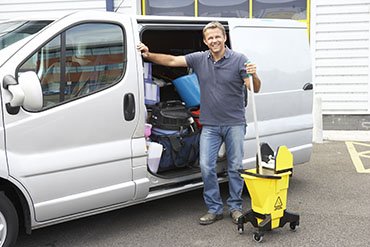
Start with a completely empty space. This step is often rushed, but it matters more than people think.
What to do:
- remove all unnecessary items
- vacuum and wipe surfaces
- check for rust or moisture
- measure interior dimensions
quick checklist:
task | importance level | time needed
deep clean | high | 30–45 min
measure space | high | 15 min
inspect flooring | medium | 10 min
A clean van feels bigger, more organized, and easier to work with.
step 2: building a simple bed platform
Your bed is the core of your setup. If this part is uncomfortable, everything else feels harder.
For a one-day build, keep it simple:
- use pre-cut plywood or a folding frame
- support with storage bins or crates
- add a foam mattress or thick padding
basic bed dimensions guide:
van type | recommended bed size
small van | 170–180 cm length
medium van | 180–190 cm length
large van | 190+ cm length
materials comparison:
material | cost | ease of setup | durability
plywood + crates | low | very easy | medium
metal frame | medium | easy | high
custom build | high | complex | very high
Pro tip: don’t overbuild. Stability matters more than aesthetics on day one.
step 3: creating smart storage zones
Storage is where beginners often overcomplicate things. You don’t need built-in cabinets immediately.
Instead, think in zones:
- under-bed storage
- daily-use items near doors
- rarely-used items deeper inside
simple storage system:
storage type | items stored | accessibility
plastic bins | clothes, tools | medium
soft bags | daily essentials | high
stackable crates | food, kitchen | high
labeling your containers saves time and reduces frustration later.
step 4: setting up a basic kitchen
You don’t need a full kitchen. You need functionality.
minimum kitchen setup:
- portable stove
- small gas canister
- one pot + one pan
- water container (10–20L)
- basic utensils
kitchen essentials table:
item | purpose | priority level
portable stove | cooking | essential
water jug | hydration | essential
cooler box | food storage | high
folding table | prep space | medium
Keep your cooking gear in one container for easy access.
step 5: power setup for beginners
Electric systems can get complicated fast, but for a one-day setup, keep it minimal.
starter power options:
option | cost | complexity | usage
power bank | low | very easy | phones, lights
portable power station | medium | easy | multiple devices
full solar system | high | complex | long-term use
For beginners, a portable power station is the best balance.
basic power needs:
device | daily usage
phone | 1–2 charges
lights | 2–4 hours
fan | 1–3 hours
Avoid overestimating your needs. Start small and expand later.
step 6: ventilation and airflow
Ventilation is often underestimated, but it directly affects comfort and sleep quality.
simple solutions:
- window slightly open
- battery-powered fan
- rain guards if available
ventilation impact chart:
ventilation level | comfort rating | sleep quality
poor | low | disrupted
moderate | good | stable
excellent | very high | deep rest
Even a small fan can make a big difference.
step 7: lighting your van
Lighting changes how your van feels at night.
best beginner lighting options:
- LED strip lights
- battery lanterns
- clip-on reading lights
lighting comparison:
type | brightness | power usage | flexibility
LED strips | high | low | fixed
lantern | medium | low | portable
headlamp | low | very low | personal use
Warm lighting creates a more relaxing atmosphere than harsh white light.
step 8: privacy and insulation basics
You don’t need full insulation on day one, but you do need privacy.
quick solutions:
- blackout curtains
- reflective window covers
- fabric panels
privacy vs comfort table:
solution | privacy level | temperature control
curtains | high | low
reflective covers | high | medium
insulated panels | very high | high
Privacy improves sleep and gives you a sense of security.
step 9: organizing your daily routine setup
A functional van isn’t just about items—it’s about how you use them.
example daily flow:
time | activity | setup interaction
morning | wake up | fold bedding
midday | travel/explore | access storage
evening | cook/eat | use kitchen zone
night | sleep | prepare bed
Design your layout so this flow feels natural.
step 10: final checks before your first trip
Before hitting the road, take one hour to test everything.
final checklist:
task | status check
bed stability | no movement
storage security | nothing shifts
power devices | fully charged
cooking gear | working properly
ventilation | airflow confirmed
Testing prevents small issues from becoming big problems later.
common beginner mistakes to avoid
Even with a solid plan, it’s easy to make mistakes.
mistake | consequence
overpacking | cluttered space
overbuilding | wasted time
ignoring airflow | poor sleep
complex systems | frustration
Keep your setup simple. Complexity can come later.
cost breakdown for a 1-day setup
Here’s a realistic budget estimate:
category | low budget | mid budget
bed setup | $50 | $150
storage | $30 | $100
kitchen | $40 | $120
power | $50 | $300
lighting | $20 | $80
total estimate:
- low budget: $190
- mid budget: $750
You can start small and upgrade over time.
chart: simplicity vs comfort
setup complexity | comfort level | maintenance effort
very simple | moderate | low
balanced | high | medium
complex | very high | high
The goal is balance—not perfection.
how to upgrade later
Once you’ve used your van for a few trips, you’ll understand what you actually need.
common upgrades:
- fixed cabinetry
- solar panels
- better mattress
- fridge system
Upgrade based on experience, not assumptions.
final thoughts
A one-day van setup isn’t about building your dream van—it’s about starting your journey. It removes the biggest barrier: overthinking. Once you’re on the road, everything becomes clearer. You’ll refine your setup naturally, based on real experience rather than guesswork.
The most important step isn’t perfect design—it’s simply getting started.
frequently asked questions
- can I really set up a van in one day?
Yes, if you focus on essentials and avoid complex builds, a functional setup can be completed within 7–9 hours. - what is the most important part of the setup?
The bed. Good sleep directly affects your overall experience and energy levels. - do I need a power system right away?
Not necessarily. A simple power bank can work initially, but a portable power station adds convenience. - how do I keep my van organized?
Use labeled bins and assign specific zones for different items to maintain order. - is insulation necessary for beginners?
No. You can start with basic solutions like curtains or reflective covers and upgrade later. - what’s the biggest mistake beginners make?
Trying to build a perfect van immediately instead of starting simple and improving over time.