It started with a decision that didn’t feel dramatic at the time. No grand announcement, no social media countdown, no “this will change my life” moment. Just a quiet thought: what if I left for a month with only what I could fit in a van?
The idea lingered for weeks before turning into action. I wasn’t running away from anything specific, but I was undeniably tired—tired of predictable days, constant notifications, and the strange pressure of always being “on.” A month felt manageable. Not too long to disrupt everything, not too short to feel meaningless.
This is not a romanticized version of van life. It’s not filtered through perfect sunsets or curated minimalism. It’s a real account—messy at times, unexpectedly beautiful at others—of what one month on the road actually felt like.
the van itself: small space, big adjustments
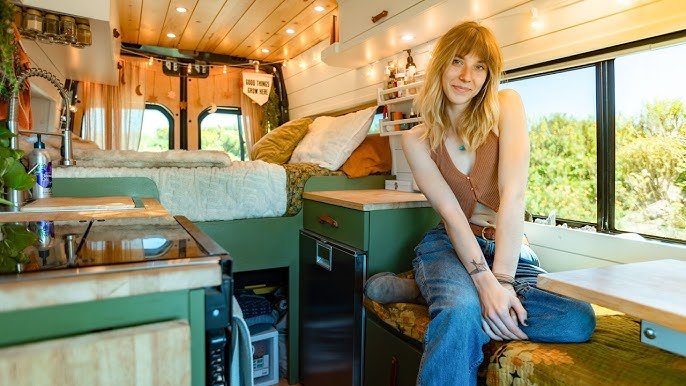
The van wasn’t a luxury build. No solar panels at first, no built-in shower, no Instagram-worthy wooden interiors. It was an older model, slightly worn, but mechanically reliable. Inside, it had:
- a simple mattress platform
- storage boxes underneath
- a portable stove
- a water container
- a few hooks and makeshift shelves
At first glance, it looked underwhelming. But over time, it became something else entirely—a space that adapted to my needs rather than dictating them.
Here’s a breakdown of the setup:
| feature | description | initial challenge |
|---|---|---|
| sleeping area | foam mattress on wooden base | limited movement |
| cooking setup | portable gas stove | ventilation concerns |
| storage | plastic bins under bed | organization issues |
| lighting | battery-powered lamps | short battery life |
| water | 20-liter container | frequent refills |
Nothing about it was perfect. But perfection wasn’t the goal—functionality was.
week one: excitement meets reality
The first week felt like freedom with a slight edge of discomfort. Every small action required thought. Where to park? Where to sleep? Where to refill water? These weren’t difficult questions individually, but together they created a constant mental loop.
Still, there was excitement in the unknown.
Mornings were the highlight. Waking up to a new view—even if it was just a quiet roadside—felt refreshing. Coffee tasted better outdoors. Time felt slower.
But nights were different.
The first few nights were restless. Every sound felt amplified. A passing car, distant voices, even the wind tapping against the van created unease. Safety wasn’t necessarily compromised, but the unfamiliarity kept me alert.
By the end of week one, I realized something important: van living isn’t just about physical adjustment—it’s about mental adaptation.
week two: finding rhythm in uncertainty
By the second week, something shifted. The questions that once felt overwhelming became routine.
- I learned how to spot safe parking areas quickly
- I developed a simple cooking routine
- I used less water without feeling deprived
- I started recognizing the difference between real concerns and imagined ones
Life became less about constant decision-making and more about flow.
Here’s what a typical day looked like:
| time | activity | feeling |
|---|---|---|
| 6:30 am | wake up, stretch | calm |
| 7:00 am | make coffee | grounded |
| 9:00 am | explore nearby area | curious |
| 1:00 pm | simple lunch | relaxed |
| 3:00 pm | rest or read | peaceful |
| 6:00 pm | cook dinner | content |
| 9:00 pm | wind down | reflective |
There was no rush. No strict schedule. And surprisingly, no boredom.
The absence of constant stimulation revealed something unexpected: stillness isn’t empty—it’s full of subtle details you usually miss.
week three: challenges you don’t see online

This is where the reality of van living becomes clear. The novelty fades, and what’s left is the truth.
Some challenges became unavoidable:
- weather changes affecting comfort
- limited access to clean restrooms
- occasional loneliness
- mechanical worries (even if nothing goes wrong)
One particular day stood out.
It rained almost non-stop. The van felt smaller than ever. Clothes didn’t dry properly. Cooking became inconvenient. And for the first time, I questioned the decision.
But that day also revealed something important: discomfort doesn’t cancel the experience—it deepens it.
Here’s a quick comparison of expectations vs reality:
| expectation | reality |
|---|---|
| always scenic views | sometimes parking lots |
| constant freedom | occasional constraints |
| peaceful solitude | moments of loneliness |
| simple living | unexpected complications |
The key wasn’t avoiding these realities—it was accepting them.
week four: clarity, simplicity, and unexpected lessons
By the final week, van living stopped feeling like an experiment. It started feeling normal.
The space that once felt small now felt sufficient. The routines that once felt forced now felt natural.
I noticed changes in myself:
- I needed less to feel comfortable
- I paid more attention to surroundings
- I felt less urgency to “fill time”
- I appreciated small conveniences more
There was a quiet clarity that emerged—not dramatic, not life-altering in an obvious way, but steady and noticeable.
A simple chart showing mental shift over time:
| week | stress level | comfort level | sense of freedom |
|---|---|---|---|
| 1 | high | low | high |
| 2 | moderate | moderate | high |
| 3 | variable | moderate | moderate |
| 4 | low | high | high |
This progression wasn’t linear, but the overall trend was clear.
food, water, and daily survival basics
Living in a van simplifies your relationship with essentials.
Food became less about variety and more about efficiency. Water became something I respected more than ever.
Here’s a typical weekly consumption:
| resource | average usage |
|---|---|
| water | 15–20 liters |
| food cost | low to moderate |
| fuel | depends on distance |
| electricity | minimal (no heavy devices) |
Meals were simple:
- eggs and bread for breakfast
- rice or pasta for lunch
- vegetables or canned food for dinner
Nothing fancy, but surprisingly satisfying.
the psychological shift of living small
One of the most profound changes wasn’t physical—it was psychological.
When you live in a small space:
- clutter becomes unbearable quickly
- organization becomes essential
- you become aware of every item you own
This creates a natural filter. You stop accumulating unnecessary things because there’s simply no space for them.
Over time, this extends beyond physical objects. You start filtering:
- unnecessary thoughts
- distractions
- commitments that don’t add value
It’s not forced minimalism—it’s practical minimalism.
moments that made it worth it
Not every day was memorable. But some moments stood out in a way that made everything worthwhile.
- watching sunrise in complete silence
- cooking a meal after a long day and feeling genuinely satisfied
- finding an unexpectedly beautiful spot without planning
- realizing you don’t miss certain aspects of your old routine
These moments weren’t constant, but they were enough.
cost breakdown of a 1-month van life
One of the biggest questions people have is cost. Here’s a realistic estimate:
| category | estimated cost |
|---|---|
| fuel | moderate |
| food | low to moderate |
| maintenance | variable |
| parking | mostly free |
| miscellaneous | low |
Overall, it was cheaper than a typical month of rent and daily expenses.
what I would do differently
Looking back, there are a few things I’d adjust:
- invest in better ventilation early
- plan water refilling points in advance
- carry fewer clothes
- have a backup plan for bad weather days
These aren’t deal-breakers, but they would have made the experience smoother.
lessons that stayed after the journey
The month ended quietly, just like it began. No dramatic return, no sudden transformation. But something had changed.
Here are the key takeaways:
- comfort is more flexible than we think
- routine is optional, not mandatory
- simplicity can feel richer than complexity
- time feels different when you’re not rushing
These lessons didn’t fade after returning—they stayed.
final reflection
Van living for a month isn’t about escaping life—it’s about seeing it differently. It strips away layers of convenience and replaces them with awareness.
It’s not always comfortable. It’s not always easy. But it’s real.
And sometimes, that’s exactly what you need.
frequently asked questions
- is van living safe for a beginner?
Yes, if you take basic precautions like choosing safe parking spots and staying aware of your surroundings. Experience builds quickly. - how do you handle hygiene during van life?
Using public facilities, gyms, or portable solutions works. It requires planning but is manageable. - do you get bored living in a van?
Not usually. The changing environment and slower pace keep things interesting, though quiet moments are common. - how much money do you need for a month?
It varies, but generally less than traditional living costs if you manage fuel and food efficiently. - what’s the hardest part of van living?
Unpredictability—weather, parking, and small inconveniences can add up. - would you recommend trying van life?
Yes, even for a short period. It offers a perspective that’s hard to get otherwise.