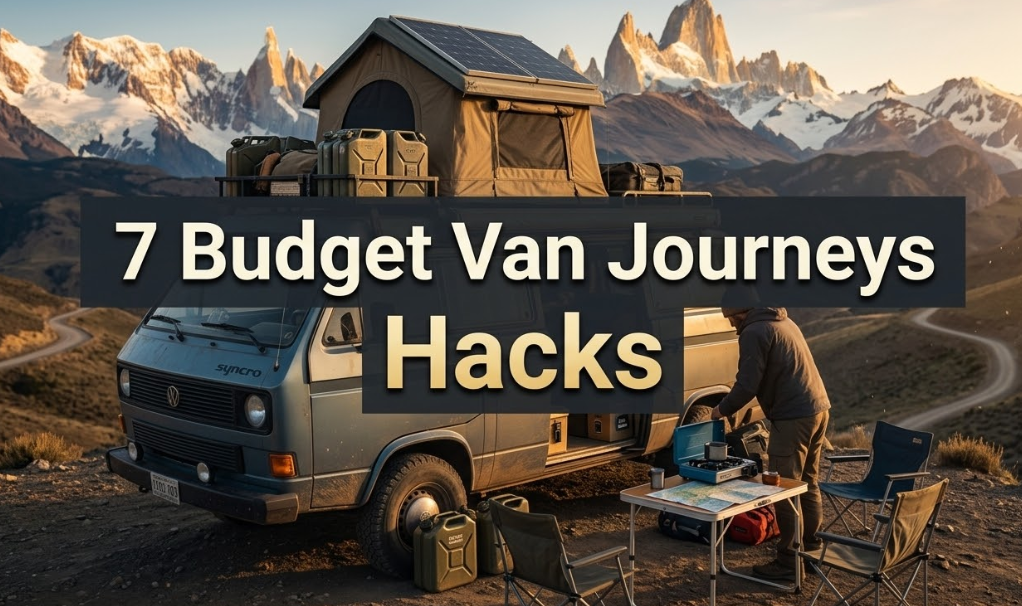
Imagine this: You have a van, the open road and no idea how to make the trip affordable. Sound familiar?
Van journeys on a budget are as popular as ever. Be you a weekend warrior, family road tripper or someone who calls the van life permanent home, one common thread remains — no one wants to live out of their savings on gas, tolls and overnight parking.
The good news? It is easier than most people think to plan cheap routes. You just need the proper tricks up your sleeves.
In this guide, you’ll find 7 quick, actionable and tried-and-tested ways to get the most out of every dollar for your next van trip. These aren’t vague tips. These are genuine tips that actual van lifers practice every week.
Let’s get into it.
Tip #1 — Plot the Free Overnight Stops First
The huge mistake that most van travelers make. They plan the fun stuff first — scenic spots, restaurants, attractions — and sleep arrangements afterward.
Flip that thinking.
Start with where you’ll sleep. Overnight costs can easily consume 30–50% of a van travel budget if you are not careful. Finding free or near-free stops first locks in huge savings early on.
How to Discover Free Overnight Parking
There are more free spots than most people realize. Here’s a quick breakdown:
| Stop Type | Cost | Best Tool to Find Them |
|---|---|---|
| National Forest Land | Free | US Forest Service website |
| BLM (Bureau of Land Management) | Free | BLM.gov or FreeRoam app |
| Walmart Parking Lots | Free (ask first) | Walmart Locator + call ahead |
| Cracker Barrel Lots | Free | Cracker Barrel website |
| Casino Parking | Free | Google Maps |
| Rest Stops (short stays) | Free | Interstate signs + iOverlander |
| Harvest Hosts | $99/yr | HarvestHosts.com |
Apps such as iOverlander, FreeRoam and The Dyrt will display user-reported free campsites, often with reviews. Many of the spots are hidden gems that never appear in standard Google searches.
Create the Route Around the Stops
Once you know of free overnight options generally along a corridor, base your daily driving around them. Aim for 150–250 miles a day max. It keeps fuel costs low and allows you to spend time enjoying where you are.
Trick #2 — Fuel Price Apps Before You Leave Town
Gas is the most unpredictable variable of any budget van trip. Prices can vary by 40–60 cents per gallon based on the town or highway exit, even which side of the street you’re on.
The smart van traveler never fills up blind.
The Apps That Actually Help
- GasBuddy — Displays real-time prices at nearby stations. Free and reliable.
- Waze — Adds gas prices to navigation. Convenient if you’re already using it to drive.
- Google Maps — Displays fuel prices when searching for gas stations.
- GasGuru — Lightweight app with fast loading times, good for quick checks.
The Fill-Up Strategy That Saves Actual Money
Here’s one way that van travelers swear by: Don’t fill up near highway exits.
Gas stations just off the interstate charge a premium because they can. Instead, drive two or three miles into town. Prices drop noticeably.
Also, fill up before you cross state lines if you’re headed from a low-tax state to a high-tax one. California, Pennsylvania and Illinois regularly have among the highest gas taxes in the nation.
Trick #3 — Opt for Slower Roads Instead of Highways (When It Makes Sense)
This one surprises people. Highways seem faster and cheaper on time. But they’re not always financially cheaper.
Here’s why: highways promote higher speeds. 70–75 mph is where most vans get their worst fuel economy. Slow down to 55–60 mph on a back road, and you can improve fuel economy by 15–20%.
When to Take the Slow Road
| Situation | Best Choice | Why |
|---|---|---|
| Short distance (under 100 miles) | Slow road | Big fuel savings, less wear |
| Long haul (300+ miles) | Highway | Time savings justify the cost |
| Heavy traffic on highway | Slow road | Stop-and-go kills fuel economy |
| Scenic corridor with stops planned | Slow road | Combines savings with enjoyment |
| Tight deadline | Highway | Not worth the time risk |
Apps such as Google Maps and Roadtrippers enable you to search for scenic byway routes. Many of those roads are beautiful, well kept and run almost parallel to the interstates they mirror.
The Secret Benefit of Slow Roads
You also avoid tolls. The vast majority of the major toll roads and turnpikes in the U.S. are interstate highways. A back-road trip from Chicago to Pittsburgh, for instance, can save $30–$50 in tolls alone — plus the fuel savings.
Tip #4 — Hit Grocery Stores Like a Pro
Food is sneaky. It doesn’t seem expensive at the time — a coffee here, a fast food meal there — but it accumulates brutally quickly on a long van trip.
Food needs to be approached differently on budget van journeys. For more money-saving strategies tailored to van life, visit Budget Van Journeys — a great resource for planning affordable road trips.
The Van Kitchen vs. Restaurant Math
Here’s a cost comparison over a 7-day trip for two people:
| Meal Approach | Avg. Daily Cost (2 people) | 7-Day Total |
|---|---|---|
| Eating out every meal | $80–$120 | $560–$840 |
| Mix of cooking + occasional dining | $35–$50 | $245–$350 |
| Cooking most meals in the van | $20–$30 | $140–$210 |
The savings are not subtle. Van cooking wins by a mile.
How to Stock Up Without Spending Too Much
- Shop at Walmart Supercenters or Aldi en route. These chains have consistent low prices across the country.
- Stock up on dry goods at the beginning of the trip — rice, oats, pasta, lentils, canned beans. They are inexpensive, filling and simple to prepare.
- As you go through various regions, check your local deals on Flipp or Grocery Outlet apps.
- Avoid “tourist town” grocery stores. Small specialty stores in popular outdoor areas can charge 2x normal prices.
Plan grocery stops every 3–4 days. That helps keep produce fresh without overstuffing your storage.
Trick #5 — Always Use a Toll Calculator Before a Long Drive
Tolls are one of the most overlooked and underestimated costs for van travelers. Some routes appear short and inexpensive on a map, but they’re riddled with hidden tolls that drain your wallet quickly.
Tools That Show Tolls in Advance
- TollGuru — Enter your route and vehicle type, and it computes total toll costs. Free and very accurate.
- TollSmart — Also compares toll prices on different routes, similar to TollGuru.
- Google Maps — Has an “avoid tolls” option in settings. Helpful, but sometimes routes on impractical roads.
- Roadtrippers Plus — Displays tolls as part of detailed route planning. Worth it for long-haul trips.
A Real-World Example
Take a route from New York City to Boston. If you drive directly up I-95, you will encounter multiple toll plazas. Total tolls? $15–$25, depending on your exact route and vehicle size.
Now use US-1 or US-6 instead. Longer in time? A bit. Toll cost? Near zero.
On a multi-week budget van trip, skipping tolls consistently can save $100–$200 or more.
E-ZPass vs. Cash Tolls
If you’re a frequent traveler in the Northeast or Midwest, an E-ZPass transponder saves you 20–40% on toll rates compared to paying cash at the booth. The discount varies by state, but it’s almost always worth it for vans doing routine routes.
According to the E-ZPass Group, registered users benefit from lower toll rates and faster lane access across 19 states — making it a smart investment for any regular van traveler.
Trick #6 — Travel Off-Peak to Cut Out Major Costs
Timing is more important in budget van travel than most people realize. The same route, with the same stops and the same van — but at a different time of year — can cost drastically more or less.
When Budget Van Trips Are Most Affordable
Shoulder season is the sweet spot. That’s typically:
- Spring (March–May before Memorial Day)
- Fall (September–November before Thanksgiving)
During these periods, campsite fees are lower, dispersed camping crowds subside and even groceries in tourist towns normalize.
Time of Week Matters Too
Weekdays beat weekends nearly every time. Here’s a quick comparison:
| Day/Period | Campsite Availability | Avg. Paid Campsite Cost | Traffic Level |
|---|---|---|---|
| Weekday (Mon–Thu) | High | $15–$25 | Low |
| Friday night | Medium | $20–$35 | Moderate |
| Saturday night | Low | $25–$45 | High |
| Holiday weekends | Very Low | $35–$60+ | Very High |
Traveling Sunday through Thursday dramatically lowers campground costs and opens up free dispersed camping spots that fill up on weekends.
The Fuel Price Timing Trick
Gas prices follow a similar weekly rhythm. Monday and Tuesday mornings tend to be cheaper. Prices creep higher Thursday to Saturday, when weekend drivers hit the road. Fill up mid-week when possible.
Tip #7 — Batch Your Maintenance Before, Not During the Trip
This one is different from the others. It’s not about the route. It’s about the van itself.
Even one breakdown on a budget van journey can wipe out every dollar you saved. One tow, one emergency repair, one night in an unexpected motel — and that cheap trip has suddenly become not cheap at all.
The Pre-Trip Checklist That Can Save You Money
Don’t skip these before any long van trip:
Tires:
- Check tread depth (penny test — Lincoln’s head should be covered)
- Check pressure cold (before driving)
- Inspect sidewalls for cracks or uneven wear
Fluids:
- Engine oil — replace if within 1,000 miles of next service
- Coolant — check level and condition
- Brake fluid — should be clear to light yellow
- Power steering fluid — if your van has it
- Windshield washer fluid — easily overlooked, irritating when empty
Belts and Hoses:
- Check for cracks, fraying or stiffness
- Serpentine belt failure strands you fast
Brakes:
- Listen for squealing or grinding
- Check pad thickness if accessible
Battery:
- Test voltage if battery is over 3 years old
- Clean terminals if corroded
What You Need to Keep Onboard for Emergencies
| Item | Avg. Cost | Why It Matters |
|---|---|---|
| Jumper cables or jump starter | $25–$60 | Fixes a dead battery in minutes |
| Tire plug kit + portable inflator | $20–$40 | Fixes most flat tires roadside |
| Basic tool kit | $20–$40 | Minor repairs and adjustments |
| Extra engine oil (1 quart) | $8–$12 | Leaks happen, oil matters |
| Duct tape + zip ties | $5–$10 | Fixes more than you’d expect |
| Coolant bottle | $8–$15 | Avoids overheating |
Investing $100–$150 in this kit before you go is the best insurance you’ll ever purchase for a van trip.
Bringing It All Together — Budget Van Journey Example Framework
This is how these 7 tricks come together into a real planning process:
Step 1: Get a general idea of where you are going.
Step 2: Use iOverlander or FreeRoam to map free and low-cost overnight stops along the route.
Step 3: Plan driving days between those stops (150–250 miles max per day).
Step 4: Look up fuel prices along your route with GasBuddy. Note low-price towns for fill-ups.
Step 5: Run the entire route through TollGuru. Compare alternatives if tolls are very high.
Step 6: Decide on slow vs. fast road segments based on the table in Trick #3.
Step 7: Plan grocery stops at Walmart, Aldi or regional discount stores every 3–4 days.
Step 8: Review trip timing — can you move to weekdays or shoulder season?
Step 9: Complete the pre-trip maintenance checklist. Pack the emergency kit.
Step 10: Set out feeling secure on the road.
Real Numbers — What a Smart Budget Van Trip Actually Costs
Here’s a reasonable breakdown for a solo traveler on an inexpensive 10-day, 1,500-mile van journey:
| Category | Budget Approach | Cost Estimate |
|---|---|---|
| Fuel (20 mpg avg, $3.20/gal) | Smart fill-ups, some slow roads | $240 |
| Overnight stops | Mix of free + $10–$15 paid nights | $70 |
| Food | Mostly cooking in van | $150 |
| Tolls | Avoided most, paid some | $15 |
| Activities/entry fees | Mostly free (national forests + parks) | $40 |
| Miscellaneous | Small repairs, ice, supplies | $30 |
| Total | ~$545 |
Compare that to the same trip without a plan: fuel with no strategy ($310+), motels or full-price campgrounds ($250+), eating out every meal ($400+) and surprise tolls ($50+). You’re looking at $1,000+ easily.
Smart planning literally halves the cost.
FAQs About Budget Van Journeys
Q: What’s the most affordable way to sleep in a van legally?
A: The gold standard is BLM land and National Forest dispersed camping — totally free and legal. FreeRoam, iOverlander and BLM.gov’s own maps give precise coordinates. Always check for fire restrictions and “no camping” signs before settling in.
Q: How do I save fuel on a van that gets bad mileage?
A: Three moves help the most: slow down (every 5 mph over 60 costs fuel), use GasBuddy to locate cheap stations and keep tires properly inflated. Under-inflated tires can reduce fuel economy by 2–4%, which adds up over thousands of miles.
Q: Is it cheaper to drive a van than fly and stay in hotels?
A: Yes — much cheaper, for trips over 5–7 days. It depends on your van’s fuel economy for short weekend trips to nearby destinations. Budget van journeys pull ahead on price when trips are longer or schedules are looser.
Q: What is the best app for planning a cheap van route?
A: No one app does it all. The best combination is Google Maps (routing), GasBuddy (fuel), iOverlander or FreeRoam (free camping) and TollGuru (toll avoidance). Combine those and you have a complete planning toolkit.
Q: How much money should I plan to spend per day on a van trip?
A: For one person, smart planning can get you between $40–$65 a day. That includes gas, food and the occasional paid camping. Two people sharing costs can bring that down to $30–$45 each per day.
Q: Do I need a special van to do budget van travel?
A: Nope. Budget van journeys work with any reliable van. The key word is “reliable.” A cheap van that breaks down will cost more than a solid used cargo van or minivan that starts every morning. Focus on mechanical soundness, not size or style.
Q: Can I travel in a van on a budget with children?
A: Absolutely. Families tend to benefit the most because you’re swapping out pricey hotel rooms and restaurant tabs for van cooking and free campsites. Allow for additional rest stops, pack plenty of entertainment and try to keep daily drives under 200 miles — no one wants tired kids and frustrated parents.
Wrapping It Up
Budget van journeys are not about suffering through a cheap trip. They’re about being savvy enough to save money without skimping on the experience.
These 7 tricks — plotting free overnight stops first, using fuel apps, taking slow roads, doing smart grocery runs, using toll calculators, traveling off-peak and completing pre-trip maintenance — work together as a system. Each one saves a little. Combined, they save a lot.
The open road is waiting. And with the proper plan, you don’t have to break the bank to get there.
Start with Tip #1 tonight. Find three free overnight stops along that route you’ve long been dreaming about using iOverlander, and let the planning begin.
The trip of a lifetime — in your budget van — is just around the corner.