
Three messages came in this week, all asking some version of the same question. What van should I actually buy. One was from a guy in Ohio with eight thousand dollars saved and a tape measure already in his glovebox. One was from a couple trying to figure out if downsizing from a two-bedroom apartment was even sane. One was from someone who just wanted out, full stop, budget barely worked out yet. I get this question more than almost any other I field for Budget Van Journeys, and the honest answer shifts depending on who’s asking. Still, a handful of vans keep showing up no matter who’s doing the asking, and there are reasons for that worth picking apart.
1. What’s Actually Moving Off Lots Right Now
The Dodge Ram ProMaster has been the quiet favorite for a couple of years now, and that hasn’t changed. The high-roof version gives a six-foot-plus standing height without raising the roof yourself, which saves real money and real weekends. Front-wheel drive isn’t everyone’s preference for winter driving, but it does mean a flatter floor, and a flatter floor matters more than people expect once you’re trying to fit a bed frame and a kitchen module into a space that’s already fighting you for every inch.
Ford Transits are everywhere, which is both their strength and their one real weakness. Parts are cheap and mechanics know them, but that popularity means used prices haven’t dropped the way some buyers hoped they would by 2026. You’re paying a small premium for peace of mind, basically.
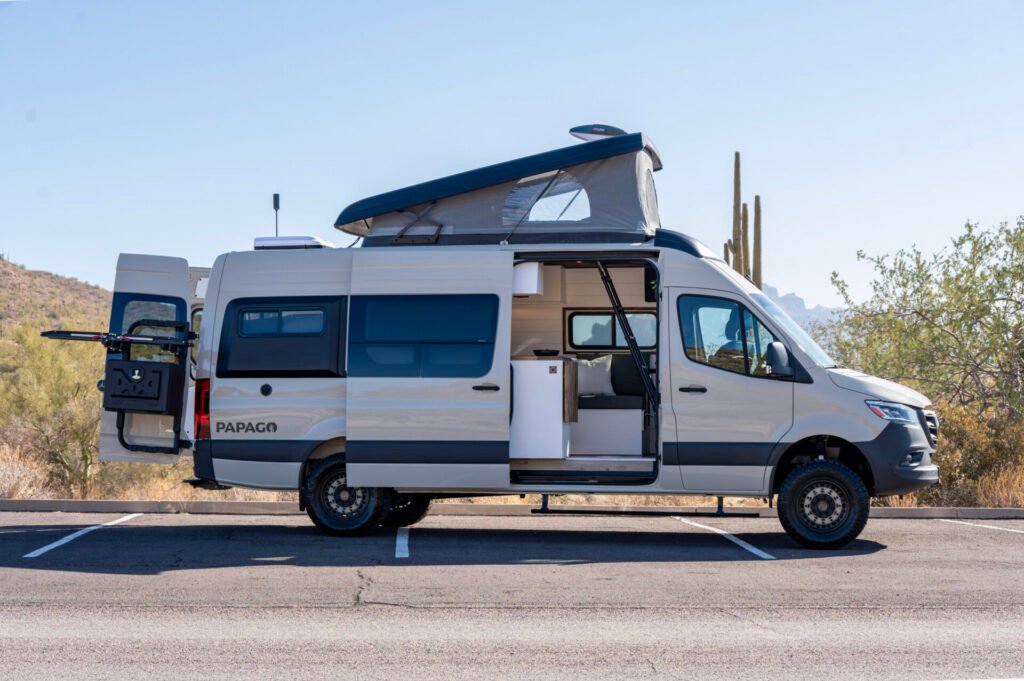
Sprinters still carry the reputation, and a used Sprinter with the right mileage can be a genuinely good buy. But the repair bills on an out-of-warranty Mercedes diesel are not a budget van life story, they’re a different story entirely, and I’ve watched people learn that the expensive way.
Then there’s the quieter trend: minivans. A used Honda Odyssey or Dodge Grand Caravan, gutted and rebuilt, is becoming a real option for solo travelers who don’t need a full-size build. Cheaper to buy, cheaper to insure, easier to park. Not glamorous. Works. If the cheapest possible entry point matters more to you than anything else, it’s worth reading through Cheapest Vans to Buy and Convert before you rule a minivan out.

2. ProMaster vs Transit vs Sprinter, the Real Comparison
People ask me to just rank them, and and I get why, but a straight ranking doesn’t actually help anyone make a decision. Here’s the breakdown I actually use when someone asks me directly.
| Model | Typical Used Price (2026) | Interior Height (High Roof) | Real-World MPG | Best Fit For |
|---|---|---|---|---|
| Dodge Ram ProMaster | $14,000–$22,000 | 6’3″ | 16–19 | Budget builds, flat-floor needs |
| Ford Transit | $17,000–$26,000 | 6’5″ | 17–21 | Reliability, parts access |
| Mercedes Sprinter | $22,000–$35,000+ | 6’7″ | 18–24 (diesel) | Long-term, higher budget |
| Nissan NV (2500) | $11,000–$17,000 | 6’2″ | 14–17 | Lowest entry price, basic builds |
| Used Minivan (Odyssey/Caravan) | $5,000–$10,000 | n/a (no standing room) | 19–28 | Solo, short-term, stealth |
The ProMaster and Transit are the two most people land on, and the honest difference between them is smaller than the forums make it sound. Rear-wheel drive versus front-wheel drive matters if you’re chasing snow regularly. Otherwise it mostly comes down to which one’s sitting on a lot near you with decent mileage and a clean service history. If you’re weighing a full-size cargo van against stretching for a Sprinter, I went deep on that exact decision in Cargo Van vs Sprinter: Budget Build, and it’s worth a read before you commit either way.
3. Where Most First-Time Buyers Overspend
Here’s where people usually go wrong, and it’s almost never the van itself.
It’s the financing. A lot of first-time buyers walk into a dealership already exhausted from searching and accept whatever rate gets offered, because they just want the search to be over. That single decision can add thousands over a loan term, more than the difference between a ProMaster and a Sprinter in the first place.
The second mistake is chasing low mileage at any cost. A van with 90,000 miles and full documented maintenance is usually a smarter buy than one with 40,000 miles and zero paper trail. Mileage tells you distance. It doesn’t tell you how the previous owner treated the thing. I made this exact mistake on my first van, actually, paid extra for low miles and ended up replacing a transmission eighteen months later that a higher-mileage van with better records probably wouldn’t have needed. Lesson learned, the expensive way.
And the third one, the one nobody wants to hear: people fall in love with a listing photo before they’ve seen the van in person. Rust hides in wheel wells. Water damage hides under carpet that’s been “recently replaced.” None of that shows up in a photo taken at golden hour with a wide lens. There’s more on avoiding exactly this trap in Why Buying a Used Van Saves More Than You Think, which goes into the inspection side of things in more detail than I’ve got room for here.
4. What I’d Actually Check Before Handing Over Money
A few things, in roughly this order:
Service records first. Not a Carfax summary, the actual receipts if the seller has them. A seller who can produce them is usually a seller who took care of the van.
Underbody rust, especially if the van’s been anywhere near road salt. Get it on a lift if at all possible, or at minimum bring a flashlight and get under there yourself.
Cold start. Don’t let anyone warm the engine up before you arrive. A van that struggles or rattles on a cold start is telling you something.
Tire wear pattern. Uneven wear is cheap to ignore and expensive to fix once it’s an alignment or suspension issue instead of just new tires.
And budget for the build separately from the van itself, because those two numbers get blurred together constantly and that’s how people end up financing a build they meant to pay cash for. If you’re working with a tight number for the conversion side, Van Build Under $5,000: What You Actually Need lays out what’s actually necessary versus what’s just nice to have.
One side note, since I keep getting asked about it: no, you don’t need a diesel to make van life work. Diesel makes sense for high mileage and long-term ownership, but for someone doing a year or two on the road, a well-maintained gas engine is going to be cheaper to repair almost everywhere you go, and repair access matters more than most people weigh it.
FAQs
Is a ProMaster or Transit actually better for standing height? The Transit edges it out by a couple of inches in high-roof trim, but the ProMaster’s flatter floor often makes up the difference in usable interior space. Most buyers under 6’4″ won’t notice a meaningful gap either way.
Should I buy a van with higher mileage if the price and records are good? Generally yes. A well-documented van with 100,000 miles is often a safer bet than a low-mileage van with no service history, especially on engines known to handle high mileage well, like most of these cargo van platforms do.
Are minivans a legitimate option or just a compromise? For solo travelers or short stints, they’re legitimate. You lose standing height and serious storage, but you gain a much lower price, better fuel economy, and easier parking. It depends entirely on how long you’re planning to live in it.
How much should I actually set aside, van plus build, total? For a genuinely budget build, $12,000 to $18,000 covering both the van and a basic but functional conversion is realistic. Below that it’s possible but tight. Above $25,000 you’re usually paying for comfort upgrades rather than necessities.
Is buying at a dealer auction worth the risk to save money? Only if you know what you’re looking at mechanically or you’re bringing someone who does. The discounts can be real, but you usually can’t test drive or inspect properly beforehand, and that’s a bad trade-off for most first-time buyers.
If you’re at the point of actually narrowing down a van and starting to plan the build itself, the Budget Van Journeys Complete Beginner Build Guide is the natural next stop once you’ve made your pick.