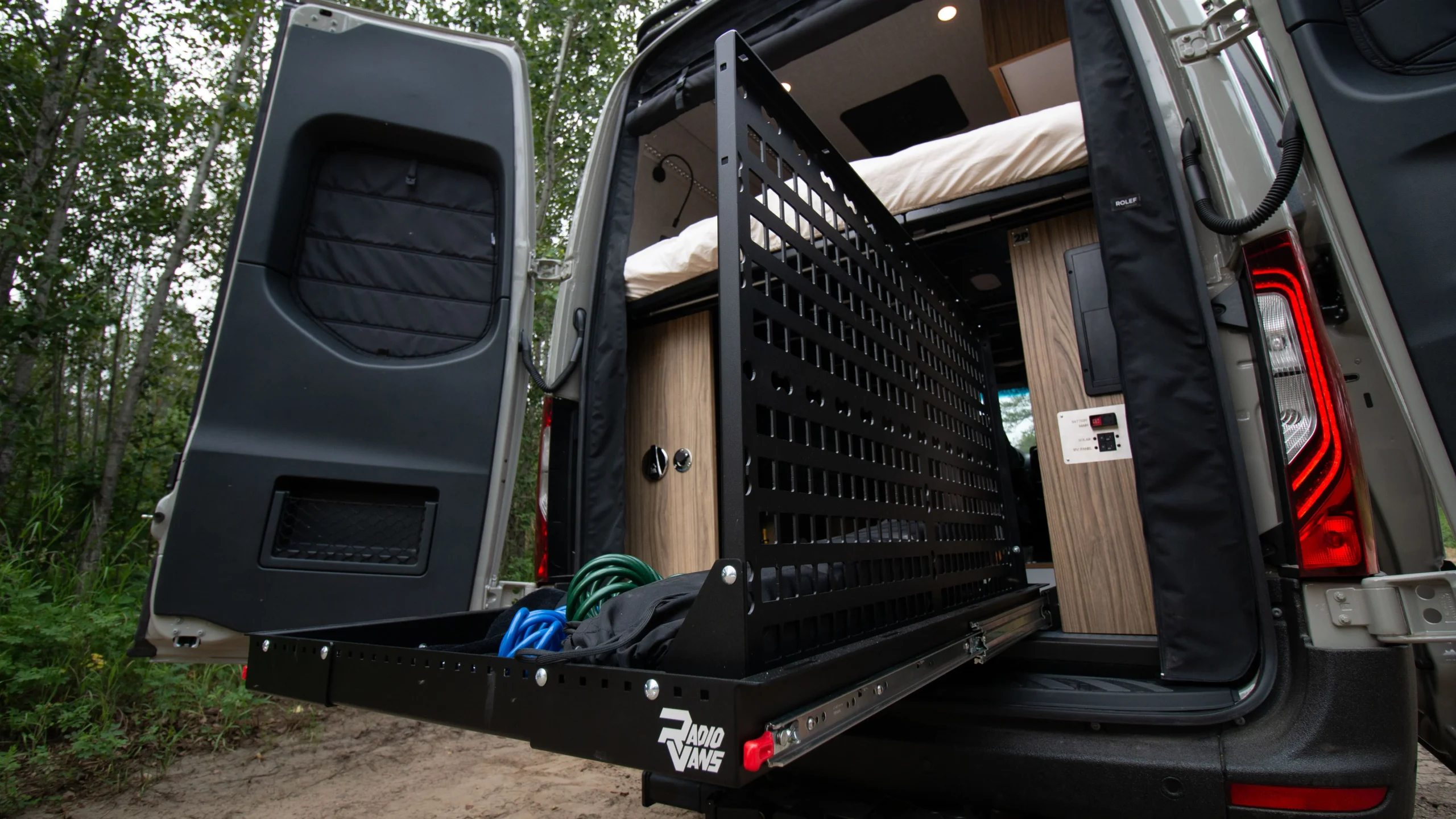
I’ve spent more years than I’d like to count turning plain cargo vans into rolling homes that actually feel livable, not just survivable. The first one was a rusty ’98 Econoline I bought for peanuts because the previous owner had used it for hauling landscaping mulch. I ripped out the nasty carpet, threw in some foam and plywood, and called it good enough for a summer of bouncing around the Rockies. It worked, sort of, until winter hit and I realized “good enough” doesn’t cut it when you’re trying to make coffee without your fingers going numb. That experience taught me the hard truth about van setups: cheap doesn’t have to mean miserable, but functional absolutely has to come first if you want to stay in it longer than a weekend.
Over time I’ve built out four different vans—some on tight budgets under a couple grand, others with a bit more breathing room—and the ones that lasted weren’t the fanciest. They were the ones where every piece served multiple purposes, nothing wasted space, and the whole thing felt like a tiny apartment on wheels instead of a cramped cave. The eleven tips I’m sharing here come straight from those builds, the screw-ups that cost me time and money, and the quiet wins that made long stretches feel easy. These aren’t about flashy solar arrays or custom cabinets from a shop. They’re practical, mostly low-cost ways to make a van function like a real home without breaking the bank or your back.
The first tip that reshaped every build after that initial disaster is prioritizing a smart, tested layout before you touch a single screw. I used to jump in with a vague idea—”bed in the back, kitchen on the side”—and end up tearing things apart three times because the fridge blocked the door or I couldn’t reach the stove without contorting like a pretzel. Now I start with graph paper or even cardboard mockups on the floor. I tape out the footprint of the bed, the galley, any seating, and walk through daily routines: getting dressed, cooking, working if I need to, using the toilet area.
One thing I wish I’d known sooner is to design around your height and habits first. If you’re tall like me, a fixed platform bed that runs the full width eats too much living space during the day. I switched to a convertible setup where the bed folds or lifts, revealing storage underneath or turning into a daytime lounge. In my last build I used simple piano hinges on plywood sections that flip up against the wall during the day—cheap hardware from a big box store, maybe fifty bucks total—and suddenly the rear half felt twice as big. Test the flow: pretend it’s raining and you need to change clothes without banging elbows. Sit where you’d eat or read. If it feels awkward in cardboard, it’ll feel worse in wood. Spend the extra days planning here; it’ll save weeks of rework later.
Insulation comes next, and skimping here is the single biggest regret most budget builders carry. I once used leftover house fiberglass batts because they were free from a reno job. Big mistake. They sagged, trapped moisture, and the van turned into a sweatbox in summer and an icebox in winter. These days I go for rigid foam boards—polyiso or XPS—cut to fit between the ribs. It’s not the fanciest, but layered with Reflectix on the windows and some closed-cell spray foam in tricky spots, it holds temperature way better than cheap fluff.
The clever part is combining materials without overdoing it. I cover the foam with thin plywood or thin luan panels painted white to bounce light around and keep things bright. Total cost for a full cargo van? Usually under three hundred if you shop sales or buy seconds. The difference in comfort is night and day. No more waking up to condensation dripping on your face or running the heater constantly. And yes, I still ventilate properly—more on fans later—but good insulation means you rely less on power-hungry systems to stay comfortable.
Power setup is where a lot of people go overboard or way too minimal. Early on I installed a massive bank of lead-acid batteries thinking more was better. They were heavy, didn’t last, and I spent half my time babysitting them. The smart budget move is starting small and scalable: one or two good lithium cells—around two hundred amp-hours total—paired with a decent solar input. I use flexible panels on the roof because they’re lighter and conform to slight curves without drilling extra holes. A two-hundred-watt setup with a simple MPPT controller keeps lights, phone charging, a small fridge, and a fan going indefinitely in decent sun.
I avoid inverters bigger than a thousand watts unless I really need to run tools. Most daily stuff—laptop, lights, water pump—runs on 12-volt DC direct. That saves efficiency losses and keeps the system simpler. I also added a DC-DC charger from the alternator so driving tops off the house bank without extra solar dependency. The whole setup in my current van cost under eight hundred bucks sourcing used panels and a refurbished battery. It powers real life without constant generator runs or hookup hunting.
Storage is the silent killer of small-space living. Vans look huge empty, then you add gear and it’s chaos. The tip that transformed mine was going vertical and multi-use. I built narrow shelves along the walls using cheap 1×2 furring strips and plywood cutoffs. Instead of deep cabinets that eat floor space, shallow ones let me see everything at a glance. Bins and baskets from dollar stores or thrift shops keep socks, tools, food separated.
Under the bed platform I created a “garage” with removable dividers for bigger items—water jugs, camp chairs, recovery gear. One hack I love is magnetic strips on metal surfaces for knives, tools, or spice tins. Another is tension rods across openings to hang clothes or create instant dividers. In the galley I used stackable drawers from office supply places instead of built-in boxes. They slide out easily and cost a fraction. The goal is everything has a home and nothing blocks pathways. Clutter kills functionality faster than anything.
Kitchen functionality doesn’t need granite or fancy appliances. My go-to is a compact two-burner propane stove on a slide-out tray so I can cook outside when it’s hot or smelly inside. I pair it with a small sink—actually a plastic basin from a camping store—with a foot-pump faucet for water control. Gray water drains into a jerry can underneath that I empty at dump stations or discreetly in nature when legal. For cold storage a twelve-volt compressor fridge beats ice chests every time. They’re efficient, don’t need constant draining, and hold temperature even on bumpy roads. I found mine used for two hundred bucks and it’s been flawless.
Counter space is gold, so I added a flip-up extension that hinges off the main counter—simple plywood with piano hinge—and it doubles as a cutting board when down. Dry goods live in stackable airtight bins to save space and keep bugs out. A small spice rack made from old CD cases glued together hangs on the wall. Cooking stays simple: one-pot meals, grilled stuff, salads. No need for an oven unless you bake bread regularly. The setup lets me eat well without turning the van into a full kitchen nightmare.
Bed comfort is non-negotiable for long-term sanity. Cheap foam mattresses from big stores sag fast and trap heat. I splurged a bit on a proper latex or hybrid mattress topper over a firm base—around three hundred total—and layered it with good sheets and a wool blanket for temperature regulation. Wool wicks moisture and doesn’t smell when damp like synthetics do. I added blackout curtains—Reflectix covered in fabric—for privacy and light control.
The platform itself has slats for airflow underneath to prevent mold. Ventilation here matters: a small 12-volt fan pulls air through if needed. I sleep better in a made bed than on the ground ever did. It’s worth the effort to get this right because poor sleep turns paradise into drudgery.
Bathroom solutions keep things civilized without full plumbing nightmares. I went with a portable cassette toilet for the first builds—easy to dump, no black tank—but upgraded to a simple composting setup using a five-gallon bucket with a separating seat. Peat moss or coir covers solids, urine bottle empties separately. It’s odor-free when managed right and costs under a hundred to set up. For showers I use a solar bag hung outside or a portable propane heater with a pump shower in a pop-up tent. No need for indoor wet baths unless you’re in extreme climates. Keeps water usage low and gray tank issues minimal.
Ventilation and airflow prevent that stale, moldy smell that plagues poorly built vans. I install at least one roof vent fan—MaxxAir or similar—with rain cover. It pulls hot air out in summer, brings fresh in during winter with reverse mode. Side windows with bug screens help cross-breeze. I crack them at night even in cold weather with the fan on low. Condensation is the enemy; good insulation plus moving air beats it. A small dehumidifier bucket with calcium chloride crystals absorbs excess moisture cheaply.
Lighting changes the whole mood. LED strips under cabinets, puck lights on dimmers, and a couple reading lamps make evenings cozy instead of harsh. All 12-volt to save power. I use warm white bulbs—around 2700K—so it doesn’t feel like an operating room. Motion sensors in high-traffic spots save fumbling for switches at night.
Heating and cooling on a budget means no rooftop AC unless you’re parked with hookup often. A small diesel or propane air heater—Chinese brands work fine if you vet them—runs efficiently and quietly. I duct it under the floor for even heat. In hot areas, reflective window covers, good ventilation, and parking in shade do wonders. The key is layering solutions rather than relying on one big system.
Security and stealth matter for freedom. Blackout curtains or removable panels on windows keep the interior hidden. I added simple deadbolts on doors and a steering wheel lock. No flashy graphics or roof racks that scream “camper.” Park smart—blending in means fewer knocks.
Water systems stay simple: twenty to thirty gallons fresh in food-grade jugs or a bladder tank under the van. A Shurflo pump and accumulator give good pressure. Fill from spigots, filter if needed. Gray water to a portable tank or direct drain. No complex plumbing to leak or freeze.
Finally, modularity keeps everything future-proof. Nothing glued permanently if it can be screwed or clamped. Shelves on brackets, removable panels for access to wiring and tanks. When needs change—like adding solar later or swapping fridge—you don’t demolish half the build. This mindset saved me countless times when upgrading on the fly.
These eleven approaches turned my vans from barely tolerable boxes into places I actually look forward to returning to after a long hike or drive. They’re born from trial, error, and living the reality of days turning into months on the road. Start with layout and insulation, build power sensibly, maximize every inch smartly, and keep systems simple. The result isn’t a showpiece—it’s a functional home that lets the journey happen without constant fighting the setup. I’ve got another build in mind already, same principles, tighter budget, better execution. The road keeps calling, and now the van answers back comfortably every time.