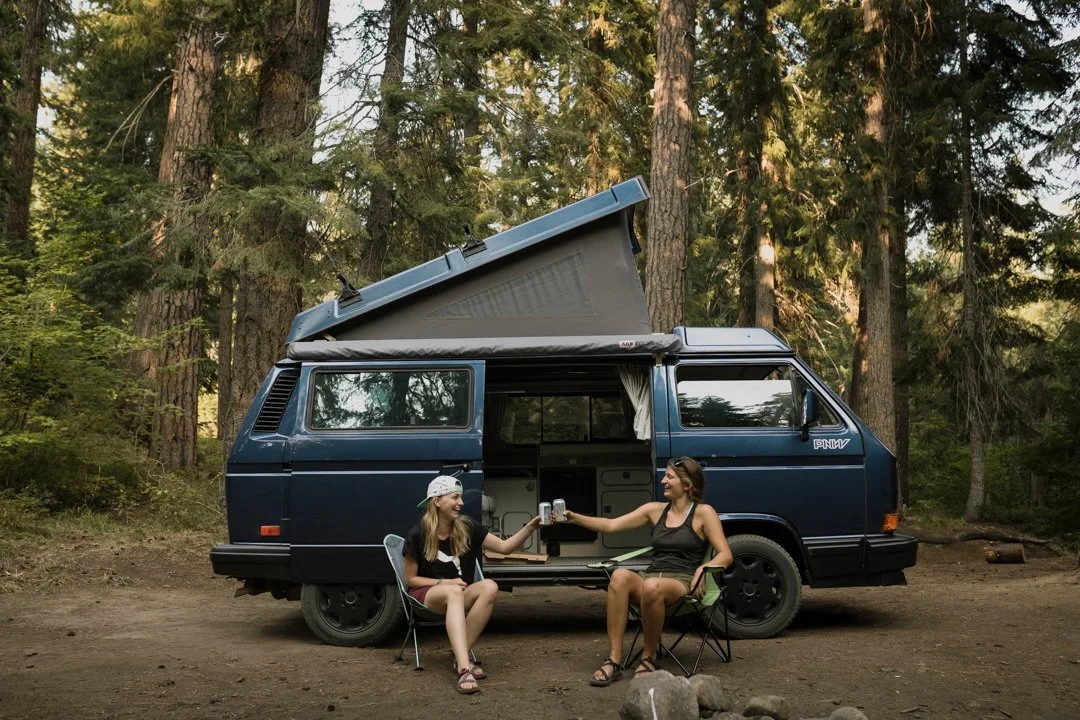
Van travel has quietly become one of the most exciting ways to explore the world without spending a fortune. Instead of expensive hotels, flight tickets, and tightly scheduled itineraries, van journeys offer freedom, flexibility, and a unique connection to nature and local culture.
However, traveling by van does not automatically mean your trip will be cheap. Without the right planning, fuel costs, campsite fees, and food expenses can quickly add up. The secret to successful van travel is not just owning a van—it is knowing how to travel smart.
Whether you are planning a weekend road trip or a long-term van adventure, there are simple strategies that can significantly reduce your costs while improving the overall experience.
In this guide, we will explore 9 simple budget van journey strategies that help travelers enjoy memorable adventures without draining their savings.
1. Choose the Right Van Setup
One of the most important factors in affordable van travel is choosing the right setup. Many people assume they need an expensive camper van with luxury features, but the reality is much simpler.
A basic van with a comfortable sleeping platform, storage space, and minimal cooking gear is often enough for most trips.
Budget-Friendly Van Setup Essentials
| Item | Purpose | Budget Alternative |
|---|---|---|
| Sleeping platform | Comfortable sleeping area | DIY wooden platform |
| Portable stove | Cooking meals | Small camping stove |
| Storage bins | Organizing gear | Plastic containers |
| Rechargeable lights | Interior lighting | USB LED lights |
| Cooler or mini fridge | Food storage | Ice cooler |
Starting with a simple setup allows travelers to focus on the journey rather than expensive modifications.
Many experienced van travelers upgrade their vans gradually as they learn what they actually need.
2. Plan Routes to Reduce Fuel Costs
Fuel is usually the largest expense during van travel. Smart route planning can significantly reduce these costs.
Instead of driving long distances every day, plan routes that allow you to explore multiple attractions within the same region.
Fuel Saving Travel Strategy
| Strategy | Description | Savings Impact |
|---|---|---|
| Cluster destinations | Visit nearby attractions together | High |
| Avoid peak traffic | Drive during off-peak hours | Medium |
| Maintain steady speed | Reduces fuel consumption | Medium |
| Use navigation apps | Avoid unnecessary detours | High |
Slow travel is not only cheaper but also more enjoyable. Spending more time in fewer places allows travelers to experience destinations more deeply.
3. Cook Your Own Meals
Eating at restaurants every day can quickly destroy a travel budget. Cooking simple meals inside or outside the van dramatically lowers daily expenses.
A small camping stove and basic cookware are enough to prepare most meals.
Daily Food Cost Comparison
| Meal Option | Average Daily Cost |
|---|---|
| Restaurants for every meal | $30 – $60 |
| Mix of restaurants and cooking | $15 – $30 |
| Cooking most meals | $5 – $12 |
Even basic meals like pasta, rice bowls, sandwiches, or stir-fried vegetables can save hundreds of dollars over the course of a trip.
Cooking also gives travelers the opportunity to buy fresh ingredients from local markets.
4. Find Free or Low-Cost Parking Spots
Accommodation is one of the biggest travel expenses. Fortunately, van travelers often avoid these costs entirely by finding free or low-cost overnight parking spots.
Many regions offer safe and legal places where travelers can park overnight.
Common Free Overnight Parking Options
| Location | Description |
|---|---|
| Public land | Often free for camping |
| Rest areas | Short overnight stops |
| Large parking lots | Some stores allow overnight parking |
| Beach parking | Allowed in some coastal areas |
| National forest land | Often free or low-cost |
Always check local regulations before parking overnight to avoid fines.
5. Travel During Off-Peak Seasons
Timing your van journey can make a huge difference in costs.
Traveling during peak tourist seasons usually means higher prices for fuel, food, and attractions.
Off-season travel offers several benefits:
- Lower campground fees
- Less crowded destinations
- Better parking availability
- More relaxed travel experience
Seasonal Cost Comparison
| Season | Travel Cost | Crowds |
|---|---|---|
| Peak summer | High | Very busy |
| Shoulder season | Moderate | Moderate |
| Off-season | Low | Minimal |
For many van travelers, the shoulder seasons (spring and fall) provide the best balance between cost and weather conditions.
6. Use Budget-Friendly Travel Apps
Technology can make van travel easier and cheaper.
Several mobile apps help travelers find free campsites, fuel prices, and scenic stops along the way.
Helpful Apps for Van Travelers
| App Type | Benefit |
|---|---|
| Campsite finder apps | Locate free parking spots |
| Fuel price trackers | Find cheaper fuel stations |
| Navigation apps | Avoid traffic and detours |
| Weather apps | Plan safer travel routes |
Using these tools can prevent costly mistakes such as driving long distances for unavailable campsites.
7. Pack Smart and Avoid Overloading
Many new van travelers bring far too many items. Extra weight reduces fuel efficiency and takes up valuable space.
Packing only essential gear keeps the van organized and improves fuel consumption.
Smart Packing Strategy
| Category | Essentials |
|---|---|
| Sleeping | Sleeping bag or mattress |
| Cooking | Stove, pan, utensils |
| Clothing | Layered clothing |
| Safety | First aid kit |
| Navigation | Maps or GPS |
Minimalist packing makes van life easier and reduces travel stress.
8. Combine Work and Travel
Many travelers extend their van journeys by combining remote work with travel.
Even part-time online work can cover fuel, food, or maintenance expenses.
Common remote income options include:
- Freelancing
- Blogging
- Remote customer support
- Online teaching
- Digital marketing
Example Budget with Remote Income
| Expense | Monthly Cost |
|---|---|
| Fuel | $250 |
| Food | $300 |
| Maintenance | $100 |
| Campsites | $50 |
| Total | $700 |
Even modest remote income can make long-term van travel sustainable.
9. Embrace Slow Travel
Perhaps the most powerful budget strategy is simply slowing down.
Driving thousands of kilometers quickly increases fuel costs and travel stress. Slow travel allows van travelers to fully experience each destination.
Benefits of Slow Van Travel
| Benefit | Impact |
|---|---|
| Reduced fuel use | Major savings |
| Less vehicle wear | Lower maintenance |
| Deeper travel experience | More meaningful trips |
| Flexible schedules | Less stress |
Instead of rushing through many locations, slow travel encourages meaningful exploration.
Some of the most memorable travel experiences come from spending extra time in one beautiful place.
Example Budget Breakdown for a 2-Week Van Journey
| Category | Estimated Cost |
|---|---|
| Fuel | $200 |
| Food | $150 |
| Campsites | $50 |
| Attractions | $60 |
| Miscellaneous | $40 |
| Total Cost | $500 |
Compared to traditional travel involving flights and hotels, van journeys can be dramatically more affordable.
Final Thoughts
Budget van journeys are not about sacrificing comfort or adventure. Instead, they are about traveling smarter and focusing on experiences rather than expenses.
By choosing a simple van setup, planning routes wisely, cooking meals, finding free parking, and embracing slow travel, anyone can explore incredible destinations without spending a fortune.
The beauty of van travel lies in its freedom. Every sunrise view, quiet forest road, or coastal parking spot becomes part of the journey.
With the right strategies, your next van adventure can be both memorable and affordable.
Frequently Asked Questions (FAQs)
1. Is van travel really cheaper than traditional travel?
Yes, van travel can be significantly cheaper because it eliminates hotel costs and reduces transportation expenses. Cooking meals and finding free overnight parking also help keep daily expenses low.
2. What type of van is best for budget travel?
A simple cargo van or converted minivan is often the most affordable option. Many travelers start with basic DIY setups instead of expensive camper conversions.
3. How do van travelers find free places to stay overnight?
Travelers often use campsite finder apps, public land areas, rest stops, or store parking lots where overnight parking is allowed. Always check local rules before staying overnight.
4. How much does a typical van journey cost per day?
Daily costs can vary depending on fuel, food, and campsite choices. Budget travelers often spend between $20 and $60 per day.
5. Is van travel safe for beginners?
Yes, van travel can be safe if travelers follow basic precautions such as parking in well-lit areas, checking local regulations, and maintaining their vehicles properly.
6. Can people work while traveling in a van?
Many travelers work remotely while living or traveling in vans. Freelancing, blogging, online teaching, and digital services are common ways to earn income on the road.