Most of what people call free camping isn’t actually free. It costs gas money to get there, a couple of wrong turns down roads that barely qualify as roads, and one uneasy night wondering if you parked somewhere you shouldn’t have. After four winters living out of a converted Sprinter, I’ve sorted the spots that are genuinely free from the ones that just look free right up until a ranger, a security guard, or a tow truck shows up.
This isn’t a list of GPS pins. It’s a breakdown of the categories that actually work, where they tend to be, and what trips people up when they try them for the first time. Budget Van Journeys readers ask about this constantly, so here’s the real version, not the Instagram version.
1. BLM Land in the Desert Southwest
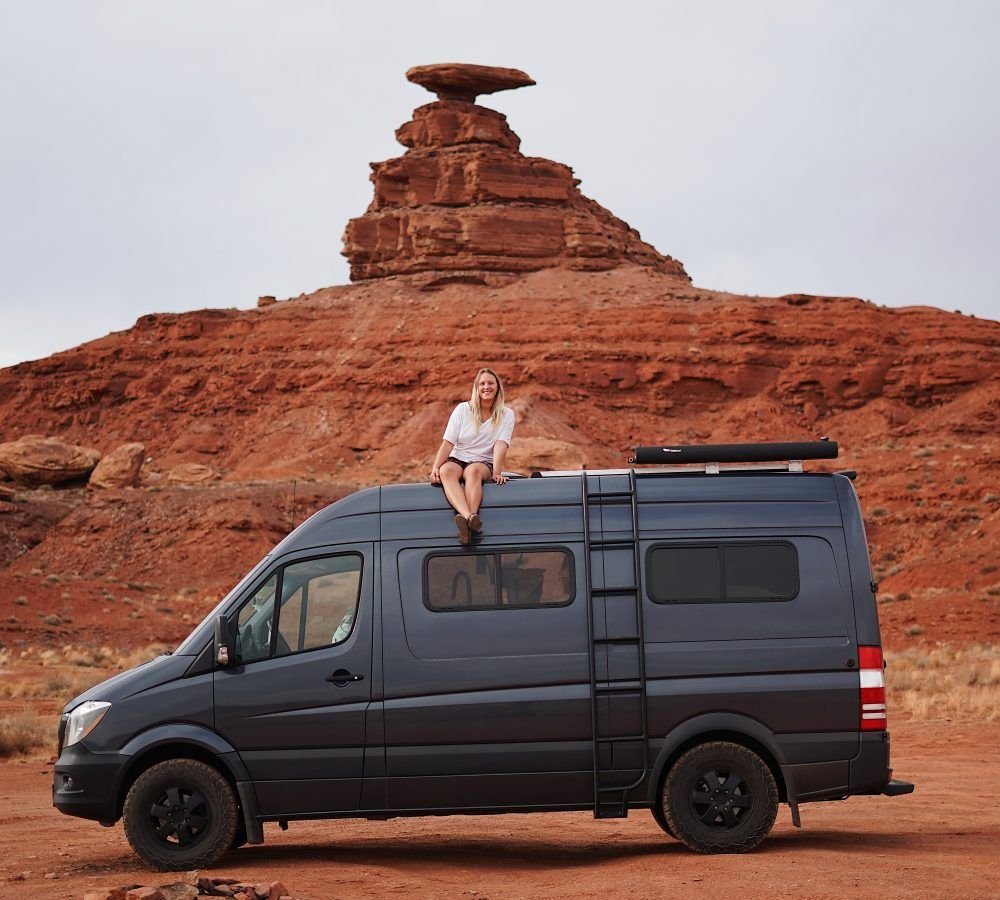
Bureau of Land Management land is the backbone of free camping in the western US. Most of it allows what’s called dispersed camping, meaning you can park almost anywhere that isn’t posted otherwise, for free, usually capped at 14 days before you’re supposed to move at least 25 miles. Arizona, Nevada, and the California desert have huge stretches of it.
Quartzsite, Arizona is the obvious example. Tens of thousands of vanlifers and RVers winter there every year on open desert that costs nothing. There are no hookups, no bathrooms, and often no cell signal depending on your carrier, so you bring water, you bring a way to charge your devices, and you don’t expect anyone to come help you if something breaks.
Here’s where people usually go wrong with BLM land: they assume all public land works the same way. It doesn’t. Some BLM parcels sit right next to land that looks identical but is actually state trust land or private, and the signage is inconsistent at best. Check before you settle in for the night, not after.
For a state-by-state rundown of where this kind of camping is most reliable, Budget Van Journeys put together a guide on the best states for free overnight van camping, and it’s worth a read before you plan a desert loop.
2. National Forest Dispersed Camping
National forests work on a similar principle to BLM land but with more tree cover and, often, more rules around fire. Outside of developed, fee-based campgrounds, most national forest roads allow dispersed camping for free, typically 14 to 16 days depending on the forest. Colorado, the Pacific Northwest, and parts of California have some of the best of it.
The trick is finding a spot that’s already been used. Look for a flattened patch of dirt, maybe an old fire ring, a spot pulled slightly off the main forest road. That’s usually a sign other campers have used it without issue, and it means you’re not creating a new impact on land that didn’t need one.
And this is the part people skip. During dry season, a lot of national forests require a fire permit even for a small camp stove fire, and some ban open flame entirely. I’ve met more than one person who didn’t know that until a ranger pulled up. It’s a five-minute check before you go, and it saves an awkward conversation later.
3. Casino and Truck Stop Parking Lots
This one surprises people who haven’t done it before. A lot of casinos, especially in Nevada, Louisiana, and parts of the Midwest, allow free overnight RV and van parking because they’d rather you spend money inside than drive somewhere else. Truck stops work on a similar logic, particularly the larger chains, though the etiquette is different.
At a truck stop, you park in the area marked for overnight parking, not in the truck lanes, and you don’t run a generator near anyone’s window at 3am. At a casino, you can usually just ask security where overnight parking is and they’ll point you to it without a second thought.
It’s not glamorous. You’re sleeping next to idling rigs and slot machine noise drifting out the doors. But it’s free, it’s well lit, and it’s genuinely one of the safer options for solo travelers, which is more than you can say for some scenic pullouts. If you want a sense of how often experienced vanlifers actually rely on spots like this instead of paid sites, Budget Van Journeys broke down why some vanlifers never pay for a campsite, and the truck stop habit comes up more than you’d think.
4. Big-Box Store Lots
Cabela’s and Bass Pro Shops have a long, semi-official reputation for letting RVs and vans park overnight, since their customer base overlaps heavily with people on the road. Some Walmarts still allow it too, though this has gotten patchier every year as more cities pass ordinances banning overnight lot camping outright.
The only real rule here is to call ahead or check the signage in person rather than assuming. A spot that worked for someone’s blog post two years ago might be banned now. Local ordinances change, store policy changes, and what was fine in one town is towed in the next one over.
This is also where it pays to understand the difference between a spot that’s technically tolerated and one that’s actually allowed, since they’re not the same thing and the consequences aren’t either.
5. Quiet Stretches Found Through Crowd-Sourced Apps
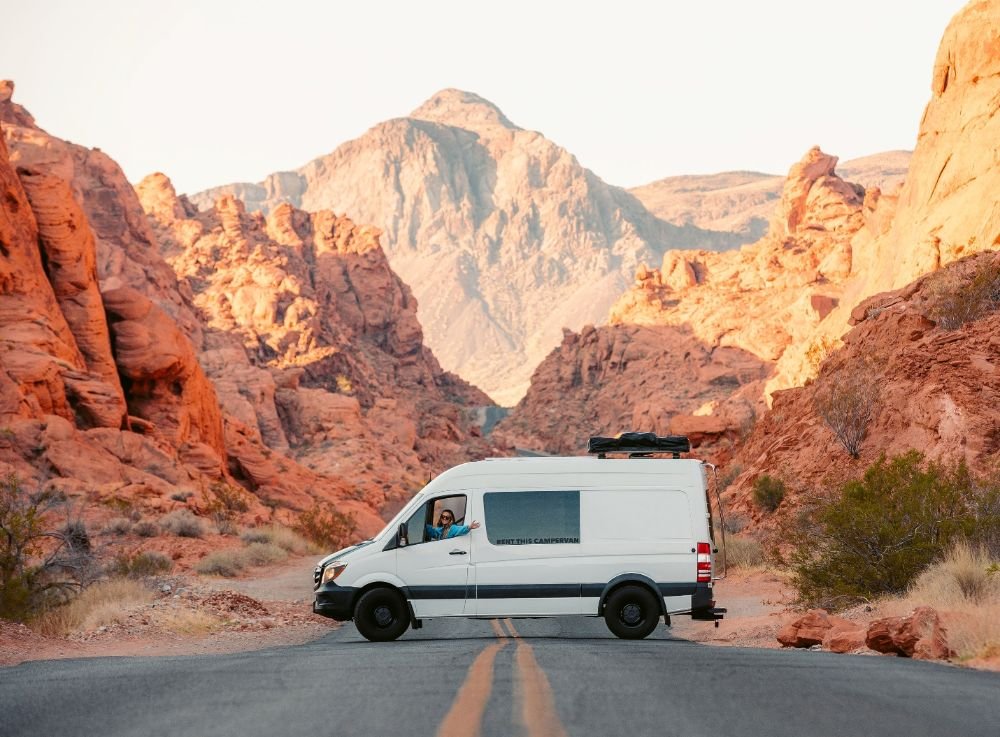
The last category isn’t really a place, it’s a method. Apps like iOverlander, FreeRoam, and Campendium crowd-source free camping spots from people who’ve actually stayed there, including notes on cell signal, road condition, and whether it’s noisy. This is how most experienced van travelers find new spots rather than guessing.
The reviews matter more than the pin. A spot with a string of recent five-star notes from solo travelers is a different bet than one with a single three-year-old review. Read the comments, not just the rating.
Budget Van Journeys tested four of the most popular free camping apps side by side if you want a clearer sense of which one actually earns its spot on your phone. And if overnight parking specifically, rather than rural dispersed camping, is what you’re after, there’s a separate breakdown of free overnight parking apps that actually work worth bookmarking too.
Quick Reference Chart
| Spot Type | Typical Stay Limit | Amenities | Best For |
|---|---|---|---|
| BLM desert land | 14 days | None | Solitude, long stays |
| National forest | 14 to 16 days | Sometimes pit toilets | Cooler weather, trees |
| Casino/truck stop lots | 1 night, sometimes more if asked | Lighting, security | Solo travelers, quick stops |
| Big-box store lots | 1 night, varies by city | None | Quick overnight, errands nearby |
| App-found spots | Varies | Varies, check reviews | Finding the above faster |
A note on something that trips up almost everyone new to this: free doesn’t mean unregulated. Every category above has rules, they’re just unwritten in some cases and posted in others. Learning to read a place, the tire tracks, the signage, the way the lot’s laid out, matters more than memorizing a list of names.
I still get it wrong sometimes. Last winter I pulled into what I was sure was open BLM land outside Tucson, only to realize at sunrise it backed onto a working ranch and the “road” I’d driven in on was someone’s actual driveway. Nobody was upset about it, but it was a reminder that the map is never the whole picture.
If there’s one habit worth building before any of this, it’s calling ahead when a phone number exists, and reading the most recent reviews on an app rather than the highest rated ones overall, since conditions change fast and old praise doesn’t always hold up.
FAQs
Is free camping actually legal? Yes, in most of the categories above, as long as you’re following the specific rules for that land type. BLM and national forest dispersed camping are explicitly legal within their stay limits. Lot camping at stores or casinos depends entirely on local ordinance and individual store policy, so it’s legal where it’s allowed and a quick way to get towed where it isn’t.
How long can you stay at one free camping spot? On BLM and national forest land, typically 14 to 16 days before you’re required to move a set distance, often 25 miles. Lot camping is usually meant for a single night, even where it’s tolerated.
Do you need a permit for BLM land? Not for the camping itself in most cases. You may need a separate fire permit during dry season in some areas, and a handful of specific BLM zones do require a visitor permit, so it’s worth a quick check for the area you’re headed to rather than assuming none of it applies.
What’s the safest type of free camping for solo travelers? Casino and truck stop lots tend to feel safer for solo travelers because they’re lit, busy, and have some form of security on site. Remote BLM or forest spots are quieter but you’re more on your own if something goes wrong.
Can you run a generator at a free campsite? On BLM and national forest land, generally yes during reasonable daytime hours, though some specific areas restrict it seasonally. At lots and truck stops, it’s best avoided entirely unless you’re parked well away from other vehicles, since noise complaints are the fastest way to lose access to a spot everyone else is also relying on.
For a fuller look at how the savings actually stack up over a season, the cost breakdown comparing free camping against paid sites is worth a read before your next long stretch on the road.