Most weekend van trips go over budget at the campground booking, not the gas station.
That’s the thing people get backwards when they start planning. They calculate fuel, they feel okay about it, they book the trip, and then the $35 entrance fee and the $45-per-night campsite show up in the total and suddenly a $200 weekend is $280 before they’ve bought a single bag of groceries. The routes below work specifically because the camping is free, and all the fuel math was done before the headline destination was chosen, not after.
Four routes. Real numbers. Fuel costs based on a van averaging 19 to 21 mpg, food based on cooking from the van with no restaurant stops, camping based on BLM or National Forest dispersed sites with no fee. If your van gets 14 mpg and you eat out every meal, adjust accordingly.
1. The Numbers Before the Routes
A $200 weekend budget has to cover four things: fuel, overnight fees, food, and a buffer for the costs you didn’t plan for, a toll road, a propane refill, an entrance fee you forgot to look up. Leave nothing unaccounted for, because the buffer is usually what separates a trip that comes in under budget from one that comes in at $240 and you’re not quite sure how.
For a 300-mile round trip in a van at 20 mpg, you’re burning 15 gallons. At a national average fuel price of roughly $3.40 to $3.60 per gallon, that’s $51 to $54. Add $35 to $50 for two days of food cooked in the van, and you’ve spent roughly $86 to $104 before a single night of camping. That leaves $96 to $114 for two nights of sleeping somewhere, which is exactly enough for two nights of free dispersed camping and still have money left.
Paid campsites change this calculation fast. Two nights at $35 per night adds $70 to a budget that already has $86 in committed costs, leaving $44 for food and buffer on a 300-mile trip. That’s possible but unforgiving. Two nights at $45 per night and you’re over $200 before you eat anything.
Budget Van Journeys has a full breakdown of free vs. paid camping across a longer trip if you want to see how those costs compound over a week. For a weekend, the short version is: either both nights are free, or the route needs to be short enough that fuel costs are very low.
Weekend Route Cost Snapshot
| Route | Est. Round Trip | Est. Fuel | Camping (2 nights) | Food (2 days) | Total Range |
|---|---|---|---|---|---|
| Eastern Sierras, CA | 480-540 mi | $115-130 | $0 (BLM dispersed) | $35-45 | $150-175 |
| Ozark National Forest, AR | 150-200 mi | $26-36 | $0 (NF dispersed) | $30-40 | $56-76 |
| George Washington NF, VA | 200-260 mi | $36-50 | $0 (NF dispersed) | $35-50 | $71-100 |
| Verde Valley / Prescott NF, AZ | 240-280 mi | $45-56 | $0 (NF dispersed) | $35-45 | $80-101 |
All fuel figures assume 20 mpg and $3.40-3.60/gal (California estimated at $4.50/gal). Food assumes full van cooking, no restaurant stops.
2. Eastern Sierras, California (Starting Point: Greater LA Area)
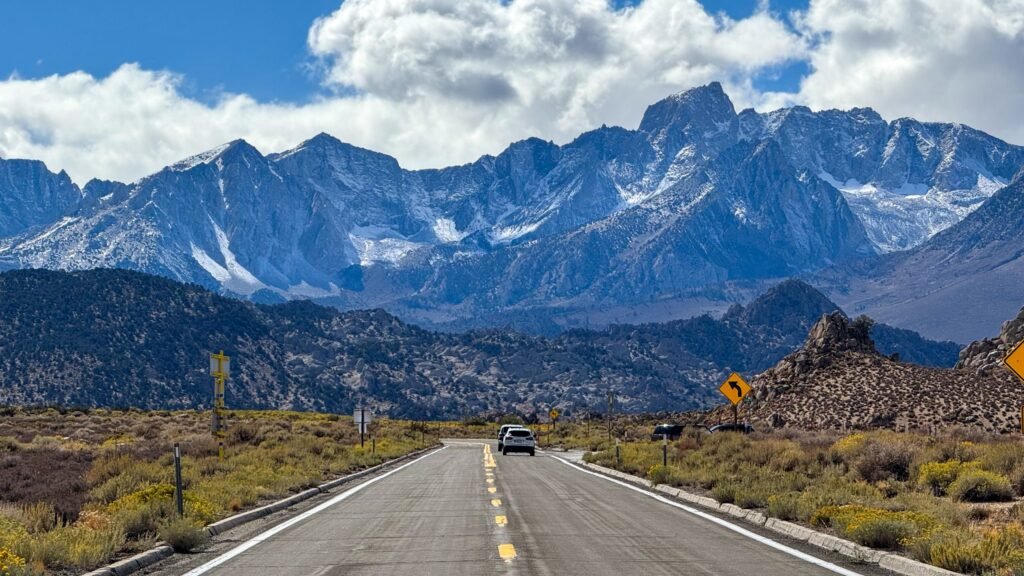
This is the most fuel-expensive route on the list because of California’s gas prices, but it still clears the $200 ceiling if you camp on BLM land and cook your food. Bishop sits roughly 260 miles north of Los Angeles on US-395, which means a round trip of about 520 miles. At 20 mpg that’s 26 gallons, and at California’s current average of around $4.50 per gallon, fuel runs approximately $117. That’s the biggest single cost on this trip. Everything after it is manageable.
Free dispersed BLM camping in the Owens Valley is genuinely extensive and well-documented. The area around Buttermilk Road, heading west out of Bishop toward the Sierra foothills, has flat dispersed camping used year-round by climbers and van travelers. The Alabama Hills near Lone Pine, about 60 miles south of Bishop, are perhaps the most famous free camping area in the California desert, with marked dispersed camping on BLM land that requires no reservation and no permit. If you’re arriving on a Friday evening in summer, there will almost certainly be other vehicles already camped there, which makes it straightforward to identify usable spots.
The Ancient Bristlecone Pine Forest in the White Mountains east of Bishop is worth a day trip, though the road up to Schulman Grove climbs to 10,000 feet and road conditions should be confirmed in advance. The visitor center is free, the road is paved to the main grove, and it’s genuinely one of the stranger and more memorable places accessible from a weekend van trip out of LA.
Two nights of free BLM camping, $35 to $40 in groceries from a Bishop supermarket, and $117 in fuel puts this weekend at $152 to $157 total. That’s real.
The mistake people make on this route is adding a side trip toward Mammoth Lakes or June Lake, where campground competition is intense, reservations fill months ahead, and fees run $40 to $50 per night. The BLM land a few miles east of that corridor accesses the same mountain scenery at no cost. Planning the route around the free camping rather than around the named destination keeps the numbers clean.
3. Ozark National Forest, Arkansas (Starting Point: Little Rock or Fayetteville)
This is the cheapest route on this list by a significant margin, and it’s underused compared to what it offers. The Ozark National Forest covers over 1.2 million acres of Arkansas, dispersed camping is permitted throughout most of it at no cost, and the fuel distances from both Little Rock and Fayetteville are genuinely short. From Little Rock, the Boxley Valley area along Arkansas Highway 21 runs about 100 miles each way, burning 10 gallons round trip, around $34. From Fayetteville, it’s closer to 60 miles, which is $20 in fuel. Either way, this is a weekend that can come in under $80 total without any meaningful sacrifice on the experience.
The Boxley Valley itself is worth noting specifically: it’s a working valley flanked by forested bluffs, with the Buffalo National River running along the base of the terrain and a road that follows it through small towns and past farmland. It’s not a named attraction in the way that Glacier or the Grand Canyon are named attractions, and that’s part of why it works for a budget weekend. There are no entrance gates, no reservation systems, no fee stations. You drive in and find a spot in the national forest that looks right.
Eating well on this trip requires almost no creativity. Jasper, Arkansas, which sits near the heart of the route, has a grocery store. Buying two days of cooking supplies there and setting up a camp kitchen costs $30 to $40 without stretching. A van grocery strategy built around $15 a day works in small-town Arkansas better than almost anywhere else because the baseline food prices are lower than national averages.
The Blanchard Springs area within the forest has a developed campground with fees ($20 to $25 per night) and access to the caverns, but dispersed camping a few miles away puts you in the same forest with the same river access at no cost. It’s worth knowing the fee campground exists if weather turns or you need hookups, but it’s not necessary.
4. George Washington National Forest, Virginia (Starting Point: Washington DC Metro)
There’s something slightly absurd about the fact that one of the country’s most expensive metro areas sits within two hours of free mountain camping in a national forest, but that’s the geography of Virginia, and most of the people I’ve spoken with who live in the DC area either don’t know about it or default immediately to Shenandoah National Park instead. I understand why. Shenandoah is obviously beautiful and it’s the instinctive answer when someone in DC thinks “mountain escape.” But the $35 per vehicle entrance fee it charges, added to a campsite that runs $20 to $30 per night, puts it in a different budget category entirely.
George Washington and Jefferson National Forests run parallel to Shenandoah, to the west, and free dispersed camping is permitted in most districts. The Wolf Gap area near the Virginia/West Virginia border, about 120 miles from central DC, sits on a ridgeline with forest road access and a small fee campground ($10/night) alongside adjacent dispersed areas where no fee applies. The drive out there takes you through the Shenandoah Valley floor and into quieter terrain with very little traffic on weekends.
Ramsey’s Draft Wilderness, further south near Staunton, is another option. Free camping sits adjacent to the wilderness boundary, and the trail system there is better than most people outside Virginia know about. From DC, the round trip to this area runs about 300 miles, roughly 15 gallons, around $51 at Mid-Atlantic fuel prices.
Two nights of free camping plus $51 in fuel plus $40 in groceries comes to $91. There’s almost no realistic way to run this trip close to $200 unless you stop for meals in Charlottesville or Staunton on the way through, which is easy to do because both towns are right on the route and both have good food. But stopping once for dinner adds $25 to $40 to the total, and stopping twice essentially doubles the food budget. The margin on this route is the largest of any route listed here, which is also the reason it’s the easiest to erode.
5. Verde Valley / Prescott National Forest, Arizona (Starting Point: Phoenix)
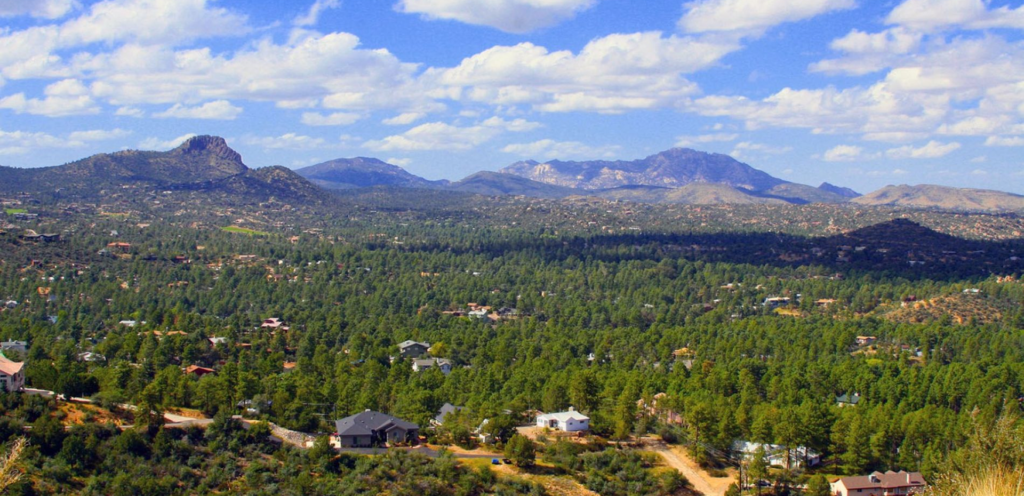
The Verde Valley sits about 110 miles north of Phoenix along I-17, and the combination of Prescott National Forest to the west and Coconino National Forest to the north gives this route two separate free camping options without requiring any route deviation. Cottonwood is the practical base town, sitting between Sedona to the north and Prescott to the south, with a grocery store, a gas station, and easy access to forest roads in both directions.
The Mingus Mountain area in Prescott NF, accessible from Cottonwood via Jerome and Highway 89A, sits at around 7,000 feet and allows dispersed camping throughout the forest outside of developed areas. For Phoenix-based travelers doing this trip in late spring or early fall, the elevation makes overnight temperatures comfortable in a way that the valley floor doesn’t. Summer weekends at lower elevations in Arizona are genuinely hot through the night, and this route’s usefulness between June and September depends significantly on camping at elevation rather than in the valley.
From Phoenix, a 240-mile round trip burns about 12 to 13 gallons, around $45 to $48 in fuel. Cottonwood grocery shopping keeps food at $35 to $45. Knowing which free parking apps show current forest road conditions matters on this route more than most, because forest road access changes seasonally and after rain.
Budget Van Journeys readers who’ve completed this loop report totals of $85 to $115 consistently, provided they bypass Sedona or limit it to a brief stop. Sedona is 15 miles from Cottonwood, it’s easy to drive through, and everything in the town is priced at visitor rates. The trailhead parking fees alone, which now range from $3 to $12 per day depending on the specific area, add costs that aren’t in the original plan. The scenery immediately adjacent to Cottonwood and up into the forest is comparable to what you get in Sedona anyway, just without the overhead.
6. Where Weekend Routes Most Often Go Over Budget
The pattern is consistent: it’s not the fuel. Fuel is calculable in advance, it rarely surprises anyone, and it scales predictably with distance. What breaks a weekend van budget is the combination of entrance fees and paid campsite fees, each of which seems manageable in isolation but together consumes the majority of the available budget before food and fuel are even considered.
A national park with a $35 entrance fee plus a $40/night campsite represents $115 in committed costs across a two-night weekend. That leaves $85 for fuel and food on a $200 total, which is tight for any route over 200 miles and impossible for the Eastern Sierras from LA. The routes above are built specifically around where the free camping is, not around which destinations have the best marketing.
The second most reliable budget-breaker is unplanned mileage. Every extra 50 miles in a van adds $8 to $10 in fuel. A weekend that adds three or four detours, because a sign pointed somewhere interesting or because someone wanted to see what was over the next ridge, can add $40 to $60 in fuel costs that weren’t in the original number. On a trip with $50 in fuel margin, that’s meaningful. The guide to cutting fuel costs on a van road trip is framed around longer journeys, but the same logic about steady highway speeds and avoiding unnecessary engine stops applies on a two-day loop.
The routes that reliably come in under $200 have one structural quality in common: the person knew where they were sleeping before they left, and that place was free.
FAQs
Do these routes work in any season, or are some better at specific times of year?
The Eastern Sierras route has the most seasonal restriction; Bishop and the Alabama Hills are accessible year-round, but temperatures at BLM dispersed sites can drop well below freezing in January and the White Mountain road closes in winter. The Ozarks are usable year-round at low elevations with snow being uncommon. George Washington NF peaks in late September through early November for fall color but is accessible in any season. The Verde Valley/Prescott route is best October through May; summer camping works if you’re at elevation, but the valley floor runs hot through the night.
Can two people do these weekends together and stay under $200 combined?
For fuel and camping, yes, since those are per-vehicle costs. Food scales by person, so a two-person trip adds roughly $30 to $50 in food compared to solo. The Ozarks and George Washington NF routes have enough margin that two people come in well under $200 without any real adjustment. The Eastern Sierras route is the tightest for two people because of California fuel prices; it’s achievable but leaves very little buffer for any extra spending.
What’s the minimum van mpg for the Eastern Sierras route to stay under $200?
At California fuel prices of ~$4.50/gallon and a 520-mile round trip, you need 18 mpg to keep fuel under $130, which leaves enough room for free camping and moderate food costs. A van getting 15 mpg spends about $156 on fuel alone, which technically still allows a sub-$200 weekend if every other cost is minimized, but there’s almost no margin for anything unplanned. Vans getting 14 mpg or less are better matched to the Ozarks or George Washington NF routes, where fuel distances are shorter and the budget math is more forgiving.
Are dispersed camping permits required for any of these locations?
None of the dispersed camping areas mentioned here required permits as of mid-2026, but regulations change and temporary restrictions apply around holiday weekends. The most current information comes from the specific ranger district websites for each national forest, and community-updated apps like The Dyrt or iOverlander reflect recent changes more quickly than official websites typically do. Confirming before you leave matters, especially for the first trip on any new route.
What’s the fastest way to find free dispersed camping spots on a specific route?
Cross-referencing two sources tends to be more reliable than relying on one. The Dyrt and iOverlander are the most widely used community-sourced apps for this; FreeRoam is useful specifically for US public land. Google Earth overlaid with BLM and national forest boundaries gives a rough picture of where dispersed camping is generally permitted. For any route in the western US, the BLM’s online maps show land status and confirm whether a given area is open to dispersed use. It takes about 20 minutes to verify a weekend’s worth of camping before leaving, and it’s the 20 minutes that determines whether the trip comes in under budget.