Staying clean in a van is easier than most people expect. I know that sounds dismissive of a real concern, so let me be more precise: it requires a system, not a shower. The moment I stopped thinking about hygiene as something needing a plumbed-in solution and started thinking about it as a rotating set of habits and outside resources, the anxiety around it dissolved pretty quickly.
That shift took me roughly three days on my first extended van trip to arrive at. Three uncomfortable days that had nothing to do with the actual cleanliness situation and everything to do with not having thought it through properly before leaving.
1. The First Week Was the Real Education
I had read the guides before that first trip. I had a portable camp shower (foot pump, hanging bag, the full set), a generous supply of dry shampoo, and a loose plan to find campsites with facilities when I needed them. What I hadn’t done was think through the logistics in any real detail. Where would I find water to heat for the camp shower? Where exactly would I use it? What happens in a car park in the rain?
The camp shower got used twice. It works, technically. But setting it up demands space, privacy, warmth, a flat surface, and the right water supply all at the same time, and those conditions rarely align during a day that involves actually going somewhere. On day four of that trip, it went under the sleeping platform and largely stayed there.
What actually fixed things was joining a gym. I’d seen this recommendation in passing and dismissed it as too obvious, too simple, not the clever van life hack I was expecting. A monthly PureGym or The Gym Group membership costs around £20 to £25, covers unlimited visits to any branch in the UK, and there are branches in most towns large enough to have a supermarket. I signed up on day four and the hygiene problem essentially stopped being a problem. Morning routine: park nearby, shower, have coffee somewhere, get on with the day.
But the gym isn’t always the answer. Weeks that took me deep into rural Scotland or onto the west coast of Wales taught me the other half of the system.
2. What Actually Works Outside the Gym
Public swimming pools and leisure centres fill the rural gaps. A swim-and-shower session costs £3 to £5 at most public pools, and even if you’re not swimming, some reception desks will sell a shower-only pass for a couple of pounds. Worth asking directly rather than assuming the answer.
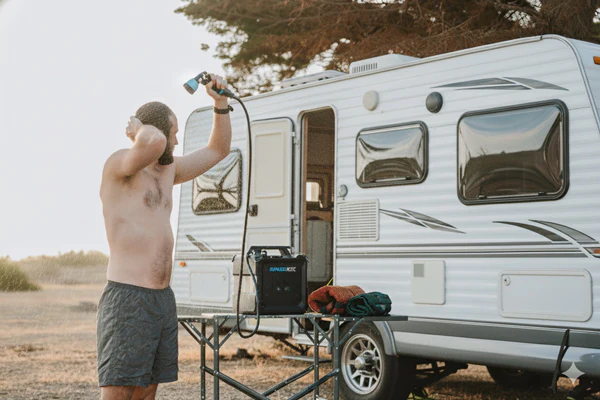
Solar shower bags are the outdoor solution most guides recommend first, and in the right conditions they genuinely deliver. A 20-litre black bag left in direct sun for two or three hours gives you a warm rinse. In southern France in July, this is perfectly reasonable. In a Scottish October, it’s an act of optimism. Know the trip before committing to this as a main strategy.
The strip wash is the option nobody wants to write about because it isn’t glamorous, but it’s what got humans through most of recorded history and it works. A small collapsible bowl, a kettle for warm water, a flannel, privacy. Eight minutes and you’re done. I do a strip wash after long driving days when a shower isn’t convenient and it’s absolutely fine. Not every day needs a full shower.
Wild swimming gets mentioned constantly in van life content and deserves to be here, but with a caveat. It’s real and it’s wonderful and it refreshes you completely. But it’s not a hygiene system. It depends on being near good natural water, the temperature is often bracing, and using soap in rivers or lakes is something to avoid or do very carefully. Swim because it’s one of the better parts of van life. Don’t rely on it for cleanliness.
One thing most people don’t think to try: non-guest campsite showers. Many campsites let you use their shower block for £2 to £4 if you turn up in the morning and ask at reception. Not all of them, but enough that it’s worth factoring in when you’re somewhere rural with no gym or pool nearby. Budget Van Journeys covers campsite options in more detail elsewhere, but this particular one goes underused because people assume you can only access a campsite if you’re sleeping there.
3. Hair, Skin, and the Bits That Actually Trip People Up
Hair is the hardest part and I say that having tried various approaches over multiple trips. Dry shampoo is genuinely useful for two days. Maybe three if your hair is naturally dry and you haven’t been sweating. After that, it’s not a solution anymore, it’s a buildup that a proper wash needs to address. I found this out the hard way on a rainy Tuesday somewhere near York and I’ve been fairly honest about the dry shampoo limits with myself ever since.
Washing hair without a proper shower is awkward but manageable. Leaning over a bowl, using a jug to pour water, having a towel on the floor: it works. Some van builds include a small sink with a spray hose attachment specifically for this, which is a sensible design choice if space allows. Short hair removes this problem almost entirely, which is not a recommendation so much as a fact worth knowing before a longer trip.
Skincare compresses well. Most routines can be reduced to cleanse, moisturise, and SPF without any real skin consequences. Micellar water cleanser works without running water and does the job. SPF matters more in a van than in a house, because long driving days mean extended UV exposure through the windscreen and side windows, and that adds up over weeks.
Oral hygiene is actually the non-issue it should be and I mention it only because it comes up in van life conversations with a seriousness it doesn’t really warrant. A brush, toothpaste, a cup of water, and a door to spit outside. That’s it. Some things don’t change.
4. The Van Itself Has Feelings About This Too
Personal hygiene is one half of staying clean in a van. The other half is not letting the van develop its own distinct character over time. Two people, damp clothes, cooking smells, and insufficient airflow create something memorable after a few days, and not in a good way.
Ventilation does most of the work. A roof vent cracked overnight clears overnight breath and residual cooking smells before they settle. Damp towels and wet clothes need to leave the van to dry whenever there’s an opportunity rather than being stored inside. This sounds obvious but the habit takes a few trips to form properly.
Laundry timing matters more than people anticipate. Leaving it until you’ve run out of clean clothes means you’re carrying a growing smell problem for several days before you address it. A laundromat session every four or five days, even when you don’t feel like stopping, keeps that from developing. It takes about 90 minutes and costs a few pounds. Budget Van Journeys gets into the general rhythm of extended van living in more depth in other posts, but the laundry cadence is genuinely one of the things that separates comfortable multi-week trips from miserable ones.
Bedding deserves its own mention. The space you sleep in for eight hours a night becomes the smell issue faster than anywhere else in the van if it’s neglected. Airing bedding outside on dry mornings, changing pillowcases regularly, using a washable mattress protector: these are small things that take very little time and matter quite a lot.
SHOWER OPTIONS: PROS AND CONS AT A GLANCE
Gym Membership (PureGym, The Gym Group, etc.) Pros: Consistent hot water, no weather dependency, around £20 to £25 a month for unlimited access, broad UK coverage, good for building a daily routine Cons: Useless in very remote locations, branches clustered in towns so rural trips need backup options
Solar Shower Bag Pros: One-off cost of £12 to £20, genuinely works in warm sunny weather, needs no infrastructure Cons: Entirely weather dependent, awkward for privacy in most spots, cools quickly once out of the sun, not reliable for UK winter
Campsite Shower (Non-Guest) Pros: Good coverage in rural areas where gyms and pools don’t reach, proper shower room, usually inexpensive Cons: Not all campsites offer it, requires locating a site first, policies vary
Strip Wash (Bowl + Flannel + Kettle) Pros: Works in any weather or location, essentially zero cost, quick once the habit is formed Cons: Doesn’t replace a full shower for more than a day or two during active trips, requires heating water
Wild Swimming Pros: Free, genuinely refreshing, one of the genuine pleasures of van travel Cons: Location dependent, cold, not a hygiene system on its own, soap use in natural water should be avoided
FAQs
How often do people in vans actually shower on a long trip? Most people doing extended van travel shower every one to three days and fill the gaps with strip washes. Frequency shifts based on how active the days are, what the weather is doing, and how close to facilities you happen to be. There’s no universal answer, just whatever rhythm works with where you are.
Is a gym membership really a sensible thing to get just for showers? For UK van travel, it’s one of the most sensible things you can sort before leaving. At £20 to £25 a month for unlimited access to branches across the country, the maths are good compared to paying per visit at pools and leisure centres. Many people end up actually using the gym equipment too after a few weeks.
What portable shower actually works in a van? For warm-weather trips, a 20-litre solar bag is hard to beat for cost and simplicity. For a van with a built-in water system, a 12V pump connected to a tank with a basic handheld spray head is a common setup. The foot-pump hanging bag showers are functional in the right conditions but fiddly enough in practice that many people stop using them after the first few trips.
Do you genuinely need a fixed shower built into the van? No. A fixed shower takes up significant space, needs a larger water tank, and creates a grey water disposal issue on top of that. Many people do months or years of van travel without one. The external options cover the need more flexibly and leave more room in the build for storage or living space. It’s a comfort decision, not a necessity.
What’s the best thing to do about smell in the van generally? Ventilation is the main answer: a roof vent cracked at night, damp items dried outside rather than stored inside, and a regular laundry schedule. Budget Van Journeys covers van ventilation and condensation in more detail in the build guides if that’s an area worth going deeper on for your setup.
The hygiene concern that looms before a first van trip almost always turns out to be larger than the reality. Not because the reality is effortless, there are cold camp showers and awkward strip washes and at least one very unfortunate dry shampoo miscalculation somewhere in most people’s van history, but because the system, once built and habitual, stops requiring much thought.
The gym card stays in the wallet. The solar bag goes in the back window when the weather allows. Everything else fills in around it.