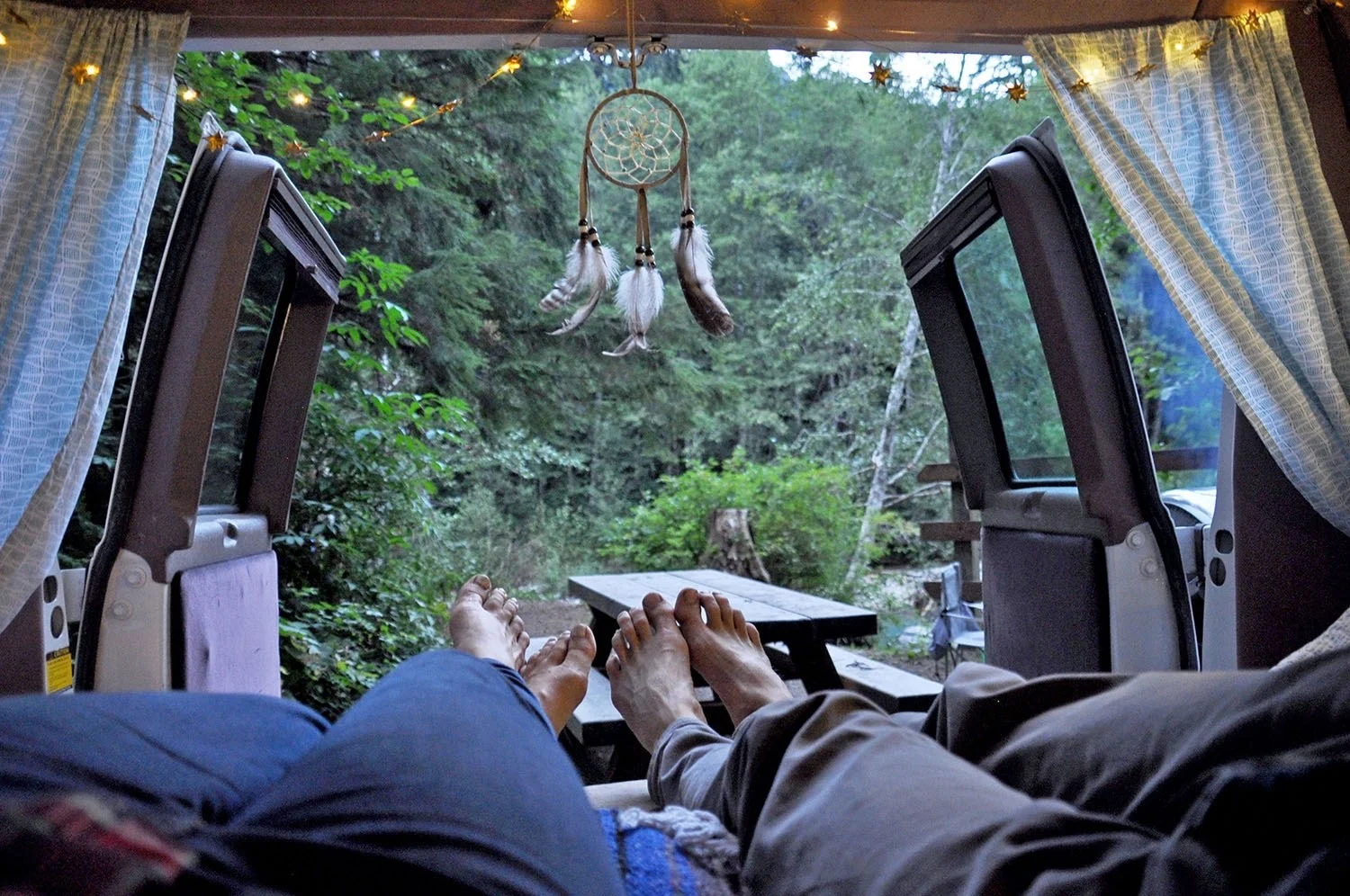
There’s something quietly rebellious about choosing a van over a hotel, a roadside meal over a polished restaurant, and an open road over a fixed itinerary. A one-week budget van journey isn’t just about saving money—it’s about redefining what travel feels like when comfort is replaced with creativity and routine is replaced with motion.
For many, the idea sounds romantic but impractical. Questions arise immediately: Where do you sleep? How do you manage food? What about fuel costs? Yet, thousands of travelers have discovered that with a little planning and a flexible mindset, a week-long van journey can cost less than a typical weekend getaway.
This guide breaks down how to make it work—practically, realistically, and without sacrificing the joy of the experience.
understanding the tiny budget mindset
Before planning routes or packing gear, the most important shift happens in mindset. Budget van travel is not about cutting corners blindly; it’s about prioritizing value over convenience.
Instead of asking, “What’s the cheapest option?” you begin asking, “What gives me the most experience for the least cost?”
That distinction matters. A slightly longer route might save fuel. Cooking your own meals might reduce expenses while adding a layer of experience. Sleeping in a scenic but free location might outweigh the comfort of a paid campsite.
This mindset transforms constraints into opportunities.
the realistic cost breakdown for 1 week
Let’s address the core concern: how much does a 1-week budget van journey actually cost? The answer depends on location, fuel prices, and personal habits, but a structured estimate helps set expectations.
table: weekly budget overview (low-cost scenario)
| Category | Estimated Cost (USD) | Notes |
|---|---|---|
| Fuel | $40 – $80 | Depends on distance and vehicle efficiency |
| Food | $35 – $70 | Cooking most meals yourself |
| Parking/Camping | $0 – $30 | Mostly free spots, occasional paid stays |
| Water & Essentials | $10 – $20 | Refills, hygiene supplies |
| Miscellaneous | $10 – $25 | Emergencies or small treats |
| Total | $95 – $225 | Entire week |
For travelers in regions with lower fuel and food costs, this number can drop even further. The key is consistency in spending habits rather than occasional splurges.
choosing the right van without overspending
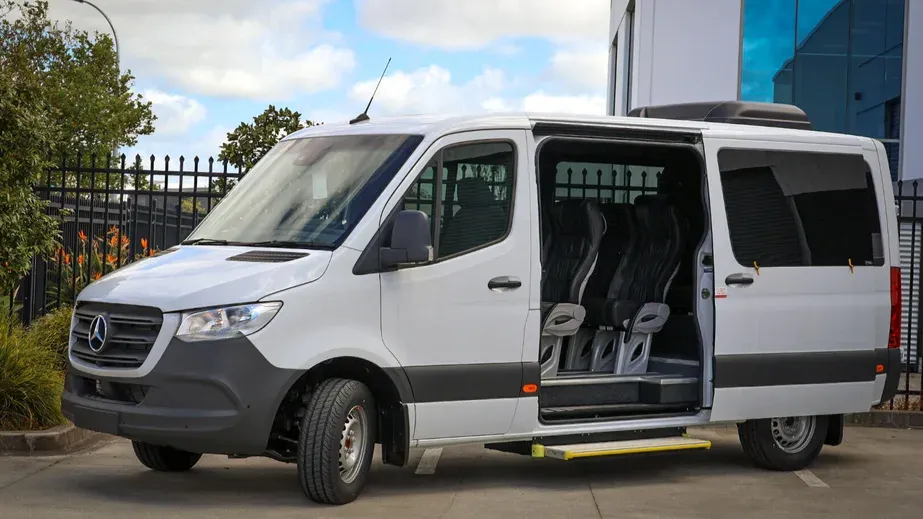
You don’t need a luxury campervan with solar panels and built-in kitchens. In fact, many successful budget travelers use basic vehicles—sometimes even small vans or modified cars.
What matters more than size or design is efficiency. A fuel-efficient vehicle reduces your biggest recurring cost. Reliability also matters; unexpected repairs can destroy a tight budget.
If you already own a vehicle, start there. A simple mattress, a few storage boxes, and basic ventilation can transform almost any vehicle into a temporary home.
table: vehicle setup comparison
| Setup Type | Cost to Prepare | Comfort Level | Best For |
|---|---|---|---|
| Basic car setup | $20 – $50 | Low | Solo travelers, short trips |
| Minimal van build | $50 – $150 | Medium | Budget-focused travelers |
| Advanced setup | $200+ | High | Long-term travel |
sleeping smart: where to stay for free
Accommodation is where van travel truly shines. With the right approach, you can eliminate lodging costs entirely.
The safest and most practical free sleeping spots often include:
- Quiet residential streets (where allowed)
- 24-hour parking areas
- Rest stops
- Remote natural areas
The trick is rotation. Don’t stay in the same spot repeatedly, and always arrive late and leave early when in urban areas.
Safety and discretion matter more than comfort. A slightly less scenic spot that feels secure is always the better choice.
chart: safety vs comfort trade-off
| Location Type | Safety Level | Comfort Level | Cost |
|---|---|---|---|
| Residential area | High | Medium | Free |
| Highway rest stop | Medium | Low | Free |
| Scenic nature spot | Medium | High | Free |
| Paid campsite | High | High | Paid |
food strategies that actually save money
Food can quietly become the biggest expense if not managed carefully. The solution isn’t to eat less—it’s to eat smarter.
Simple meals work best: rice, eggs, vegetables, bread, and canned goods. These ingredients are cheap, versatile, and easy to store.
Cooking once and eating twice is another effective strategy. Preparing larger portions reduces both cost and effort.
Street food can also be a good option in many regions, often cheaper than groceries if chosen wisely.
table: sample daily meal budget
| Meal | Example | Cost (USD) |
|---|---|---|
| Breakfast | Bread + eggs + tea | $1 – $2 |
| Lunch | Rice + vegetables | $2 – $3 |
| Dinner | Simple cooked meal | $2 – $4 |
| Snacks | Fruits or local snacks | $1 – $2 |
| Total/day | $6 – $11 |
planning a 1-week route without wasting fuel
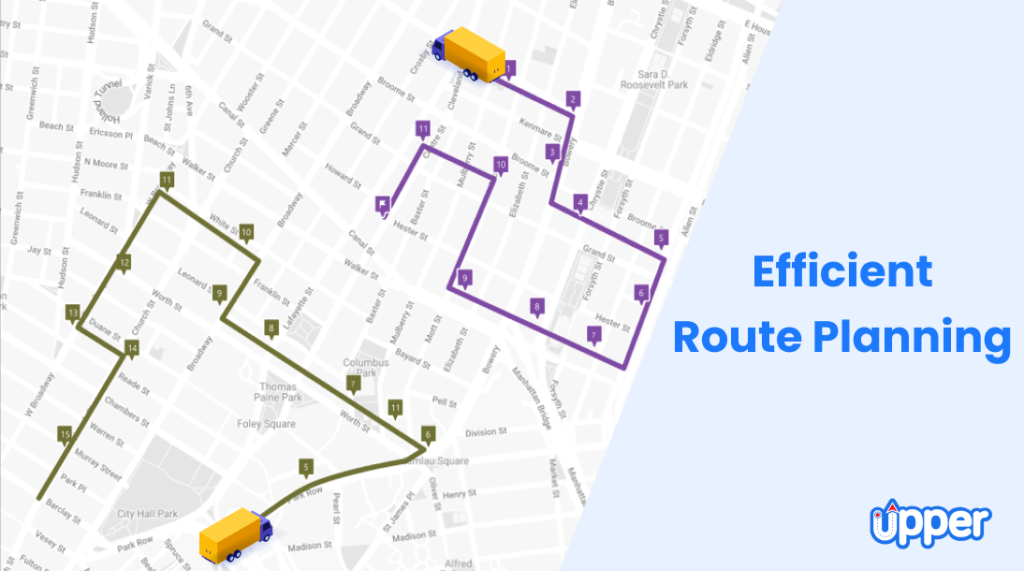
A common mistake is trying to cover too much distance. More driving means more fuel, which directly increases costs.
Instead, focus on a compact route. Choose a region with multiple points of interest within short distances. Spend more time exploring and less time driving.
Loop routes are particularly effective. They allow you to return to your starting point without backtracking.
chart: efficient vs inefficient routing
| Route Type | Distance | Fuel Cost | Experience Quality |
|---|---|---|---|
| Linear (long) | High | High | Medium |
| Loop (compact) | Low | Low | High |
| Random movement | Variable | Unstable | Unpredictable |
daily routine for a smooth journey
A simple daily structure keeps things manageable without feeling restrictive.
Morning: wake early, freshen up, prepare breakfast
Midday: explore, drive short distances, rest
Evening: cook dinner, find a safe parking spot
Night: relax, plan the next day loosely
Consistency reduces stress. You spend less time figuring things out and more time enjoying the journey.
hidden costs to watch out for
Even on a tight budget, certain expenses can sneak in unexpectedly.
Fuel inefficiency due to aggressive driving
Buying bottled water repeatedly instead of refilling
Impulse food purchases
Parking fines or restricted areas
Awareness is the best defense. Small daily decisions often have a bigger impact than major ones.
table: common hidden expenses
| Expense Type | How It Happens | Prevention Tip |
|---|---|---|
| Extra fuel | Unplanned detours | Plan compact routes |
| Expensive snacks | Convenience buying | Stock essentials |
| Water costs | Frequent purchases | Use refill stations |
| Parking fines | Ignoring local rules | Research beforehand |
making the journey enjoyable, not just cheap
Budget travel shouldn’t feel like a constant compromise. The goal is not to minimize spending at the cost of enjoyment, but to maximize experience within limits.
Small upgrades can make a big difference:
- A comfortable sleeping setup
- A good playlist or offline entertainment
- A basic cooking kit
These additions cost little but significantly improve the overall experience.
the emotional side of van journeys
There’s a moment, usually around the third or fourth day, when the journey starts to feel different. The initial excitement fades, and a quieter rhythm takes over.
You begin to notice things you would normally ignore: the way light changes throughout the day, the sound of distant traffic at night, the simplicity of cooking your own meal.
This is where the real value of the journey lies—not in destinations, but in awareness.
sample 7-day ultra-budget itinerary
table: example itinerary
| Day | Activity | Cost Focus |
|---|---|---|
| 1 | Start journey, short drive | Fuel saving |
| 2 | Explore local area | Minimal spending |
| 3 | Nature visit | Free activities |
| 4 | Rest and low movement | Zero fuel day |
| 5 | Short relocation | Controlled fuel use |
| 6 | Deep exploration | Experience focus |
| 7 | Return via loop route | Efficient travel |
why this lifestyle keeps growing
More people are turning to budget van journeys not just for affordability, but for freedom. The ability to change plans instantly, to stay longer in a place you enjoy, or to leave when you don’t—that flexibility is rare in traditional travel.
It’s not always comfortable. It requires adaptation, patience, and a willingness to let go of certain conveniences. But in return, it offers something that’s hard to find elsewhere: a sense of control over your own experience.
conclusion
A 1-week budget van journey on a tiny budget is not about limitations—it’s about choices. With the right approach, careful planning, and a flexible mindset, it’s entirely possible to travel meaningfully without spending much at all.
The road doesn’t demand perfection. It rewards awareness, simplicity, and a willingness to adapt. And sometimes, that’s all you need to turn a small budget into a rich experience.
frequently asked questions
- Is it safe to sleep in a van for a week?
Yes, if you choose locations carefully, stay discreet, and follow local guidelines. Safety depends more on awareness than budget. - How do I manage hygiene during the trip?
Use public facilities, carry basic hygiene supplies, and plan occasional stops at places with showers if needed. - Can two people travel comfortably on a tiny budget?
Yes, sharing costs like fuel and food actually makes it more affordable, though space management becomes important. - What if my vehicle breaks down?
Always carry basic tools, keep emergency funds, and ensure your vehicle is checked before the trip. - Do I need cooking equipment?
Not necessarily, but a simple stove or portable setup can significantly reduce food expenses. - How do I find free parking spots?
Look for rest areas, quiet streets, or natural locations, and always check local regulations to avoid fines.