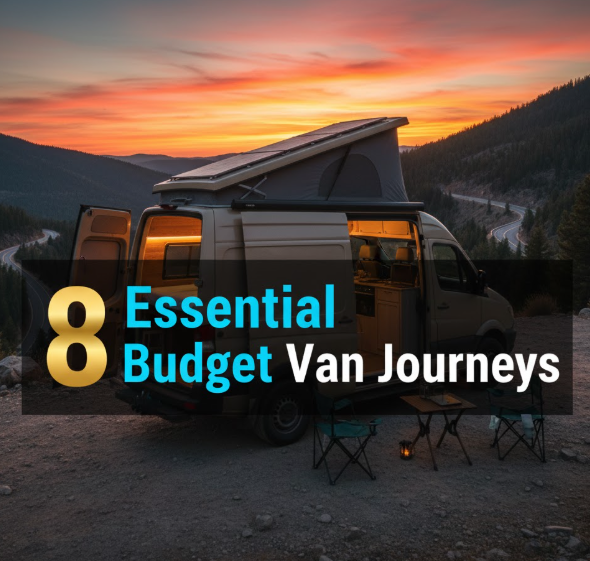
Ever thought of hitting the open road, sleeping under the stars, and waking up somewhere different every day? Van life makes that dream a reality. But there’s one thing — you don’t need to pay tens of thousands of dollars to make it happen.
Van journeys on a budget are booming. Instead of lavish RVs, many are opting for a budget van conversion. And the best part? Some of it you can do alone — even if you’ve never held a power drill in your life.
This guide discusses 8 perfect conversion ideas for beginners. All of them are practical, affordable, and intended to make your van feel more like home.
Let’s get into it.
Why Living in a Van on a Budget Actually Works
Before we get to the ideas, let’s clear something up. Budget doesn’t mean low quality. It means smart choices.
The average price for a full conversion is between $1,500 and $5,000 among newly converted van lifers. Some do it for even less. The trick is knowing where to splurge and where to scrimp.
Here’s a ballpark comparison of costs:
| Conversion Type | Estimated Cost | Skill Required |
|---|---|---|
| Basic DIY Budget Build | $1,500 – $3,000 | Beginner |
| Mid-Range DIY Build | $3,000 – $7,000 | Intermediate |
| Professional Custom Build | $15,000 – $50,000+ | None (outsourced) |
| Luxury Sprinter Build | $40,000 – $100,000+ | None (outsourced) |
As you can see, the DIY budget route saves a ton. Let’s dig into the 8 ideas that make this possible.
1. Choose the Right Van — The Foundation of Budget Van Journeys
Your conversion is only as good as the van underneath it. Picking the wrong one can burn through cash quickly.
Best Vans for Budget Conversions
For rookies, these three vans are the top selections:
- Ford Transit — Abundant, parts are easy to source, tons of headspace
- Ram ProMaster — Front-wheel drive, affordable, raised roof options
- Chevy Express — Older models are inexpensive, easy to work on
Seek out high-mileage vans with well-maintained records. A 200,000-mile workhorse that was regularly serviced is always better than a 100,000-mile van without known history.
What to Check Before You Buy
- Check the floor and wheel wells for rust
- Look for signs of water damage or soft spots in the floor
- Check each of the doors, windows, and all locks
- Get a mechanic to do a pre-purchase inspection (typically $100–$150)
Investing a bit of time here saves major hassles down the road.
2. Insulation First — Keep It Warm Without Breaking the Bank
The most important thing in your van is insulation. It protects you from the heat of summer and the chill of winter, and reduces road noise.
The good news? You don’t need pricey spray foam to do it right.
Cheap Insulation Options That Actually Work
| Insulation Material | Cost (Approx.) | R-Value | Best For |
|---|---|---|---|
| Thinsulate (3M) | $150 – $250 | High | Walls and ceiling |
| Polyiso Foam Board | $50 – $100 | High | Floor and flat panels |
| Recycled Denim Batts | $40 – $80 | Medium | Curved areas |
| Reflectix | $20 – $40 | Low alone | Windows (layered) |
A Simple Insulation Strategy for Beginners
Start with the floor. Cut the polyiso boards to fit and place them first. Then move to the walls. Apply Thinsulate in the metal cavities — it doesn’t absorb moisture, and that’s a big plus.
For the ceiling, foam board works well cut into panels. Spray some adhesive to hold pieces in place.
Don’t forget the wheel wells. They’re noisy and cold. A little Thinsulate sandwiched in here makes a big difference.
Budget tip: Reflectix by itself does next to nothing. Always use it over another material or on windows only.
3. The Budget Bed Build — Sleep Tight Without a Fancy Frame
A good night’s sleep makes all the difference on the road. Your bed setup is among the more important parts of your build — and one of the cheapest to do right.
Fixed Bed vs. Foldable Bed — Which Is Better for Beginners?
Fixed beds are easier to build and more stable. You trade away storage underneath but gain consistency. Great if you travel alone or with a partner.
Foldaway beds free up floor space during the day. They require more planning but are worth it if you want a living area.
For most beginners, a stationary platform bed will do.
How to Build a Simple Platform Bed
Materials you need:
- 2×4 lumber (about $30–$50 worth)
- ¾ inch plywood sheet (approximately $40–$60)
- Wood screws
- Sandpaper
Steps:
- Measure the width and length of your van’s cargo area
- Build a rectangular frame from 2x4s
- Add cross supports every 12–16 inches
- Lay plywood on top and screw it down
- Sand edges smooth
- Add a foam mattress topper (4-inch memory foam from Amazon runs $60–$100)
Total cost: around $150–$220 for a solid, comfortable bed.
4. Electrical on a Shoestring — Power Your Life Without Solar Panels
This is where many beginners get scared. Electrical sounds complicated. But a basic power setup doesn’t have to be.
The Starter Electrical Setup (Under $300)
For budget van journeys, you don’t need to install a full solar system right away. Start simple.
Option 1: The Battery Bank Setup
- Portable power station (Jackery or Bluetti) — $150–$250
- Charges from shore power or your van’s alternator
- Powers phone, laptop, lights, and a small fan
This is the simplest starting point. No wiring needed.
Option 2: Single Solar Panel + Battery
- One 100W solar panel — $80–$120
- 12V battery (AGM) — $80–$120
- A basic charge controller — $20–$30
- Total: $180–$270
This gives you free power from the sun every day. Perfect for longer trips.
Things You Can Power on a Budget Setup
- Phone and laptop charging
- LED strip lights
- A 12V fan
- A small 12V cooler
- A portable speaker
You do not need to power a microwave or air conditioner on a starter build. Keep it simple.
5. Ventilation Done Right — Fresh Air Keeps You Healthy on the Road
A van without ventilation gets hot, stuffy, and moldy fast. This is one area where spending a little more upfront saves you a huge headache.
The Fan That Almost Every Van Lifer Gets
The Maxxair Fan and the Fan-Tastic Vent are two of the most popular options. They run about $100 to $180 new, or you can find them used for around $60–$80.
These fans exhaust hot air out of your van and draw in cool air. They also help with condensation — a significant concern in cooler climates.
Budget Ventilation Tips
- Place the fan at the rear of your van for optimal airflow
- Run the fan on exhaust while cooking to suck steam and smells out
- Crack open a front window slightly when the fan is running to encourage cross-ventilation
- Add a rain cover so you can run the fan even during light rain
If $100+ is too steep right now, a 12V clip-on fan ($15–$30) provides short-term relief. But save up for a proper roof fan — it’s worth every dollar.
6. Kitchen Setup for the Budget Builder — Cook Real Food Anywhere
You don’t need a full kitchen in your van. A simple cooking setup handles 90% of your meals and costs very little.
The Budget Van Kitchen Essentials
| Item | Cost Range | Notes |
|---|---|---|
| Single-burner propane stove | $20 – $40 | Coleman or Iwatani brands work great |
| Small cutting board | $10 – $15 | Folds up or fits over sink |
| Collapsible cookware set | $25 – $40 | Saves space |
| Propane canisters (small) | $5 – $8 each | 1 canister per week average |
| Plastic storage bins | $10 – $20 | For dry food organization |
| Hand pump water jug | $20 – $35 | Simple and effective |
Total kitchen setup: $90 – $160
Smart Cooking Habits That Save Money
Cook outside when weather allows. It helps keep your van cooler and reduces condensation inside.
Meal prep on Sunday for the week. Basic meals like rice, eggs, canned beans, and pasta keep costs low and cooking time short.
A collapsible dish rack and a small basin for washing dishes work perfectly. You don’t need a sink with running water right away.
What About Food Storage?
A 12V cooler (used, $50–$80) keeps food cold without ice. It pulls power from your battery setup. It is a better long-term investment than an ice chest that costs you money on ice every two to three days.
7. Storage Solutions That Give You Every Last Inch
Living in a small space is all about creativity. A well-organized van feels twice the size of a cluttered one.
Vertical Space Is Your Best Friend
The biggest mistake for beginners? Forgetting to look up. The wall and ceiling real estate near the top of your van is prime storage space.
Ideas for vertical storage:
- Hang a cargo net above your bed for pillows and light items
- Install simple floating shelves using L-brackets and plywood
- Use command hooks for bags, hats, and cords
- A hanging shoe organizer on the back of a front seat stores small items
The Gear Garage Trick
If your van is long enough, leave the last 12–18 inches near the back doors as a gear garage. This is a floor-level storage area for muddy shoes, bikes, gear, and bulky items. Keep it separate from your living area.
A simple curtain or wooden partition keeps it out of sight.
Drawer vs. Open Shelves — What Works Better?
| Storage Type | Cost | Space Efficiency | Best For |
|---|---|---|---|
| Open shelves | Low ($20–$40) | Medium | Frequently used items |
| Drawer system | Medium ($60–$150) | High | Clothes and tools |
| Bins | Very low ($10–$30) | Medium | Food and supplies |
| Hanging organizers | Very low ($10–$20) | High | Small daily items |
For a beginner build, open shelves plus bins is the simplest and cheapest combination.
8. Make It Feel Like Home — Budget Decor and Comfort Touches
Here’s where the fun starts. Once your functional systems are in place, small decor touches turn your van from a cargo box into a cozy space you genuinely love being in.
Low-Cost Ways to Add Warmth and Personality
Lighting makes the biggest difference. LED strip lights along the ceiling cost $10–$20 and completely change the vibe at night. Warm white or amber tones feel cozier than bright white.
Add a small rug. A $15–$25 rug on the floor near your bed makes the space feel instantly warmer.
Use removable wallpaper or fabric. Peel-and-stick wallpaper on one wall adds a huge visual impact. Fabric panels pinned to walls are even cheaper and just as effective.
Plants add life. A small succulent or two in a cup holder doesn’t just look good — it also improves air quality slightly and makes the space feel alive.
Window Covers — Privacy and Insulation in One
Good window covers are essential. They block light when you’re sleeping and give you privacy in parking lots.
Budget DIY window covers:
- Buy Reflectix or black foam board
- Trace your window shape onto the material
- Cut it out and add fabric to the interior-facing side
- They pop in and out in seconds
Total cost for all windows: $20–$40
The $50 Comfort Challenge
Here’s a fun way to think about this — what could you do to improve your van life experience for just $50?
- New pillow + pillowcase: $12
- LED strip lights: $15
- Small rug: $18
- Hanging plant holder: $5
- Total: $50 — a massive comfort upgrade
Budget Van Journeys: A Complete Starter Build Cost Breakdown
Here’s a realistic overview of what a beginner build might cost when you put all 8 elements together:
| Build Element | Budget Range |
|---|---|
| Van purchase (older used model) | $3,000 – $8,000 |
| Insulation materials | $100 – $250 |
| Bed frame build | $150 – $220 |
| Basic electrical setup | $170 – $300 |
| Roof fan / ventilation | $80 – $180 |
| Kitchen essentials | $90 – $160 |
| Storage solutions | $50 – $150 |
| Decor and comfort touches | $50 – $100 |
| Total Conversion Cost | $700 – $1,360 |
Van included: roughly $4,000 – $9,500 grand total depending on the van. That’s a complete mobile home for less than most people’s yearly car payment.
For more tips, guides, and real-world van build inspiration, check out Budget Van Journeys — a dedicated resource for van lifers who want to do it smart and affordable.
Common Mistakes Beginners Make (And How to Avoid Them)
Time and money are saved by learning from others’ mistakes. Here are the most common ones:
Buying too much too soon. Start minimal. Live in the van for a few weeks before you build everything out. You’ll soon find out what you actually need.
Skipping the rust check. Rust on the floor or walls can ruin an entire build. Always inspect before you buy.
Over-insulating windows. Some beginners insulate every window permanently. You need airflow and visibility. Keep windows functional.
Going too heavy on electrical. A $2,000 solar system is overkill for a beginner. Start with a portable power station.
Not testing before permanent installation. Set everything out first before bolting it down. Live with the layout for a few days. You’ll almost always want to move something.
FAQs About Budget Van Journeys Conversion
Q: How long does it take to convert a van yourself? Four to 8 weekends (part-time) is usually enough for a beginner to finish a basic conversion. A full-time build sprint takes 2 to 3 weeks.
Q: Do I need special tools for a budget conversion? The essentials are sufficient: a drill, a jigsaw, a measuring tape, and a utility knife. If you need specialty tools, you can also rent them at Home Depot or Lowe’s.
Q: Is van life legal? Where can I park overnight? Yes, van life is legal. For overnight parking, look for BLM land (free in the US), Walmart and Cracker Barrel parking lots (often permitted), Campgrounds ($15–$30/night), and apps like iOverlander and Freecampsites.net to find free spots.
Q: How do you shower and use the bathroom in a van? Many van lifers use gym memberships (Planet Fitness at $10/month is a popular option), truck stops, or portable camp showers. For bathrooms, a portable composting toilet ($30–$60) or using campground facilities works just fine.
Q: Can I live in a van full-time on a tight budget? Absolutely. Many people support an $800 to $1,500 per month van-dwelling lifestyle that includes food, gas, and campsite fees. It’s often cheaper than renting an apartment.
Q: What is the best van for a first-time conversion? For most beginners, the Ford Transit is the ideal choice. It has plenty of headroom, loads of available parts, and a big online community of builders who freely share advice.
Q: Do I need a permit or license to live in a van? A special license is not required for a personal van conversion. However, if you intend to rent it out or use it commercially, the rules differ depending on the state or country you’re in.
Final Thoughts — Your Budget Van Journey Starts Now
Budget van journeys are not just about saving money. They’re about freedom. The ability to go wherever you want, whenever you want, with everything you need right behind you.
You’ve just learned 8 practical, beginner-friendly conversion ideas that can take any cargo van and turn it into a cozy, functional home on wheels — without breaking the bank.
Start small. Build smart. Don’t wait for everything to be perfect.
Buy one tool, buy one sheet of insulation, and take that first step. Most van lifers started at the same place you are right now — and they’ll tell you the same thing.
The best van build is the one that gets you on the road.