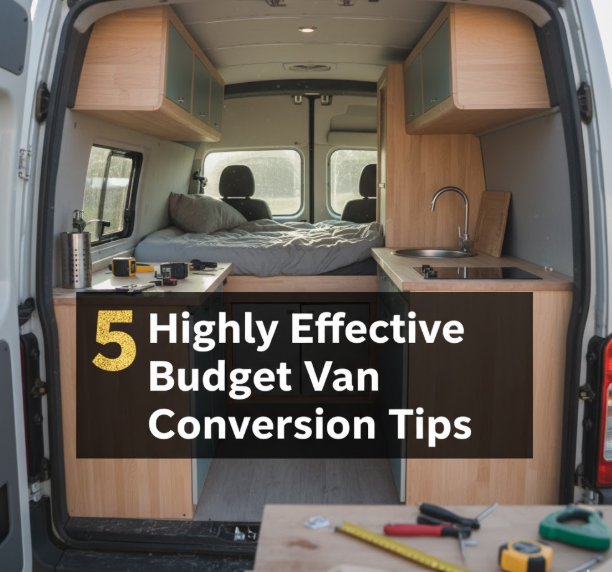
So you have a small van and a big dream. Perhaps you’d like to hit the open road, sleep beneath the stars, and wake up somewhere different each day. But the truth is that van life doesn’t have to break the bank.
So many people think that you absolutely need a huge Mercedes Sprinter or a full professional build to have van life. That’s simply not true. The best budget van journeys setup tricks can make small vans into a comfortable, functional home on wheels.
This guide shares five highly effective, practical, and proven tricks to help you design your small van without hitting your wallet. Whether you’re a weekend warrior or just considering an extended trip, these tips will reconfigure how you perceive van life.
Let’s get into it.
The Case For Small Vans: They Are The Smart Choice
Before getting into the tricks for making a small van work, let’s discuss why small vans deserve more credit than they often receive.
Small vans such as the Ford Transit Connect, Vauxhall Combo, or Citroën Berlingo cost less to purchase. They cost less to fuel. They are more convenient to park in cities and campgrounds. So is insurance, typically.
Yes, space is tight. But closing in on yourself makes you smarter. And often the most comfortable setups are the smart ones.
The thing is to maximize each and every inch. This is precisely what these five tricks are for.
Trick #1 — Create a Bed That Serves Multiple Purposes
Your Bed Is Your Most Important Asset
A small van is dominated by a bed. So it has to do more than simply serve as a place to sleep. A platform bed with storage underneath is the smartest thing you can do.
It’s the basis for a solid budget van journeys setup. And the best part? You can do that for almost no money.
How to Make a Simple Platform Bed
You don’t need fancy tools or woodworking skills. Here’s a basic approach that works for most small vans.
Materials you’ll need:
- Plywood sheets (12mm or 18mm thickness)
- Wooden slats or crates for the base
- Bolts, screws, and L-brackets
- Foam mattress or camping mat
- Fabric or bedding of your choice
Measure one piece which will cover the entire floor of your van and cut it from plywood. Construct a simple frame underneath out of wooden slats or even sturdy plastic crates from IKEA (the KALLAX cube inserts are a van life favorite). This provides lift beneath the sleep surface and gives you a pull-out storage system without the expense of custom cabinetry.
Why This Works So Well
What you can fit under a platform bed in a small van:
- Clothes in bags or drawers
- Cooking gear and camp stove
- Tools and repair kits
- Food and dry goods
Now you’ve transformed otherwise dead floor space into an organized storage system. Sleep on top, store below. Simple. Efficient. Budget-friendly.
Sleeping Lengthwise vs. Widthwise
If you’re tall, it can be a challenge to fit a bed lengthwise in shorter vans. Try sleeping diagonally — it often works surprisingly well. Or a widthwise setup (sleeping across the van) liberates the full length of your van for use as a small walkway or kitchen area.
Experiment before you start cutting wood.
Trick #2 — Make a Fold-Away Kitchen That Works
You Don’t Require a Built-In Kitchen
Many van lifers invest thousands in permanent kitchen builds. For a small van on a budget, that is overkill. A fold-away or modular kitchen setup packs everything you need without being permanent.
This is one of the most underrated budget van journeys setup tricks out there.
The Slide-Out Box Method
Use a wooden crate or a simple box on wheels. Inside, organize your cooking essentials:
- A single or double burner camp stove
- A small pot and pan
- A cutting board
- Utensils in a canvas roll pouch
- Spices in small jars or zip pouches
When it’s time to cook, just slide this box out from under your bed platform. Use your van’s rear doors or side door as a windscreen. Cook outdoors or just inside the entrance. And when you’re finished, everything slips back underneath the bed.
No permanent counter space needed. No complicated plumbing. No expensive build.
Cheap Water Storage Solutions
Running water is an unrealistic expectation for a small budget build. But that doesn’t mean you’ll go thirsty or dirty.
Here’s a setup that costs next to nothing:
| Water Solution | Cost Estimate | Best For |
|---|---|---|
| 5L camping water jug | $5–$10 | Short trips |
| 10L collapsible container | $10–$20 | Weekend to week-long trips |
| 20L jerry can with spigot | $15–$30 | Extended travel |
| Foot pump sink (DIY) | $20–$40 | More comfort |
A foot pump linked to a water container and a small basin makes for an unexpectedly effective hand-washing station. For a temporary setup, just mount the basin on a board that hooks over your door frame.
Food Storage on a Budget
A 12V cool box (car fridge) is lovely but ranges from $100–$300. For a smaller budget, a good foam cooler works well for weekend excursions. For longer journeys, consider:
- Purchasing food more often in smaller quantities
- Concentrating on shelf-stable foods such as pasta, rice, oats, canned goods, and nut butter
- Using a small insulated bag for the items that should stay cold
You’ll be surprised at how well you eat without a full fridge.
Trick #3 — Insulation First, Everything Else Second
The Trick Most Beginners Skip
This is a common mistake that most first-time van lifers make. They build the bed, install the kitchen, string some fairy lights up, and wonder why their van turns into an oven in summer and a freezer in winter.
Insulation is the number one most important step in any budget van journeys setup. And it doesn’t need to be costly.
Why Insulation Matters So Much
Metal is a very good conductor of heat and cold. Without insulation, your van’s temperature constantly swings. You’ll sweat through summers. You’ll shiver through winters. Condensation will build up and cause rust and mold.
Good insulation:
- Helps keep your van warmer in winter
- Makes it cooler in warm weather
- Reduces condensation
- Deadens road noise
Budget Insulation Options Compared
| Insulation Type | Cost (Approx.) | R-Value | Ease of Install |
|---|---|---|---|
| Foam board (XPS/PIR) | Low | High | Easy |
| Spray foam | Medium | Very High | Moderate |
| Recycled denim batts | Medium | High | Easy |
| Bubble wrap foil | Very Low | Low-Medium | Very Easy |
| Sheep’s wool | Medium-High | High | Easy |
Foam board insulation is the go-to option for a tight budget. It’s firm, lightweight, and easy to cut with a box cutter. You can get big sheets at any hardware store for a fraction of the cost of spray foam.
How to Insulate Your Small Van — Step by Step
Step 1: Thoroughly clean the inside walls. Remove any factory liners.
Step 2: Cut foam board panels to fit each section — walls, floor, and ceiling separately.
Step 3: Assemble your panels with either spray adhesive or friction-fit them between the metal ribs.
Step 4: Cover with thin plywood or reflective foil as a finished layer.
Step 5: Seal any gaps with foil tape to avoid cold bridges.
A weekend is all that’s needed to complete the job. For a small van, materials could total $100–$200. That’s money extremely well spent.
Don’t Forget Ventilation
Without airflow, insulation can trap moisture. Crack a window slightly at night. If you can, install a roof vent — even a basic manual one makes a huge difference. A small USB-powered fan, which costs less than $20, moves air around without draining your battery.
Trick #4 — Get More Power Without Breaking the Bank
Van Electricity Doesn’t Need to Be Confusing
You need power for lights, charging your phone, running a fan, and maybe a cool box. On a full build, people typically spend $1,000+ on electrical systems. For a budget van journeys setup, you can do it for much less.
The Two Budget Power Approaches
Option A — The Solar Starter Kit
A 100W flexible solar panel + a 20A charge controller + a 100Ah leisure battery gives you a simple but complete power system. Total cost: around $200–$350 depending on where you buy.
This setup handles:
- LED lights (all night)
- Phone and laptop charging
- 12V fan
- Small devices
Option B — The Split Charge Setup
If solar feels too confusing, a split charge relay joins your van’s starter battery with a leisure battery. When you drive, the engine recharges both batteries. When you stop driving, the two batteries are disconnected, so you aren’t draining your starter battery.
The hardware can be as inexpensive as $30–$60 for the relay and some cable. If you already drive a fair amount, that may be all you need.
Budget Lighting That Makes Your Van Feel Like Home
Lighting changes everything. A well-lit van feels cozy. A dark van feels cramped.
LED strip lights are the best low-cost option. A roll of warm white LED strips costs $10–$20 and can span the entire length of your van’s ceiling. Connect them to your leisure battery with a simple inline switch.
Warm white (2700K–3000K) is cozy and calming. Avoid cool white — it makes the space feel clinical and cold.
Add a few small fairy lights for added ambiance. Battery-powered ones cost next to nothing and go weeks on a single set of batteries.
How to Keep Your Devices Charged on the Road
A 12V car charger with multiple USB ports handles phones and small devices well. For laptops, a 100Wh+ power bank is a handy backup. Many cafes, libraries, and campgrounds offer free charging points too — something worth building into your routine. According to Outdoorsy’s van life guide, planning your power needs before you build is one of the most important steps new van lifers can take.
Trick #5 — Clever Storage Turns Clutter Into Comfort
The Number-One Enemy of the Small Van Is Clutter
When space is at a premium, mess isn’t just unsightly — it makes the entire van feel stressful and unlivable. The answer is not simply to “own less stuff.” It’s about creating intelligent storage that keeps everything visible and orderly.
This last trick brings your entire budget van journeys setup together.
Vertical Space Is Free Space
Most people think only of floor space. But walls are prime real estate. Use them.
Vertical storage ideas that won’t cost you a fortune:
- Mesh pockets (from camping shops or Amazon): Great for maps, notebooks, sunglasses, snacks
- Bungee cord systems: Stretch bungee cords between hooks screwed into the walls. Slip items behind them.
- Small shelves: A simple L-bracket shelf over the wheel arch is ideal for a book, a lamp, and a couple of small items
- Over-door organizers: Hang one on the back of your van doors for shoes, tools, or cleaning supplies
The One-Bag Rule for Clothes
In a small van, your wardrobe must be ruthless. The ideal system is the one-bag rule: everything you wear fits into a single backpack or duffel bag.
Dress for the climate you’re heading to. Layers are your best friend. A merino wool base layer does the job of three regular t-shirts. Quality over quantity every time.
Keep your bag under the bed platform. Rotate items when you get them laundered. Most towns have a laundromat — plan for a couple of hours and a few dollars every week or two.
Compression Bags Are a Budget Hack
Vacuum compression bags allow you to shrink bulky items like sleeping bags, extra blankets, or winter coats down to a fraction of their normal size. You don’t even need a vacuum — the roll-up style ones work by squeezing the air out manually.
A pack of 6–8 compression bags costs less than $15. They can double your effective storage capacity.
The Kitchen-on-the-Road Packing Method
For your cooking gear box, use the tetris method: pack everything as tightly as possible, with no wasted gaps. Nest pots inside each other. Roll utensils in a cloth. Use small containers instead of original bulky packaging.
Every inch matters in a small van.
Putting It All Together — A Simple Budget Build Plan
Here’s a quick breakdown of how these five tricks fit together into one complete setup:
| Priority | Trick | Estimated Cost |
|---|---|---|
| 1 | Insulation (foam board + foil) | $100–$200 |
| 2 | Platform bed with storage | $80–$150 |
| 3 | Fold-away kitchen box | $30–$80 |
| 4 | Power system (basic solar or split charge) | $200–$350 |
| 5 | Smart storage solutions | $20–$60 |
| Total | Full budget setup | $430–$840 |
That’s in stark contrast to the $5,000–$20,000 that professional van conversions can cost. You get 80% of the functionality at 10–15% of the cost.
A Few More Ideas to Stretch Your Budget Even Further
- Buy secondhand: Facebook Marketplace and eBay are goldmines for van build materials. Solar panels, leisure batteries, and camping gear typically go for 50–70% less than new.
- Use what you already own: That foam camping mat? Great insulation layer. Old curtains? Van window coverings. Think creatively.
- Prioritize experience over aesthetics: You could make your van look Instagram-perfect if you wanted. But on a long trip, sleep quality, warmth, and cooking capability matter far more.
- Test before you commit: Do a one-night test sleep before cutting anything. You’ll soon learn what works and what doesn’t.
- Join van life communities online: Reddit’s r/vandwellers and various Facebook groups are full of people sharing free plans, advice, and secondhand gear.
FAQs About Budget Van Journeys Setup
Q: Am I allowed to sleep in my van anywhere? Laws vary by location. In the UK, sleeping in your van is generally legal on public roads unless local bylaws prohibit it. In Europe, the rules vary from one country to another. Always check local legislation and use dedicated apps like Park4Night to locate safe and legal spots.
Q: How long does it take to build a basic van setup? A basic budget van journeys setup for a small van can realistically be completed over one to two weekends. Insulation takes a full day. The bed platform takes another day. The rest can be put together gradually over time.
Q: Do I need planning permission or special permits to convert a van? An internal conversion does not require a permit in most countries. However, if you are registering the van as a campervan for insurance or tax reasons, there could be some requirements. Check with your local vehicle authority.
Q: What’s the lowest budget needed for a functional van setup? If you buy secondhand and keep it simple, you can put together a basic but completely functional setup for as little as $300–$400. All five tricks in this guide can be done on that budget with smart shopping.
Q: How do I handle bathroom needs in a small van? This is one of the most popular questions. Options include using campsite facilities, a portable cassette toilet ($50–$150), a composting toilet (pricier), or simply planning your route around public facilities. A lot of van lifers use gym memberships for shower access — $20–$30 a month gives you access to showers across an extensive network.
Q: Is van life in a small van suitable for couples? Definitely, but it takes good communication and smart design. A widthwise bed that fits two people, shared storage systems, and intentional alone-time practices all help. Many couples thrive in small van setups because it creates efficient, intentional living.
Q: What are the best vans for a budget setup? Great small vans for budget builds include the Ford Transit Connect, VW Caddy, Renault Kangoo, Peugeot Partner, Citroën Berlingo, and Vauxhall Combo. All offer good cargo space relative to their size and are reliable on long journeys.
The Road Is Waiting — Your Setup Doesn’t Have to Be Perfect
The reality of van life is this: the best setup is the one you actually use.
You don’t need the fanciest interior or the most expensive gear. You need a warm place to sleep, a way to make food, enough power to keep your devices running, and a system that makes the chaos manageable.
The five tricks in this guide — a multi-purpose bed, a fold-away kitchen, proper insulation, budget power, and smart storage — cover every core need of van life in a small van. Together, they form a complete, livable budget van journeys setup that can be built for under $1,000 and improved over time as you travel.
Start with insulation. Build your bed. Get your kitchen sorted. Hook up some basic power. Then make use of every wall, every corner, and all that vertical space you’ve got.
The open road doesn’t care about your Instagram aesthetic. It cares whether you show up.
So show up.