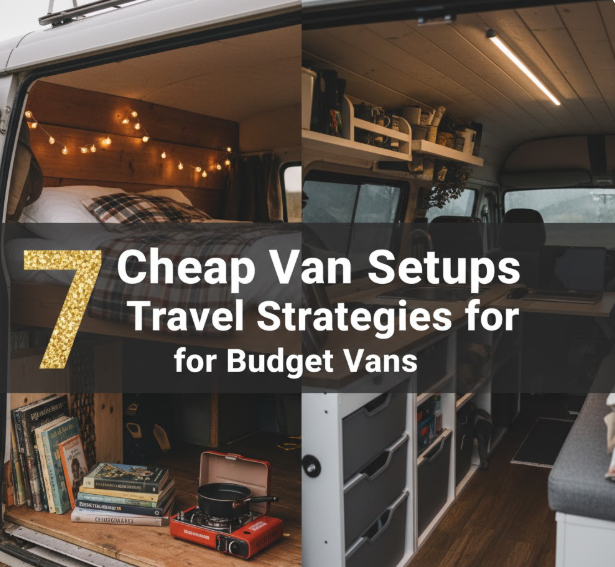
A Budget Van Life Setup Does Not Need To Be Expensive! Here are 7 budget-friendly van conversion ideas to help you create your dream travel setup on a small budget.
If you’ve been scrolling through van life photos and thinking to yourself, “There’s no way I could afford that” — think again.
You don’t have to buy a $30,000 Sprinter van with heated floors and a rooftop solar array to live or travel out of a van. Thousands are taking to the road every year with simple, clever setups that cost a tenth of that.
This article covers 7 clever but doable budget van journey setup ideas. Whether you’re ready to hit the road for the weekend or living full-time in a van, these affordable van conversion tips will help you hit the ground running without emptying your bank account.
Let’s get into it.
Budget Van Conversions Are Booming Right Now
Van life used to seem like an indulgence only trust-fund travelers or paid Instagram influencers could afford. Not anymore.
More and more people are waking up to the idea that a cheap, functional van setup can provide you the same freedom an expensive build does — just with some extra creativity.
Inflation is still rising. Hotel prices are wild. And gas isn’t getting cheaper. So increasing numbers of travelers are converting cargo vans, minivans, and even old passenger vans into rolling homes for far lower prices than traditional travel expenses.
The best part? A budget van conversion doesn’t mean an uncomfortable one.
What Is Considered A “Budget-Friendly” Van Conversion?
Before we get into the ideas, it’s useful to understand what a cheap van conversion looks like compared to an expensive one.
| Feature | Budget Build | High-End Build |
|---|---|---|
| Average Cost | $500 – $3,000 | $10,000 – $40,000 |
| Insulation | Foam board / Reflectix | Spray foam / Thinsulate |
| Bed | Platform bed with plywood | Custom cabinetry with foam mattress |
| Power | Portable battery station | Full solar system with inverter |
| Kitchen | Cooler + single burner stove | Built-in sink, propane stove |
| Time to Build | 1–4 weekends | 1–6 months |
Budget builds focus on function over form. They rely on secondhand materials, simple plans, and clever shortcuts. And honestly? Many of them are just as livable as the fancy ones.
Idea #1 — A Plywood Platform Bed That Serves Two Roles
First off, the bed — this is really the hub of any van setup. And here’s the best news: you don’t have to spend much to get a great one.
Build a Simple Raised Platform
A simple plywood platform bed is the cheapest and most popular option out there. It’s cheap, robust, and provides you with valuable storage room underneath.
Here’s what you need:
- 2–3 sheets of 3/4-inch plywood (~$40–$60 total)
- 2×4 lumber for the frame (~$20–$30)
- Screws and basic tools
- A foam mattress topper or camping pad (~$30–$80)
Total cost: Mostly less than $200.
Make It Work Harder
The area beneath your platform is your storage space. Use plastic bins, drawers from IKEA (the ALEX drawer unit fits many cargo vans), or just stacked totes.
If you’re in a short van, try a sideways sleeping setup so the platform can sit lower and offer more headroom. This works well in shorter vans like a Ford Transit Connect or a Dodge Grand Caravan.
Fold-Down Option for Flexibility
To turn your van into a daily driver and weekend camper, build a fold-down platform. Install piano hinges and basic folding legs so you can collapse the bed and have floor space to use during the week.
Idea #2 — Insulate the Right Way for Less
Insulation is a huge part of your van build. It keeps you warm in the winter, cool in the summer, and reduces condensation.
But that doesn’t have to come with a huge price tag.
The Budget Insulation Stack
Here’s a layered approach that works nicely without being cost-prohibitive:
- Reflectix (reflective bubble wrap) — great for windows and doors (~$30 per roll)
- Foam board insulation (Polyiso or XPS) — cut to fit wall cavities (~$25–$50 per sheet)
- Moving blankets or old yoga mats — for filling gaps and adding softness
This combination won’t outdo spray foam in performance, but it works perfectly for 3-season camping and budget van travel setup goals.
Don’t Skip the Floor
Cold weather sucks a ton of heat out of the floor. Lay down foam board first, then cover with vinyl flooring or interlocking foam tiles. Total cost for fully insulating the floor and adding a covering: $50–$150 depending on van size.
Window Coverings Matter Too
Cut to fit your windows, Reflectix serves dual duty as insulation AND blackout curtains. Cut pieces a little larger than the window opening and use magnets or velcro to hold them in place. Quick, cheap, and surprisingly effective.
Idea #3 — A Small Kitchen That Packs a Punch
You don’t actually need a sink, a three-burner stove, or a built-in fridge to eat well on the road.
The Minimalist Budget Kitchen Setup
| Item | Budget Option | Estimated Cost |
|---|---|---|
| Cooking | Single-burner propane stove | $20–$40 |
| Cooling | 12V cooler or Styrofoam cooler with ice | $30–$150 |
| Water | 5-gallon jugs + hand pump | $20–$40 |
| Food prep | Cutting board + one good knife | $15–$25 |
| Washing up | Collapsible basin + biodegradable soap | $10–$15 |
| Storage | Hanging organizers + mesh bags | $15–$30 |
Total kitchen setup cost: $110–$300
Where to Put It All
A basic wooden shelf attached to a wall of the van serves perfectly well as a kitchen counter. Put a piece of bungee cord or rope across the front to hold things in place while driving.
Cooking Tips for Small Spaces
- Batch cook at campgrounds or rest stops with picnic tables
- Cook most meals (rice, pasta, stews) in one pot
- Pack a small spice kit in an old tackle box
- Grocery shop every 2–3 days instead of stocking up on large quantities of food
Idea #4 — Affordable Power When You Don’t Want Full Solar
A complete solar system with lithium batteries and inverters may run $1,500–$5,000 or more. There are smarter, cheaper options for a budget van journeys setup.
The Jackery/EcoFlow Route
Portable power stations have become incredibly affordable. A 240Wh–300Wh unit costs around $200–$300 and can power:
- Phone and laptop charging
- LED lights for 10–15 hours
- A small fan overnight
- A 12V cooler for a few hours
You can recharge it via your van’s alternator while driving or from a campground outlet.
Add One Solar Panel Later
A single 100W solar panel runs around $80–$120. Combine it with your portable power station and you’ve got a simple off-grid setup for less than $400 total. For a deeper dive into solar options for van life, this guide from the Dyrt breaks down different setups clearly.
LED Lighting Done Cheap
Skip the fancy van lighting kits. A simple LED light strip with a switch costs less than $15 on Amazon. Run it near the ceiling using adhesive clips and connect it to your power station or a small 12V battery.
Idea #5 — Storage Tricks That Make a Small Van Feel Big
Storage is one of the most significant van life challenges you will encounter. But with the right tricks, even a tiny van can feel surprisingly roomy.
The “Every Inch Counts” Philosophy
Budget van conversions live and die on how efficiently they use vertical and hidden space.
Wall storage ideas:
- Install pegboards on the walls for tools and kitchen items
- Hang bags, hats, and gear with command strips and hooks
- Put in some small shelves above the wheel wells
Under-bed storage:
- Cheap plastic bins on furniture sliders for roll-out drawers
- Labeled totes for clothes, food, and gear
Door storage:
- Hang mesh pockets or shoe organizers on the back doors
- Great for shoes, snacks, toiletries, and maps
The Overhead Net Trick
String a cargo net from side to side toward the ceiling of the van. It’s ideal for storing sleeping bags, pillows, and lightweight gear. A basic cargo net costs $10–$20 and can be installed in 10 minutes with a couple of screw-in hooks.
Clothes Storage That Works
Skip the dresser. Use:
- Hanging organizers from a tension rod above the bed
- Compression bags for bulky items like jackets
- One backpack as your “go bag” for clothing you wear every day
Idea #6 — Staying Clean Without a Shower or Sink
This is the part that keeps most people from van life. But road hygiene is a lot more doable than you would think.
The Budget Shower Setup
Option 1 — Solar shower bag A regular black solar shower bag ($15–$25) heats up water in the sun. Hang it from a tree or your van’s back doors. A low-cost pop-up privacy tent ($30–$50) makes it private enough.
Option 2 — Planet Fitness or local gym membership A Planet Fitness membership runs about $10/month and gives you access to showers across the US. It is one of the most innovative and useful van life hygiene hacks ever discovered.
Option 3 — Campground showers Many campgrounds charge $2–$5 for shower access even if you’re not camping there. Worth it on a long trip.
Staying Fresh Between Showers
- Rinse-free shampoo and dry shampoo
- Baby wipes for quick day-to-day cleanups
- Antibacterial hand soap and a small jug of water by the door
- Change and air out clothes regularly
Bathroom Situation
For the majority of budget van travelers, this means:
- Using public restrooms (rest areas, fast food, gas stations)
- A portable camping toilet for emergencies (~$25–$50)
- Joining apps such as iOverlander or Campendium to find spots with facilities
Idea #7 — Choosing the Best Van to Begin With
Many a smart setup idea is wasted if you start with the wrong van. Your vehicle choice is the foundation of your budget van journeys setup.
Best Vans for Cheap Conversions
| Van Model | Why It Works | Typical Used Price |
|---|---|---|
| Ford Transit (full size) | Masses of space, parts easy to find | $8,000–$15,000 |
| Ram ProMaster | Wide body, flat floor, high roof | $7,000–$14,000 |
| Chevy Express/GMC Savana | Cheap to buy, parts easy to find | $4,000–$10,000 |
| Ford E-Series | Cheap and reliable workhorse | $3,000–$8,000 |
| Minivans (Sienna & Odyssey) | Stealthy, low cost, easy to park | $3,000–$8,000 |
| Ford Transit Connect | Small, fuel-efficient, easy to drive | $5,000–$10,000 |
What to Look For
Before you buy any van for a conversion, check these things:
- Rust on the frame and undercarriage — dealbreaker if serious
- Engine and transmission history — ask for records
- Roof height — can you stand up? Does it matter to you?
- Mileage — a well-maintained van with 150k miles beats a neglected one at 80k
- Cargo or passenger version — cargo vans have no seats in the back (better for conversions)
Start Simple
You don’t need to find the “perfect” van. Many people spend months hunting and never get around to starting the build. A good van within your budget that drives is better than a dream van that’s out of your price range.
Bringing It All Together: A Sample Budget Van Build
Here’s the cost of a complete, livable van setup using the ideas above:
| Component | DIY Budget Estimate |
|---|---|
| Platform bed + materials | $150–$200 |
| Insulation (foam board + Reflectix) | $100–$150 |
| Floor covering | $50–$100 |
| Kitchen setup (stove, cooler, water) | $150–$300 |
| Power station (entry-level) | $200–$300 |
| Lighting (LED strips) | $15–$25 |
| Storage solutions | $50–$100 |
| Hygiene kit + solar shower | $50–$100 |
| Miscellaneous (screws, paint, tools) | $50–$100 |
| Total | $815–$1,375 |
That’s a complete, comfortable van setup for less than $1,500 — probably considerably less if you shop secondhand.
If you’re looking for more tips, real-life build stories, and community advice, Budget Van Journeys is a great place to explore before you start your own build.
Ways to Save Even More
- Facebook Marketplace and Craigslist are your best friends for secondhand lumber, mattresses, and kitchen gear
- Habitat for Humanity ReStores sell used building materials at deep discounts
- Dumpster diving and freecycle groups are surprisingly fruitful for van builds
- Build in phases — start with bare-minimum systems, then add as you go
- YouTube channels such as Kara and Nate, Eamon & Bec, and Nate Murphy also post free, detailed build guides
FAQ: Budget Van Journeys Setup Ideas
Q: How much does a basic van conversion cost? A basic, livable van conversion can cost anywhere from $500 to $3,000 depending on the van you start with and the materials you use. Going secondhand and DIY keeps costs at their lowest.
Q: What’s the most affordable van to convert for travel? Minivans and older cargo vans such as the Ford E-Series or Chevy Express tend to cost the least to both purchase and convert. They’re simple, parts are easy to come by, and they have plenty of room for a basic setup.
Q: Do I need solar panels for a van setup? Not necessarily. A portable power station that charges while you drive can cover most basic needs. Solar panels are a fantastic addition later, but not essential for a cheap van setup.
Q: Can I travel full-time in a van on a budget? Yes, many people do it. When you factor in no rent, no utility bills, and flexible parking arrangements, full-time van life can be cheaper on a monthly basis than renting an apartment. Plan for about $600–$1,200 a month for food, fuel, and other living expenses.
Q: Do you need building experience to do a van conversion? Most simple van conversions only need basic carpentry skills. Building a platform bed, mounting shelves, and laying flooring are all beginner-friendly projects. YouTube tutorials walk you through every step.
Q: What is the best van for stealth camping? The least conspicuous vehicles for stealth camping in the city are minivans or plain-colored cargo vans. If you want to blend in, avoid rooftop tents, bright graphics, or any obvious solar setups.
Q: How long does a budget van conversion take? A basic setup is achievable in a single weekend. A more complete build — with insulation, flooring, a bed, and a kitchen — takes 2–4 weekends for beginners working at a relaxed pace.
The Road Isn’t As Far Away As You Think
The van life dream is real — and you don’t need loads of cash to pursue it.
These 7 ideas prove that creativity and effort go further than cash when it comes to building the perfect low-cost van setup. A plywood bed, some foam insulation, a single-burner stove, and a portable power station are literally all you need to get going.
The most important step is just to start.
Pick a van. Build the basics. Hit the road. You can always improve and upgrade as you go. Many full-time van dwellers started with a $4,000 van and a $300 conversion — and they all say it was the best decision they ever made.
Your setup doesn’t have to be perfect. It just has to get you moving.