
The question I get asked more than any other when people find out I live in a van isn’t about toilets or showers. It’s how do you actually afford this. I get why. The version of van life that shows up on Instagram skips straight past invoicing a client from a petrol station car park, or refreshing your banking app because a payment’s two days late and your propane is running low. Real van income looks a lot less polished than the photos suggest. But it’s absolutely possible to build something steady out here, and after three years of doing exactly that, I want to walk through what’s actually worked, not the version people post about.
I’ll say this upfront because it matters: there is no single magic income source. Anyone telling you “just do affiliate marketing” or “just become a van life influencer” hasn’t actually tried to live off that income alone. What works is layering a few smaller, reliable streams together so one slow month doesn’t sink you.
1. Remote Work Is the Boring Backbone, and That’s a Good Thing
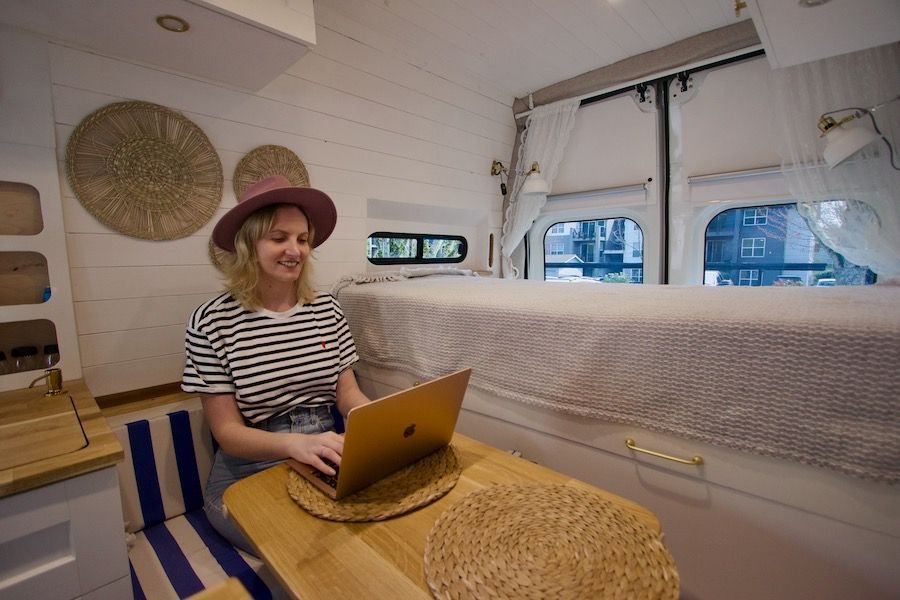
Before I get into the more creative stuff, I want to be honest about where most of my actual income comes from. It’s remote work. Not glamorous, not particularly van-life-specific, just a laptop job I do from wherever I happen to be parked that day.
I do freelance copywriting for a handful of small business clients, mostly things I picked up before I even owned a van. The work itself doesn’t care where I am. What does matter is connectivity, and that’s the part nobody warns you about enough. You can have the best client roster in the world and lose it overnight if you’re parked somewhere with one bar of signal and a deadline in four hours. I went into the connectivity side properly in a piece on what working remotely from a van actually looks like, but the short version is that you need a backup plan for internet, always.
If you’re starting from scratch, customer support roles, virtual assistant work, bookkeeping, and transcription are all genuinely easier to land remotely than people assume, and they don’t require building an audience first. That last part matters more than people give it credit for. Audience-building is slow, and slow doesn’t pay rent, or in our case, doesn’t pay for diesel and propane refills.
2. Seasonal and Gig Work Fills the Gaps Nobody Talks About
And here’s where the actual van life community earns its keep, because seasonal work is something almost everyone I’ve met on the road has done at some point. Campground hosting, harvest work, ski resort seasons, Amazon’s CamperForce program around the holidays. These jobs often come with a free or discounted spot to park, which quietly solves two problems at once: income and a place to legally be.
I did two months of campground hosting in my second year, and honestly, it wasn’t for me long term, the hours were long and the work was physical in ways my freelance brain wasn’t ready for. But it covered three months of expenses in two, which is the kind of math that makes sense when you’re trying to build a buffer.
Here’s a rough breakdown of how these stack up against each other, based on my own experience and conversations with other readers who’ve done the same:
| Income Type | Startup Cost | Time Commitment | Typical Monthly Range | Best For |
|---|---|---|---|---|
| Remote freelance work | Low (laptop, software) | 20-40 hrs/week | $1,500-$4,000+ | People with existing skills or client base |
| Campground hosting/seasonal | None (often provided housing) | 30-40 hrs/week | $1,200-$2,000 + free site | Building a buffer between other income |
| Gig delivery/rideshare in town | Low (insurance check needed) | Flexible | $400-$1,200 | Filling short gaps in populated areas |
| Selling crafts/photography | Medium (materials, equipment) | Variable | $200-$1,000 | Supplemental, not primary, income |
You’ll notice none of these numbers are huge. That’s the honest picture. Most full-time vanlifers I know are combining two or three of these, not relying on one.
3. Selling Skills, Not Stuff, Is Where the Real Flexibility Lives
This is the section where I usually catch myself wanting to oversell things, so let me reframe it properly. Selling physical goods from a van is hard. Storage is limited, shipping requires consistent post office access, and your inventory takes up space you genuinely don’t have to spare.
Selling skills doesn’t have that problem. Photography, web design, social media management for small local businesses, even tutoring over video calls, these all travel with you because they live on your laptop or in your head, not in a bin under the bed.
One thing that trips people up here is the business admin side. If you’re freelancing or running any kind of small operation from the road, you’ll need a stable mailing address for tax documents, business registration, and the occasional cheque that someone insists on posting instead of e-transferring. I covered the mail forwarding services that actually work for this in a separate breakdown on how vanlifers handle mail and ID, and it’s worth sorting out before you need it rather than after.
A few skill-based income ideas that travel well:
- Freelance writing or editing
- Graphic design or photo editing
- Virtual bookkeeping
- Online tutoring or language teaching
- Remote customer support
None of these are exciting to write a blog post about. They’re also the ones most likely to still be paying your bills in a year.
4. Where People Usually Go Wrong With Van Income
I want to be direct about this because I see the same mistake constantly, both in myself early on and in other people starting out. People build out an expensive van first and figure out income second. That order is backwards, and it’s expensive in the worst way, because you end up with debt and pressure to earn before you’ve actually tested whether your income plan works.
I get into the build-cost side of this specifically in why most first-time van builders overspend, but the income version of this mistake looks like quitting a stable job, buying a van, sinking savings into a full conversion, and only then starting to look for remote work. By the time you’re job hunting, you’ve already spent the cushion that was meant to carry you through the slow first months.
The other mistake, and this one’s sneakier, is underestimating how much your monthly costs actually are once you’re on the road. Fuel, propane, laundromats, the occasional paid campsite when free spots aren’t available, it adds up faster than people expect. If you want real figures rather than guesses, the real numbers on monthly van life costs break down what people are actually spending, and it’s a good gut check before you commit to a particular income plan.
5. Building a Buffer Matters More Than the Income Source Itself
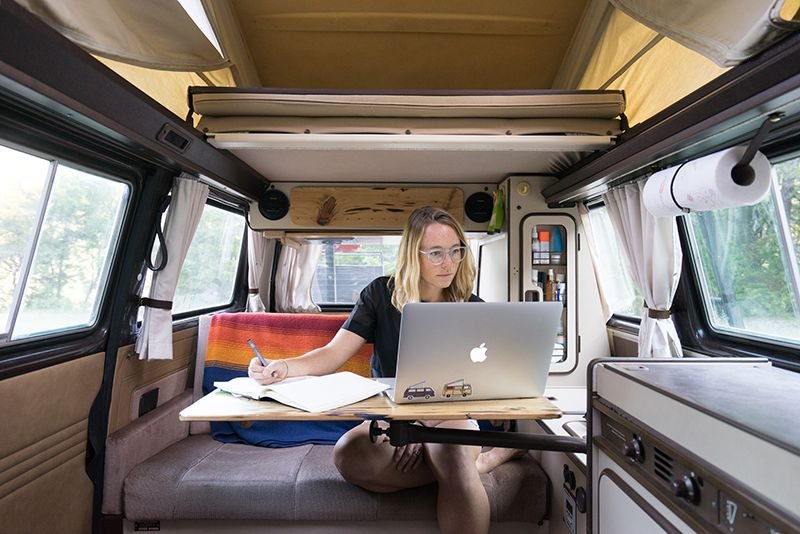
If there’s one thing I’d tell someone before they start, it’s this. The income source matters less than having three months of expenses saved before you go. Income on the road is lumpy. Clients pay late. Seasonal jobs end. Gig work dries up when an area gets oversaturated. A buffer is what keeps a bad month from becoming a crisis.
I learned this one the hard way in my first winter, when a client I’d relied on for two years went quiet for six weeks with no warning. I had savings, barely, and it was enough. Without it, I’d have been picking up whatever gig work I could find in a town I didn’t know, in December, which is not a position you want to be in.
Readers ask me fairly often whether it’s better to have one strong income source or several smaller ones, and after watching a lot of people do both, I’d say several smaller ones win almost every time for stability, even if the total feels less impressive on paper.
This isn’t a passive lifestyle. People sometimes picture van life income as something that just happens in the background while you explore, and it really isn’t, you’re working the same hours you would anywhere else, just with a better view some days and a worse internet connection on others.
There’s no neat way to end this one, honestly. Some months are easy and some aren’t, and the people who stick with van life long term are usually the ones who built in enough slack to absorb the bad ones without panicking. That’s been true for me, anyway. And if you’re weighing up whether any of this makes financial sense compared to a fixed address in the first place, I put together an honest comparison of van life versus renting that’s worth reading before you make the leap.
Frequently Asked Questions
Do I need a special business license to freelance from a van? Generally no, most freelance and remote work doesn’t require a special license tied to your living situation. You’ll still need to register as self-employed or set up an LLC depending on your country and how you’re earning, but that’s the same requirement anyone working from home would have.
How much money should I save before starting van life? Most experienced vanlifers recommend three to six months of expenses as a starting buffer, on top of whatever your van and build cost. Less than that and a slow income month can turn into a real problem fast.
Can I really make a full-time living from a van with no remote skills? It’s harder but not impossible. Seasonal work, gig platforms, and campground hosting can cover basics while you build remote skills on the side, though it usually takes longer to reach a comfortable income this way.
What’s the biggest income mistake new vanlifers make? Spending the build budget before securing income, then trying to find work under pressure with no buffer left. Sort out at least one reliable income stream before committing fully to the build.
Do I need good internet everywhere to make remote income work? You need good internet often, not everywhere. Most successful remote vanlifers plan routes around connectivity for work weeks and treat genuinely remote spots as time off from clients.